
Lieferung heute & morgen

Qualitätsgarantie

Willkommens-Angebote freischalten: KOSTENLOSE Lieferung | Bis zu 80 % RABATT | Kostenlose 30-Tage-JoyPlus-Testphase
App herunterladen
Die-cutting dies for scrapbooking create intricate designs from paper, card or thin craft materials. They are used for DIY card-making, album decoration, gift wrapping and personalised invitations. Choosing one may seem straightforward at first, but a few details determine whether a die is genuinely practical for everyday use.
Terms such as metal dies, cutting stencils and embossing stencils do not, on their own, indicate which machine a product can be used with. Many dies require a manual or electric die-cutting and embossing machine. Before buying, you should therefore check the dimensions, material thickness and machine compatibility.
Not every die is automatically suitable for every type of card. Very fine designs may not cut completely through heavy paper. With multi-layered designs, it is also important to check whether the product is genuinely a set containing several pieces or simply a single metal die.
Flower dies, frame dies and butterfly dies look decorative, but they are not suitable for every card size. A large background design may be impractical on a small greeting card, while a very small number die may hardly be visible in a photo album.
Before ordering, it is worth doing some simple planning:
Paper scraps can become lodged in fine cut-out sections. After use, metal dies should be cleaned carefully and stored somewhere dry. Flat storage helps protect delicate edges from becoming misshapen. The actual service life depends, among other things, on the material, pressure, type of paper, frequency of use and care. A blanket durability statement is not meaningful without specific manufacturer information.
Several listings specifically mention carbon steel in the product name. This material is relevant for cutting dies because it provides a firm, thin edge for creating contours. The term ‘metal’ is more general. If you craft regularly, look for a clear material description and check whether the die is designed for the intended paper thickness.
The dimensions of the die should be compared with your project. Depending on the design, small individual motifs, borders or medium-sized frames may be suitable for card-making. Larger dies can be useful for album decoration and background designs. With number dies and text designs, readability should also be taken into account.
Cutting stencils create a shape by cutting it out. Embossing stencils press a design into the paper without necessarily creating a complete cut-out. Some products combine both functions, while others are designed for just one purpose. The product description should therefore make it clear whether cutting, embossing or both are intended.
For wedding cards, for example, floral frames, lettering designs or understated borders are suitable. A design featuring candles, numbers or greetings can be used for birthday cards and personal occasions. Your choice should be based on the project you have planned, rather than just the attractive preview image.

Why this product suits this profile: The set contains four dies and combines the terms ‘metal’, ‘carbon steel’ and ‘embossing templates’ in its product name. This makes it easier to keep your options manageable when starting out with paper projects.
The number of pieces is stated directly in the name. However, you should still check the dimensions and whether the product is suitable for your existing die-cutting machine before buying.
Four-piece set according to the product name; carbon steel is specifically stated as the material.
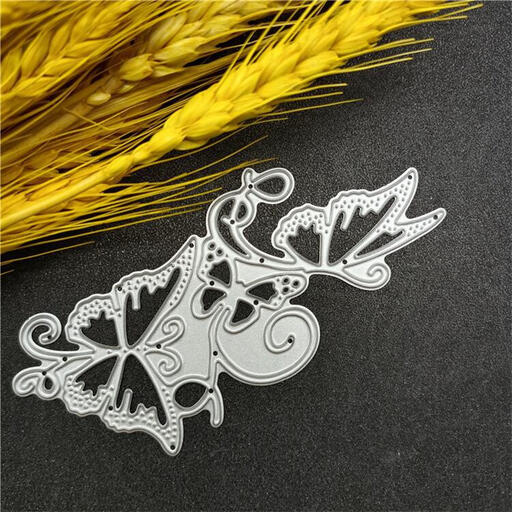
Why this product suits this profile: The product name refers to 3D backgrounds and a frame. This makes it interesting for textured album pages, card surfaces and decorations featuring a recurring background design.
Its intended use as a background and frame die is clear from the name. For precise results, you should still check the machine format, dimensions and paper thickness.
Specified 3D background and frame function; according to the product name, suitable for cards, albums and celebration decorations.
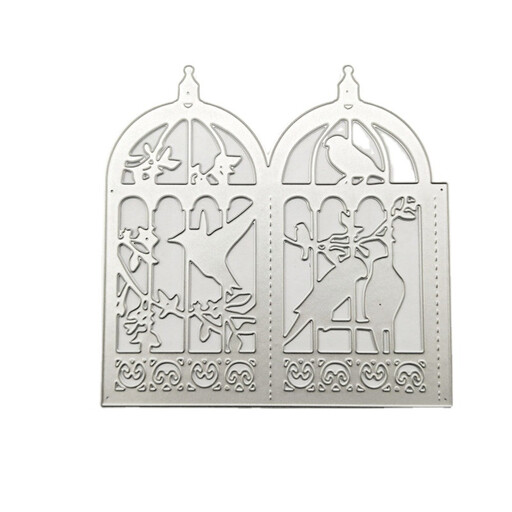
Why this product suits this profile: According to the product name, the design is intended for wedding cards, scrapbook albums and paper cards. It is therefore suitable for recurring invitation or decoration projects.
The stated occasion narrows down its intended use and helps prevent purchases of unsuitable universal designs. Check the dimensions and set contents before ordering.
Occasion-specific description for wedding decorations; according to the title, designed for cutting and embossing.
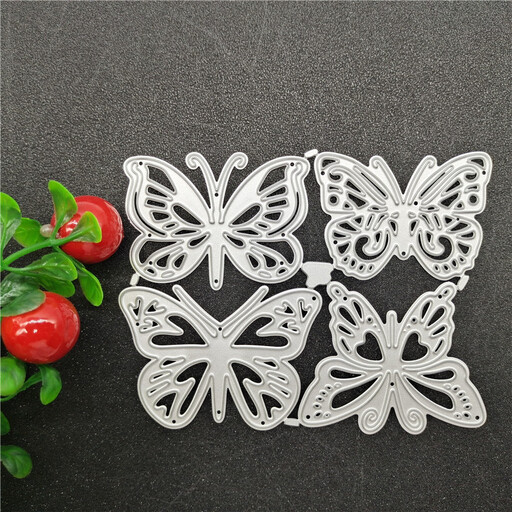
Why this product suits this profile: The product name specifies four butterflies and associates them with cards and album decoration. This suits projects where small individual motifs are combined repeatedly.
The number of designs is clearly stated. This makes it easier to assess whether the set is intended for repeat patterns or individual accents.
Four butterfly designs according to the product name; use for cutting and embossing is specified.
We have put together a complete, regularly updated list of products that fully meet these strict selection criteria and the safety regulations applicable in the EU.
For clean results, the paper should lie flat on the cutting plate. With very fine scrapbooking dies, a thin piece of paper or a suitable shim may help, provided it is compatible with the machine and instructions. After cutting, carefully remove any small paper scraps. Sharp tools should be stored out of the reach of children.
For repeated projects such as wedding cards or invitations, it is advisable to make a test cut first. This allows you to check the paper thickness, design size and positioning before making several cards. Number dies and text designs should also be tested on a scrap piece of paper first.
This depends on the individual die and the type of machine. Manual or electric die-cutting and embossing machines use pressure plates, whose format and thickness must be compatible. Before buying, compare the machine manufacturer’s specifications with the dimensions of the die.
There is no universally suitable paper thickness. Thin scrapbooking paper is generally easier to cut, while heavy card may require greater pressure. For intricate designs, take into account the permitted material thickness for both the die and the machine.
Dies should be stored somewhere dry and flat, separate from loose craft materials. A labelled sleeve or box makes it easier to find flower dies, frame dies and number dies. After use, paper scraps can be removed with a soft brush.