
Lieferung heute & morgen

Qualitätsgarantie

Willkommens-Angebote freischalten: KOSTENLOSE Lieferung | Bis zu 80 % RABATT | Kostenlose 30-Tage-JoyPlus-Testphase
App herunterladen
Metal cutting dies for scrapbooking create precise designs from paper, card and other thin craft materials. They’re used to make personalised greetings cards, photo albums, invitations and decorative paper crafts. Choosing one may seem straightforward at first, but some product details can lead to the wrong purchase.
Not every die is compatible with every machine. The key factors are the size of the die, the machine’s design and the material thickness recommended by the manufacturer. A metal die may look sturdy, but without the right sandwich height or enough pressure, it may not produce a clean cut.
Before you buy, check:
Terms such as “Embossing”, “Stencil” and “Cutting Die” often appear side by side in product listings. That doesn’t necessarily mean a die performs all these functions equally well. Cutting dies cut through the material along a defined outline. Metal embossing folders create a raised design or textured surface. Some products can do both, while others are designed for just one purpose.
If you mainly want to cut out frames, flowers or lettering, look for a clear description as a paper craft cutting die or cutting die. For textured backgrounds, look for embossing elements and embossing dies.
A delicate design can look lovely on a small card, but may be difficult to release from the die when cut from very thin paper. Large, detailed designs also need enough room on your work surface and may require several passes through the machine.
So, check the following:
For metal cutting dies for scrapbooking, a rigid metal construction is important. The die should lie flat on your work surface and show no visible warping. If you craft regularly, neatly finished cutting edges and a clear product description are helpful. However, a description that simply says “metal” doesn’t tell you anything about its exact thickness or how long it will last.
Also check whether the die is described as rust-resistant and how it should be stored. Keeping it dry helps prevent corrosion. Store cutting edges separately from other metal items to protect them.
For card-making dies, smaller designs, labels and frames are handy. For photo album dies, larger backgrounds, floral elements or multi-piece decorations may be more suitable. Frame dies work well for invitations and card fronts, while flower dies are often used as individual accents or repeated patterns.
A useful plan before you buy:
For even results, make sure the paper lies flat and doesn’t slip. With delicate dies for DIY projects, thinner paper may be easier to work with than very thick card. You can also create layered projects by combining different colours.
A die won’t compensate for incorrect machine settings. Too little pressure can leave incomplete cuts, while too much pressure can put extra strain on the material and plates. Follow your machine’s instructions.
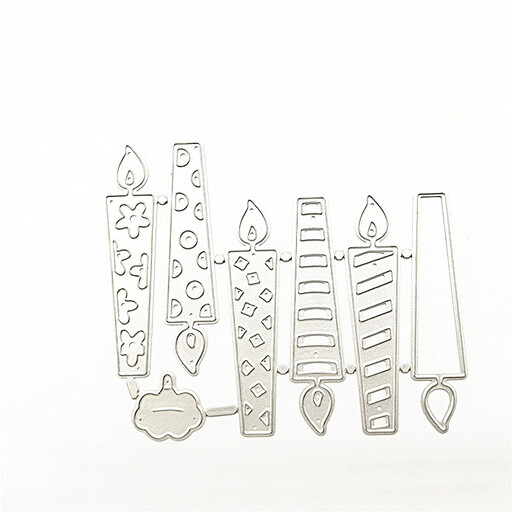
Why this product suits this profile: The easy-to-recognise candle design is made for birthday cards, greetings cards and simple DIY decorations.
The specific design makes it easier to choose and reduces the risk of buying a generic design that’s difficult to use.
Themed candle design; described as suitable for card-making, scrapbooking and embossing.
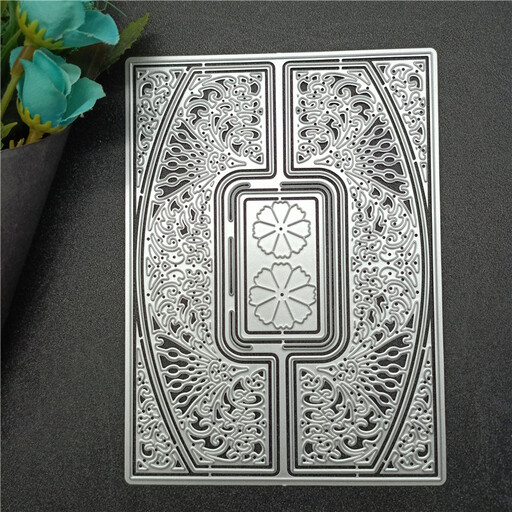
Why this product suits this profile: The floral frame combines a border with decorative details, making it a good choice for layered card designs.
The product name clearly identifies it as a frame. This makes it easier to check that the intended use suits your card size before you buy.
Floral frame design; described as suitable for card-making, paper embossing and scrapbooking.
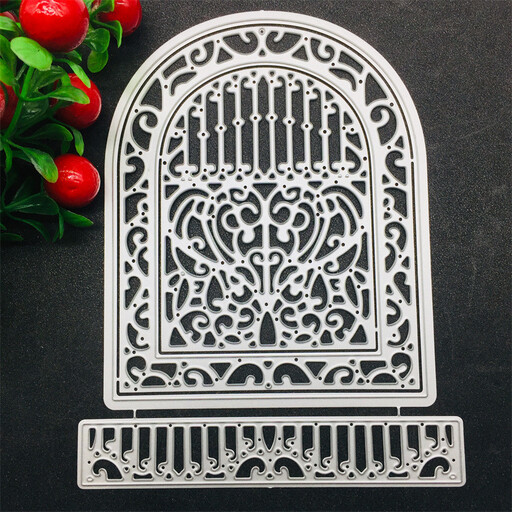
Why this product suits this profile: The door and window frame design is aimed at crafters making invitations, card fronts and decorative photo album pages.
The frame and lace details make the intended decorative style clear, helping you avoid uncertainty when choosing a design.
Window and door frame design; described as suitable for invitations, cards, scrapbooking and photo albums.
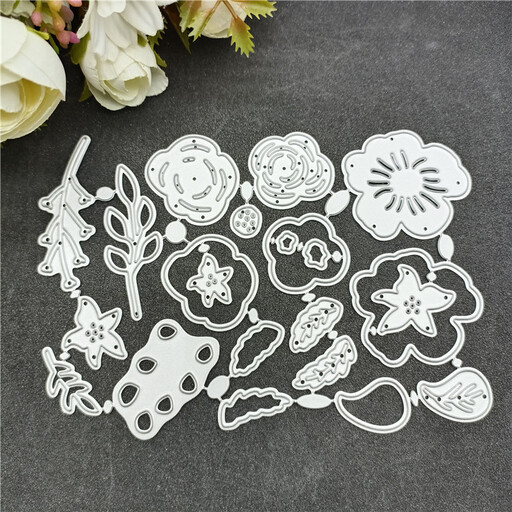
Why this product suits this profile: Combine the flower and leaf elements to decorate cards and album pages, or create repeating floral patterns on paper.
The range of natural elements gives you different ways to decorate, so you don’t have to commit to a single design that may be hard to place.
Flower and leaf designs; described as suitable for card-making, scrapbooking, paper crafts and embossing.
We’ve put together a complete, regularly updated list of products that meet these strict selection criteria and the safety regulations in force in the EU.
After cutting, carefully remove any scraps of paper from the fine openings. Don’t use sharp objects that could damage the die. Store scrapbooking dies in a dry place and, where possible, keep them separate from one another. For embossing dies, make sure the surface stays free from glue residue and paper fibres.
It depends on the die and the die-cutting machine. Thin scrapbooking paper is usually easier to cut. Sturdier card is often suitable for cards, provided your machine and die are designed for it. Always check the details in the product listing and your machine’s instructions.
No. The size, height and pressure required can vary. Before you buy, check your machine’s technical specifications and compare them with the die’s dimensions.
There’s no set lifespan. It depends on the material, paper thickness, frequency of use, pressure settings and storage. Keeping dies dry, using suitable materials and setting up the plates correctly can help them last longer.