
Lieferung heute & morgen

Qualitätsgarantie

Willkommens-Angebote freischalten: KOSTENLOSE Lieferung | Bis zu 80 % RABATT | Kostenlose 30-Tage-JoyPlus-Testphase
App herunterladen
Scrapbooking dies help you cut or emboss paper, card and decorative elements evenly. Whether you’re making a photo album, a greeting card or festive paper decorations, the right die saves time and gives you consistent results. However, products can vary considerably in their material details, design size and compatibility.
Before buying, don’t just look at the product photos. Check whether the metal die is compatible with your existing die-cutting machine, what paper weights it can handle, and whether the set contains dies only or also includes embossing folders or accessories.
Many product photos show finished cards or albums. This doesn’t necessarily mean that paper, adhesive, stamps or a cutting plate are included. Some products are explicitly supplied as cutting dies only. For example, the description ‘Only Cutting Dies’ indicates that no additional stamps are included.
Before buying, check:
The term ‘metal dies for scrapbooking’ describes the construction, but little else. Many listings don’t specify the type or thickness of metal, or whether it has a surface treatment. A thin die may be suitable for delicate paper designs, while thicker materials may require a die-cutting machine designed for them and several passes.
The most reliable information is what’s stated in the product listing. If the material thickness or recommended paper types aren’t specified, check with the retailer before buying.
Dies cut out shapes. Embossing folders, on the other hand, create a raised or indented texture without cutting all the way through the paper. Some products combine both functions, while others are designed for cutting only. So, if you want to create a raised design on a card front, look specifically for an embossing function.
Not every die works with every machine. Check the following:
Small flower dies, butterfly dies and individual letters are handy for standard-sized greeting cards. Larger background designs are better suited to album pages or card fronts. Measure the available space and compare it with the product dimensions. When decorating a DIY photo album, remember to leave enough room for photos and captions.
Fine cut-outs can leave scraps of paper behind. This is particularly common with delicate lettering, leaves and frames. Paper that releases easily and a small embossing tool can make it easier to remove the scraps. If you craft regularly, try different paper weights and gradually adjust the combination of paper, plates and pressure you use.
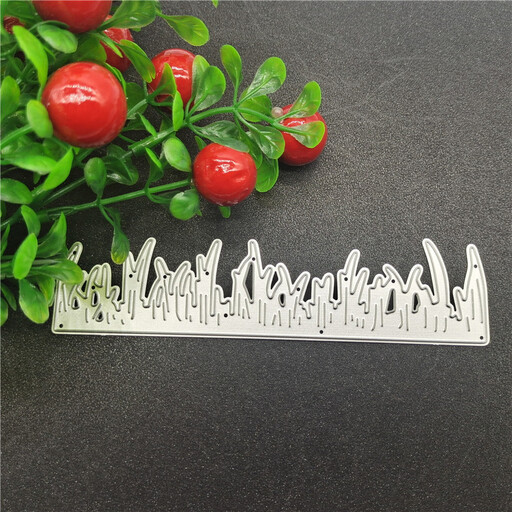
Why this product suits this profile: This single grass-edge design is ideal for adding a natural touch to cards, albums and paper decorations, making it a manageable introduction to die-cutting.
The clearly named design makes it less likely you’ll buy a heavily illustrated set with extra parts you don’t need. Still, check what’s included and the dimensions before buying.
Grass-edge design for nature-themed projects; intended for scrapbooking, cards and photo album decoration.
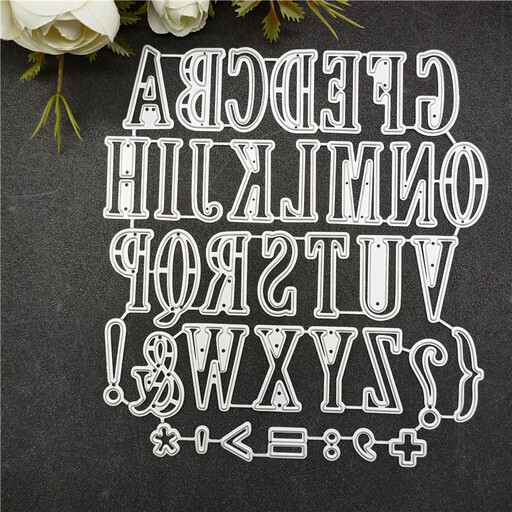
Why this product suits this profile: The set includes 26 capital letters, giving you a clearly defined selection for names, titles, initials and short captions.
The number of letters included is clearly stated. Before buying, check the font size, dimensions and compatibility with your machine.
26 capital letters; intended for scrapbooking, card making, paper crafts and album captions.
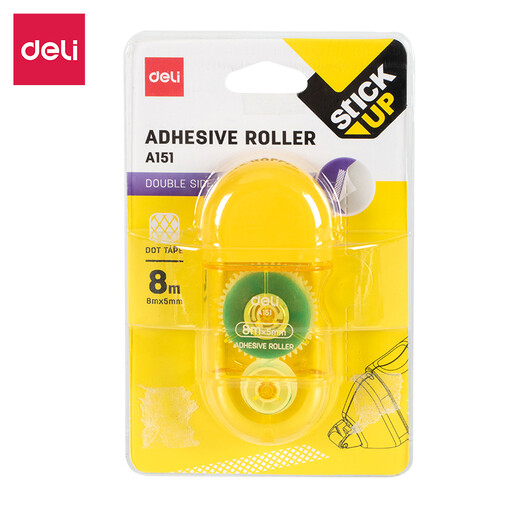
Why this product suits this profile: This set of four glue rollers, each with 8 m of tape, is a useful addition for cards, journals, photo albums and scrapbook pages.
The tape length is stated and the pack contains four rollers. Before ordering, check the tape width, adhesive strength and whether the tape can be replaced.
Four rollers in the set; 8 m of adhesive tape per roller; suitable for paper crafts and photo album decoration.
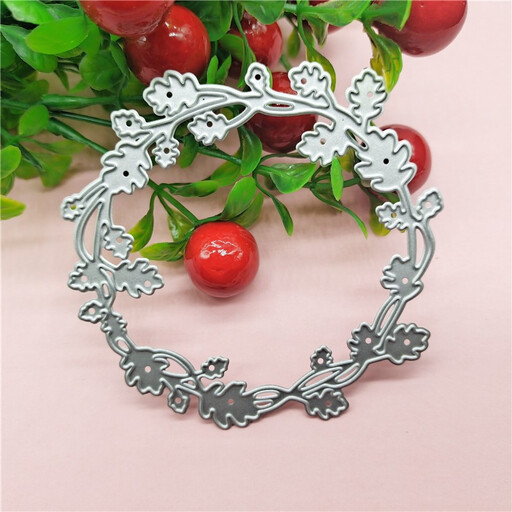
Why this product suits this profile: The wreath design is ideal for Christmas scrapbook pages, greeting cards and festive paper decorations.
The design is clearly identified by its theme. You may need separate dies for other holidays and celebrations.
Christmas-themed wreath design; intended for cards, photo albums and decorative paper crafts.
As well as dies for card making, a few extra accessories can make your crafting easier. A glue roller applies adhesive tape precisely or across a wider area, without liquid glue seeping out from beneath thin layers of paper. Depending on your machine, you’ll need suitable plates and a pressure plate for embossing folders.
A useful basic kit includes:
Store your dies somewhere dry and avoid leaving them loose among heavy objects. This helps protect their fine edges. If product details are unclear, check the material, dimensions and compatibility on the relevant product page before buying.
We’ve put together a complete, regularly updated list of products that meet these strict selection criteria and fully comply with the safety regulations in force in the EU.
For beginners, choose clear, simple designs that aren’t too intricate, such as flowers, leaves, grass edges or individual letters. They’re easier to position and remove paper scraps from. Make sure the die is compatible with your machine and check the recommended paper weight.
How long they last depends on the material, build quality, pressure setting, paper and care. Use a die only as recommended by the manufacturer and avoid materials that are too thick. Remove any paper scraps after use and store the dies somewhere dry.
Ongoing costs mainly include paper, adhesive and, where necessary, machine parts that wear out. A metal die can be used for many projects. With an alphabet die set or versatile basic designs, the initial cost can be spread across different cards and album pages.