
Lieferung heute & morgen

Qualitätsgarantie

Willkommens-Angebote freischalten: KOSTENLOSE Lieferung | Bis zu 80 % RABATT | Kostenlose 30-Tage-JoyPlus-Testphase
App herunterladen
Scrapbooking dies are ideal for cards, photo albums, invitations and many other paper projects. However, not every metal die is compatible with every die-cutting machine or every craft project. A delicate lace border die might be perfect for a wedding card, whereas a geometric border die suits modern layouts better.
Before buying, crafters should look beyond just the design image. What really matters includes compatibility with your existing machine, the size of the die, and the intended use.
Metal dies are typically used with a manual or electric die-cutting and embossing machine. The product alone won't cut anything. Before ordering, you should check:
If the product description doesn't list specific machines, it's worth checking your device's manual. The product names of the items featured here indicate metal dies or stencils; you should verify specific compatibility details before purchasing.
In product photos, borders often look larger than they actually are. A photo album, an A6 card or an invitation each have different requirements. So pay attention to:
If dimensions or material thickness are missing from the description, factor that into your buying decision. For regular card making, a longer border die can be more practical, while compact motifs are sufficient for small tags or individual decorations.
Cutting dies cut out paper shapes. Embossing folders or embossing tools, on the other hand, create a raised or recessed texture without necessarily cutting the motif out completely. Some metal dies can support both functions depending on their construction and machine accessories, but this isn't automatic.
For paper crafting with thin decorative paper, a cutting function is usually enough. With thick cardstock, multiple paper layers or heavily embellished patterns, you should check the intended material thickness. Information about suitability for card, foil or fabric is only reliable if it's explicitly stated in the product description.
The dies on offer are described as metal dies, metal die cuts or cutting stencils. Carbon steel is explicitly mentioned in several product names. However, the material alone doesn't guarantee a specific cutting quality. More important are a consistent cutting edge, a stable shape and smooth interaction with your die-cutting machine.
With very small cut-outs, paper can get stuck in the die. Thin, suitable paper, the correct pressure setting, and possibly wax paper or a special tool can help release it. These extra steps are part of practical use and aren't a sign of a product defect.
Your choice should match the project:
For DIY scrapbooking, it's a good idea to choose a die not just by its motif but also by how easily it can be repeated. A pattern that lines up neatly can save time across multiple pages or invitation cards.
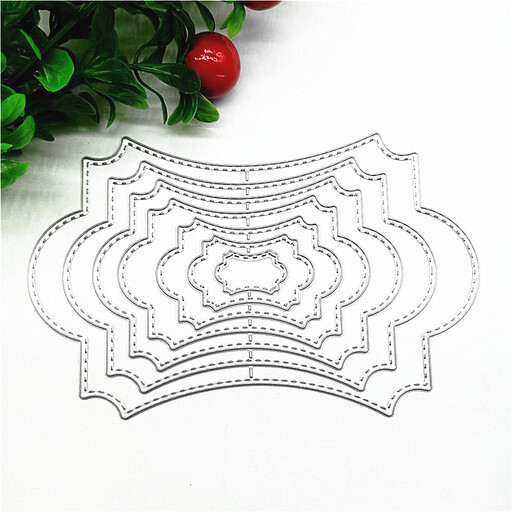
Why this product fits the profile: The geometric polygon motif offers a clear starting point for working with border dies and can be used for albums, card edges or practice projects.
The clearly recognisable geometric motif makes it easier to assess the design. Machine size and accessories should still be checked before ordering.
Polygonal edge motif; described as a metal cutting die for scrapbooking and album design.
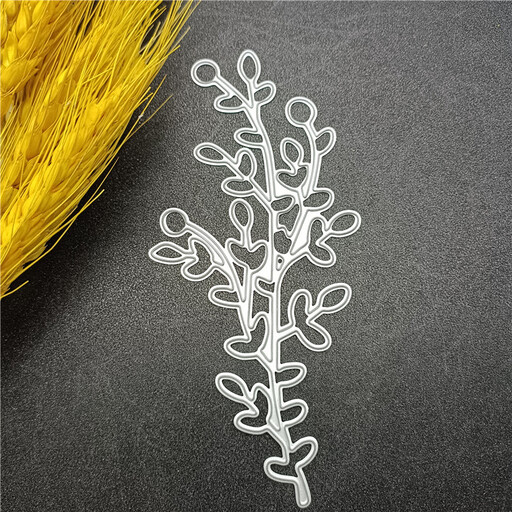
Why this product fits the profile: The product name mentions carbon steel and a floral lace border motif. This appeals to users who actively compare material details and a detailed design.
The material description is more specific than a simple motif description. Details on dimensions, machine compatibility and suitable paper thicknesses should still be checked before purchase.
Carbon steel according to product name; floral lace border motif for cards, paper crafts and scrapbooking.
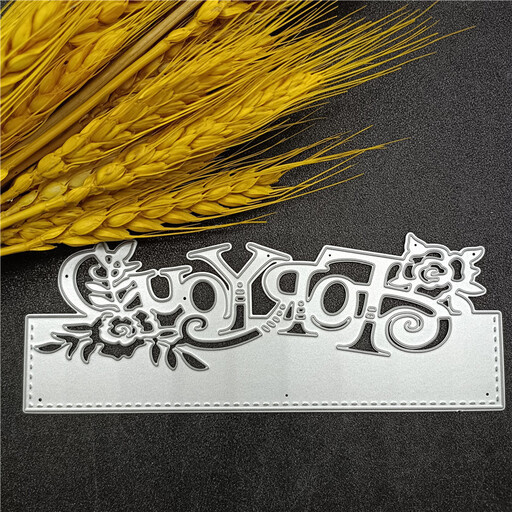
Why this product fits the profile: The floral lace motif is aimed at decorative paper projects such as invitations, cards and wedding cards.
The stated intended use clearly defines the motif. For batch production, you should do a test cut with your cardstock beforehand.
Floral lace edge according to product name; intended for DIY scrapbooking, decorative invitations and card making.
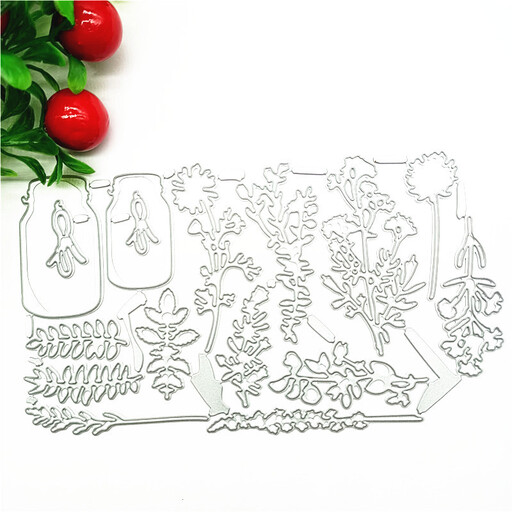
Why this product fits the profile: The name combines border cutting, scrapbooking, photo album design and decorative embossing. This makes the die suitable for users with varied paper projects.
The product name mentions several applications, but this doesn't replace checking the actual embossing and cutting compatibility with your machine.
Border motif; according to product name, intended for cards, photo albums, scrapbooking and decorative embossing.
We've put together a complete, regularly updated list of products that fully meet these strict selection criteria and the safety regulations in force in the EU.
For even cuts in paper crafting, a few simple preparations help:
You'll usually need a compatible die-cutting and embossing machine with suitable cutting plates. The exact sandwich arrangement depends on the device and the die. So check your machine's manufacturer instructions and the product description of the metal die you want.
For wedding cards, floral motifs, lace borders and flower dies are often a good fit. However, what matters most is the card size, paper thickness and the desired position of the edge motif. A lace border die should be tested with the actual cardstock you plan to use before making a batch.
The lifespan depends on factors including the material, cutting edge, paper thickness, pressure setting and care. Thin paper and a correctly adjusted machine can reduce wear. Without specific information from the manufacturer, it's not possible to give a reliable general lifespan.