
Lieferung heute & morgen

Qualitätsgarantie

Willkommens-Angebote freischalten: KOSTENLOSE Lieferung | Bis zu 80 % RABATT | Kostenlose 30-Tage-JoyPlus-Testphase
App herunterladen
Whether you’re cutting cardboard, fabric, leather, felt, foam or cable, cutting tools for DIY and crafts need to suit both the material and the type of cut you plan to make. A handy utility knife is enough for packaging and paper, while an electric rotary cutter takes less effort for long cuts in fabric or felt. For scrapbooking and card making, metal dies and embossing folders are often a better choice.
Choosing a tool may seem straightforward at first. But unclear material specifications, missing accessories or safety features that aren’t adequate for everyday use can easily lead to the wrong purchase.
A multi-purpose cutter can handle several soft materials, but that doesn’t automatically mean it’s suitable for thick leather, hard plastic, metal or steel cable. Check the maximum material thickness specified and the stated applications. A tool with a capacity of up to 8 mm may be suitable for cardboard, felt or thin carpet; its actual suitability also depends on the material’s density and flexibility, and how you guide the cut.
A cable cutter, on the other hand, is designed for specific conductor cross-sections. According to the product description, the WORKPRO model is intended for copper and aluminium cables up to 33.6 mm², but not for steel wire, brake cables or piano wire.
With utility knives, it’s not just the number of blades that matters. Check the blade width, fitting and availability of replacements, too. A 9 mm utility knife and an 18 mm utility knife aren’t designed for the same demands. A narrow blade is easy to control for fine paper projects, while cardboard and packaging may call for a wider model.
Also check whether spare blades are included and how to change them. A blade lock and a fully retractable blade help reduce the risk of injury during transport and storage.
For a cordless electric cutter, battery capacity, charging time and run time all matter. However, run time depends on the material, the pressure applied and the length of the cut. Figures such as ‘up to 60 minutes’ or ‘up to 90 minutes’ don’t guarantee a set amount of working time for every project.
Useful features include a USB-C charging port, charge indicator, safety lock and guard. If you’ll be using the tool frequently, also check the availability of spare blades and a compatible charger.
Start by identifying the material you’ll work with most often:
A hot-wire cutter uses heated wire or a heated cutting tip. It isn’t the same as an ordinary knife. Follow the manufacturer’s instructions on temperature, ventilation and material compatibility.
A non-slip handle made from ABS and TPR can make repeated cuts easier to manage. The handle size, tool weight and position of the safety mechanism are also important. For longer jobs, a clearly visible cutting line, a stable surface and a controlled feed rate matter more than motor power alone.
The package may include spare blades, protective covers, attachments, brushes or a stand. Check that the accessories are actually suitable for the project you have in mind. Keep cutting edges clean and dry. Replace blunt or damaged blades, and dispose of used blades in a puncture-resistant container.
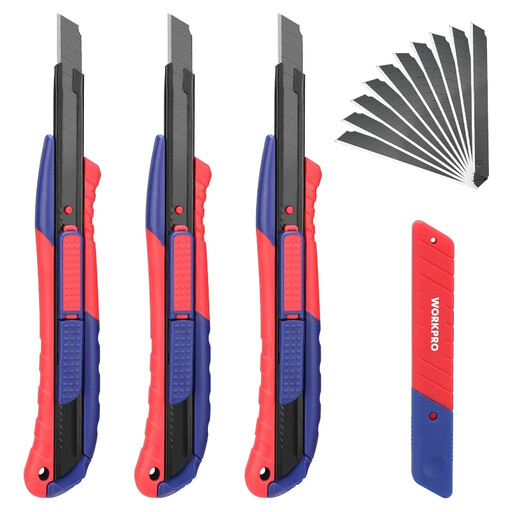
Why this product suits this profile: This set covers everyday tasks such as cutting cardboard, opening parcels and simple craft projects. The 9 mm blades are a common size for light cutting jobs.
The product details list 10 SK5 replacement blades and compatibility with standard blades, making it easier to plan for future replacements.
ABS and TPR handle, 170 g weight and 9 mm SK5 blades, according to the product details.
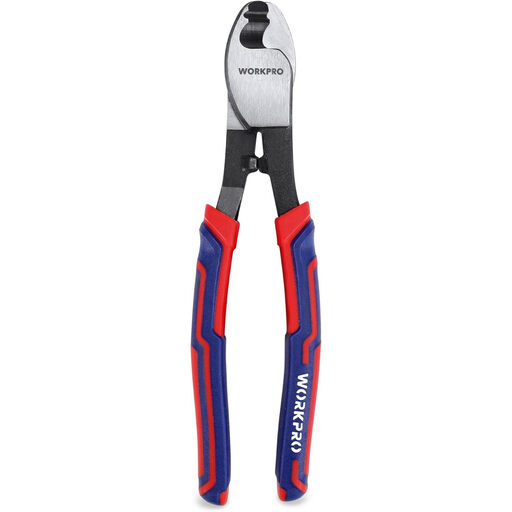
Why this product suits this profile: For electricians, workshop users and DIYers, a clear conductor cross-section rating is more useful than a general description such as ‘multi-purpose cutter’.
The product description clearly states its limits: it’s suitable for copper and aluminium up to 33.6 mm², but not for steel or piano wire.
210 mm length, TPR handle and chromium-vanadium steel cutting edges, according to the product details.
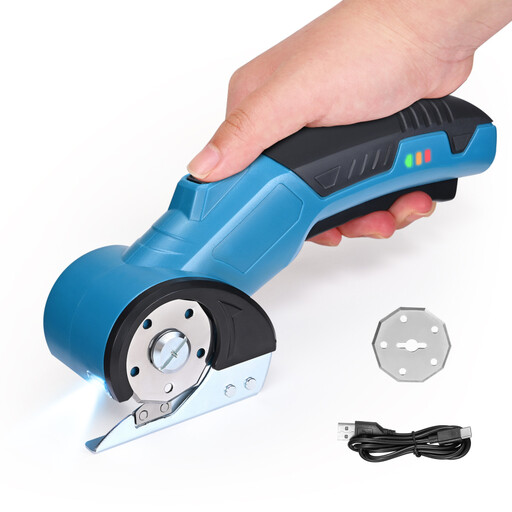
Why this product suits this profile: For sewists, designers, packaging users and DIY enthusiasts who regularly cut fabric, leather, felt or cardboard, a battery-powered tool offers an alternative to manual scissors.
A guard, safety lock, LED light and stated maximum cutting thickness of 8 mm make the key practical details clear.
1500 mAh battery, USB-C charging, up to 60 minutes’ run time according to the product description, plus an additional blade.
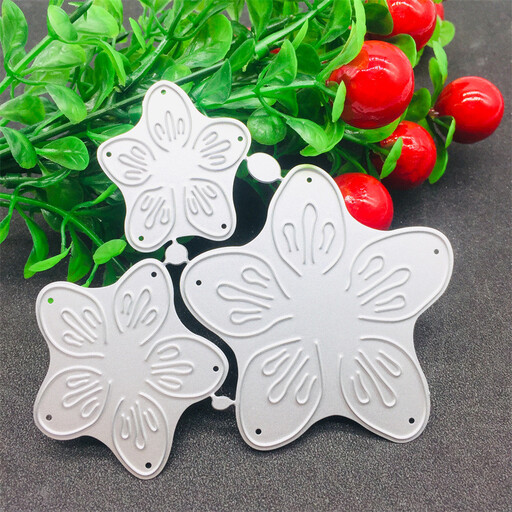
Why this product suits this profile: Flower-shaped metal dies are ideal for paper cards, albums and decorative scrapbooking projects, as long as you have a compatible die-cutting machine.
Before buying, check that the size, design and compatibility with your die-cutting machine suit the equipment you already have.
Flower design for decorating cards and albums; described as a metal die.
We’ve put together a comprehensive, regularly updated list of products that meet these strict selection criteria and fully comply with the safety regulations in force in the EU.
A utility knife with a suitable blade width and a secure lock is often enough for thin to medium-weight cardboard. An electric rotary cutter may be a good choice if you need to make frequent or long cuts. Before buying, compare the maximum material thickness and blade type with the cardboard you’ll be cutting.
Blade life depends on the material, cut length, pressure and dirt. Cardboard with a high recycled fibre content can blunt blades faster than thin paper. Replace the blade as soon as you need to apply more pressure or the cut starts to fray. This gives you better control and can help reduce the risk of slipping.
Some models are advertised for use with leather. However, their suitability depends on the stated material thickness, blade shape and the actual firmness of the leather. Check these details before buying, and try a test cut on a scrap piece first.