
Lieferung heute & morgen

Qualitätsgarantie

Willkommens-Angebote freischalten: KOSTENLOSE Lieferung | Bis zu 80 % RABATT | Kostenlose 30-Tage-JoyPlus-Testphase
App herunterladen
Scrapbooking brings together photos, paper, lettering and decorative details to create personal albums, cards or journal pages. When you’re looking for scrapbooking supplies, the choice can seem straightforward at first. In practice, though, products vary considerably in their materials, ease of use and intended purpose.
Three common shopping pitfalls are especially likely to lead to the wrong purchase:
For journalling, card making and paper crafts, choose ink that suits the paper’s weight and finish. Water-based inks can often be blended together, but they may show through very thin paper or cause it to warp slightly. A fine fineliner tip is ideal for lettering, while a flexible brush tip lets you create broader strokes and shading.
Pens labelled acid-free are intended for archival projects. This applies to the ink or material, but doesn’t replace checking that the paper itself is suitable. If you want to preserve photos for the long term, also look for acid-free, archive-safe backing materials.
Glue rollers, photo corners and liquid craft glue offer different ways to attach photos, layers of paper and embellishments:
A fine applicator tip helps you use glue sparingly. With glitter glue, also check whether it’s solvent-free and suitable for the surface you plan to use it on.
Paper dies are usually made of metal and create outlines, frames or decorative shapes. Before buying, check three things:
Simple designs such as stars, leaves or lettering are versatile for making batches of cards. For more detailed dies, check the design’s lines and the paper weight you plan to use.
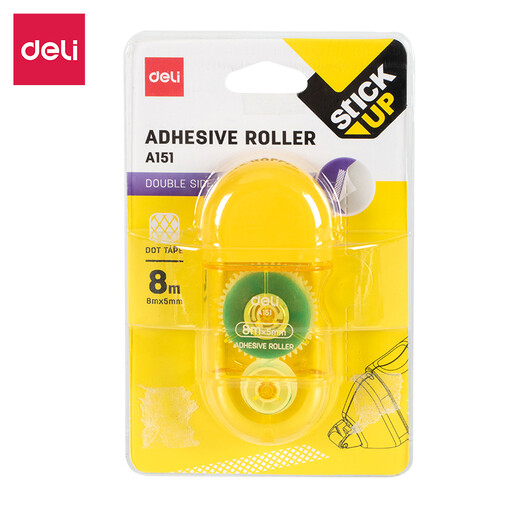
Why it suits this profile: Four glue rollers, each with 8 m of tape, cover the basics for card making, journalling and photo albums.
The roller gives you control over the application, helping to prevent glue blobs and visible glue marks.
Four double-sided glue rollers, each with 8 m of tape, according to the product description.
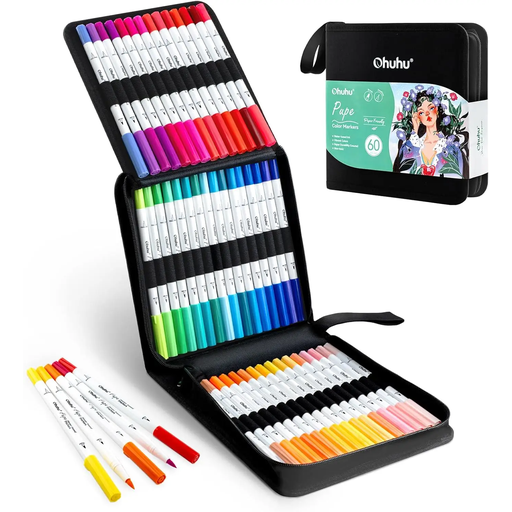
Why it suits this profile: The combination of a 0.4-mm fineliner tip and a 1–5-mm brush tip works well for precise lettering and larger areas of colour.
The two tips mean you won’t need to buy separate pens for fine lines and broader strokes. The product information describes the ink as water-based and acid-free.
60 pens, including 59 colours and a colourless blender, with a storage case and an ASTM-D-4236 statement according to the product description.
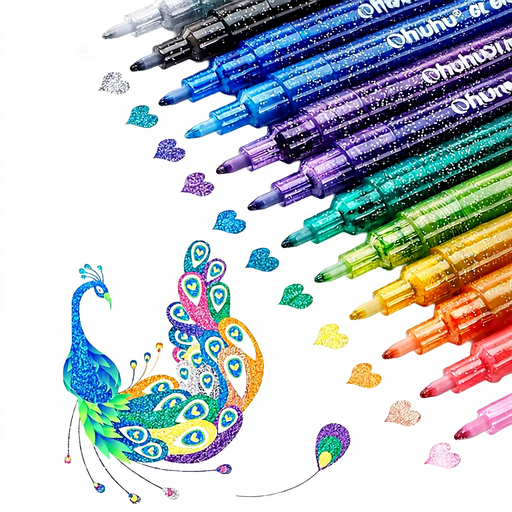
Why it suits this profile: The white gel pens have a 0.8-mm tip and are designed for use on dark paper and black card, as well as for adding fine highlights.
Designed for a specific purpose, these pens help you avoid choosing a general-purpose pen for low-contrast surfaces. According to the product information, the cap has a seal to prevent the ink from drying out.
12 gel pens with 0.8-mm metal tips and water-based metallic gel ink, according to the product description.
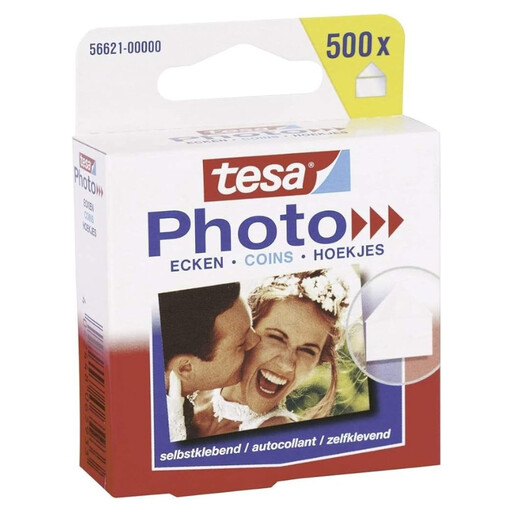
Why it suits this profile: These photo corners are ideal if you want to attach pictures to an album and take them out again when needed.
The photo is attached at the corners rather than covered with a layer of glue, so it remains accessible.
500 self-adhesive photo corners, solvent-free according to the product description, supplied in a cardboard dispenser.
We’ve put together a complete, regularly updated list of products that meet these strict selection criteria and the safety regulations in force in the EU.
Add dies and decorations to create a variety of DIY gift ideas. According to its product name, the Metal Die Cuts Wedding Cutting Dies set is suitable for wedding designs, cards and album decorations. The Candles Die Cut for Card Making set is a good choice for birthday and greetings cards.
Glitter glue can also add a little sparkle. According to the product information, UHU Glitter Glue Young Creative comes in six tubes, each containing 10 ml, and has a fine applicator tip. When using it, consider the surface, drying time and how much glue to apply. Don’t use glitter glue on anything that will later come into direct contact with food or delicate fabrics.
If you’re looking for an album that holds up to 80 standard-size photos, consider the Atmosphera Sky photo album, measuring 18.5 × 13 × 8.8 cm. Before buying, check that it suits your photo size and preferred way of attaching pictures.
A useful starter kit includes sturdy craft paper, scissors, a ruler, a glue roller or photo corners, fineliners or brush pens, and a few decorative items. Dies are worth considering if you have a compatible die-cutting machine. A large set isn’t automatically the right choice if it’s missing essential tools.
It depends on the material and how it’s stored. Put pen caps back on securely after each use, and store pens horizontally in a dry place away from direct sunlight where possible. Avoid exposing glue rollers and glitter glue to high temperatures for extended periods. Paper and photo albums are less likely to warp if stored somewhere dry and out of the light.
The cost depends on the size of your project and the materials you choose. To get started, you’ll need paper, a set of pens, adhesive and a few decorations. If you make cards regularly or create several albums, compare larger packs of consumables such as glue rollers, photo corners and paper. What matters is the cost per usable item or per metre of tape, not just the price of the pack.