
Lieferung heute & morgen

Qualitätsgarantie

Willkommens-Angebote freischalten: KOSTENLOSE Lieferung | Bis zu 80 % RABATT | Kostenlose 30-Tage-JoyPlus-Testphase
App herunterladen
Creating a personal scrapbook or a handmade card is a joyful, creative process. But the disappointment is immense when the result doesn't meet expectations because the materials fail. Inferior scrapbooking supplies often lead to frustration: photos turn yellow, embellishments come loose, and intricate cuts go wrong. Before you invest in new craft supplies, it's helpful to know the common pitfalls to avoid making a poor investment.
Many craft products look promising at first glance but only reveal their weaknesses in practice. Two problems are particularly common:
To ensure your creative works bring joy for years to come, you should pay attention to some fundamental technical properties. These parameters are more critical than any marketing message.
The durability and functionality of a cutting die depend directly on the material. Look for dies made of carbon steel. This material offers the necessary hardness and stability to ensure precise cuts, even with intricate designs and frequent use, without bending. Embossing folders, which create three-dimensional effects, should also be made from robust material to guarantee even pressure. A good die delivers clean edges and releases easily from the die-cut paper.
For card making and scrapbooking, the choice of adhesive is crucial. The key term here is acid-free. Acid-free adhesives are chemically neutral and do not attack paper fibres or photo emulsions.
For pens used in DIY crafting, especially brush pens for calligraphy or colouring, the type of ink is critical for the longevity of the colours.
For lettering and drawings that are meant to last, pigment-based ink is the more reliable choice.
Based on these objective criteria, we have compiled a selection of products suitable for different creative projects.
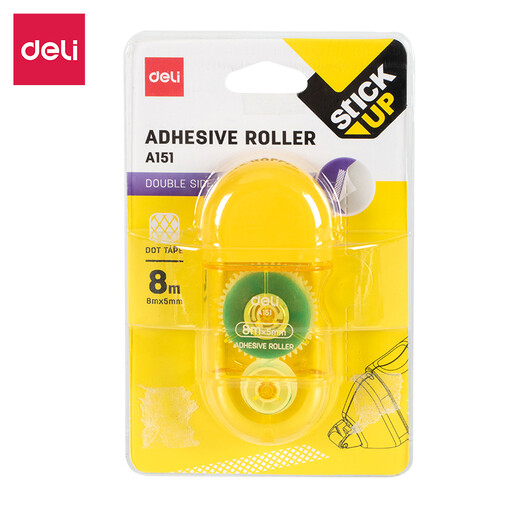
Why this product is a good fit: Ideal for beginners looking for a clean, fast, and straightforward solution for basic assembly of paper and light decorations. The multi-pack ensures there is enough material for several projects.
A glue roller prevents the use of unsuitable liquid adhesives that can warp paper or damage photos with acid. The application is controlled and clean.
Ready to use instantly, with precise adhesive application, no drying time, and no smudging. Ideal for efficient work.
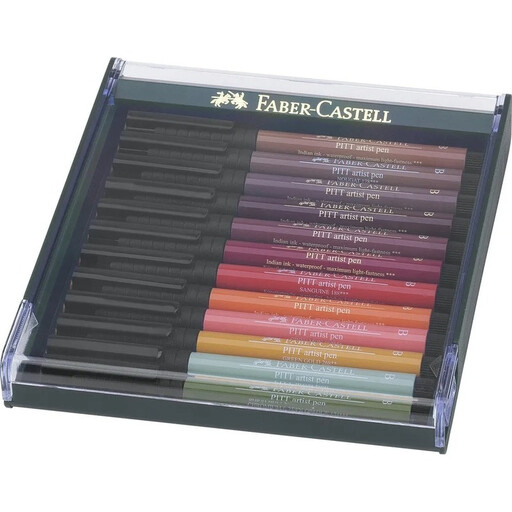
Why this product is a good fit: For creatives who value professional results and colour stability in their illustrations, hand lettering, and colouring. The harmonious earth tones are suitable for a wide variety of subjects.
The highly pigmented, lightfast drawing ink prevents colours from fading and bleeding through the paper—problems often found with cheaper felt-tip and brush pens.
The flexible brush tip allows for variable stroke widths, from fine to broad. The ink is waterproof and permanent after drying, enabling combinations with other techniques.
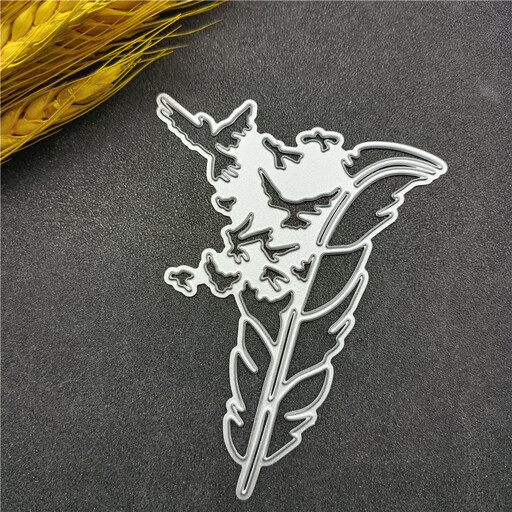
Why this product is a good fit: Perfect for crafters who want to add a special touch to their cards and albums with detailed, floral elements. The intricate designs are excellent for layered projects.
Made from steel, these dies provide the necessary stability and sharpness to cleanly cut even fine structures, instead of fraying at the edges as is often the case with lower-quality dies.
The versatility of the designs allows for decorating albums, cards, and other paper projects. They are compatible with most common die-cutting machines.
We have compiled a complete, up-to-date list of products that fully meet these strict selection criteria and applicable regulations.
Cutting dies are designed to completely cut shapes and motifs out of paper or other materials. They have sharp edges. Embossing folders, on the other hand, do not cut the material but rather deform it to create a raised, three-dimensional pattern. There are also combined stamps and dies that first stamp a design and then cut it out precisely.
To ensure their longevity, cutting dies should be stored flat and dry to prevent bending. Magnetic sheets or special storage pockets are well-suited for this. Clear stamps should be protected from direct sunlight, as UV light can cause the material to yellow and become brittle. Clean stamps after use with a special stamp cleaner or mild soapy water.
Use only adhesives that are labelled as acid-free and archival-safe. Glue rollers and photo corners are an excellent choice as they do not bring photos into direct contact with liquid chemicals and allow for a clean, warp-free bond. Always check the manufacturer's specifications for each adhesive product regarding its suitability for photos.