
Lieferung heute & morgen

Qualitätsgarantie

Willkommens-Angebote freischalten: KOSTENLOSE Lieferung | Bis zu 80 % RABATT | Kostenlose 30-Tage-JoyPlus-Testphase
App herunterladen
Scrapbooking craft supplies should support creative projects, rather than ending up unused in a drawer after just a few uses. With metal dies for scrapbooking, paper cutting dies and other cutting stencils in particular, poor purchases are often caused not by the design, but by missing information about compatibility, size or accessories.
Whether you are making cards, decorating a photo album or creating paper art as a DIY project, there are several points to check before buying. The product name alone does not always indicate whether a die is compatible with your machine, suitable for the paper thickness or right for your planned project.
Metal dies generally do not guide themselves through the paper. They require a suitable manual or electric die-cutting and embossing machine, as well as compatible cutting plates. However, product listings often do not clearly explain which machine size or plate system is required.
Check the following before buying:
A delicate design may look generously sized in the product image, yet turn out to be relatively small in practice. A compact shape may be sufficient for a greeting card, while a photo album or large folded card may require a different size.
Pay attention to the outer dimensions, inner cut-out and individual pieces. With frame designs, it is also important to know whether they create only a border, a complete frame or several separate elements.
The terms embossing stencils, cutting stencils and dies are sometimes used alongside one another. A cutting die separates paper along a particular outline. An embossing die, on the other hand, creates a raised or recessed pattern. Some products can support both functions, provided that the machine and setup are suitable.
The product description should therefore clarify whether the item is intended for:
For metal dies for scrapbooking, the material specification is a useful point of reference. The models listed are described as metal or carbon steel dies. This indicates that they are intended for use as cutting dies; however, it does not guarantee a specific service life.
Intricate designs such as lace borders, flowers or branches require care when releasing the cut piece. Very small inner sections can be more difficult to remove from thin or fibrous paper. For beginners, larger designs with clearly defined sections are often easier to handle.
Not all paper behaves in the same way. Thin design paper cuts differently from card, kraft paper or multi-layered paper. When making cards or decorating photo albums, you should follow the recommended paper thickness for both the machine and the die.
A test cut using a scrap piece is useful. This allows you to check whether:
For albums intended to be kept for a long time, acid-free paper may be a sensible choice. This property should be expressly stated in the paper’s product details and should not be inferred from the die alone.
Scrapbooking accessories include more than just dies. You may also need a cutting mat, embossing mat, replacement plates, paper, adhesive and tools for releasing small paper scraps. A glue roller can apply an even adhesive layer to cards and photo albums, but it does not replace checking whether the adhesive is suitable for photographs or archival materials.
You should also ensure that the items can be stored safely. Small metal dies should be kept dry and stored in a way that prevents the cutting edges from being damaged.
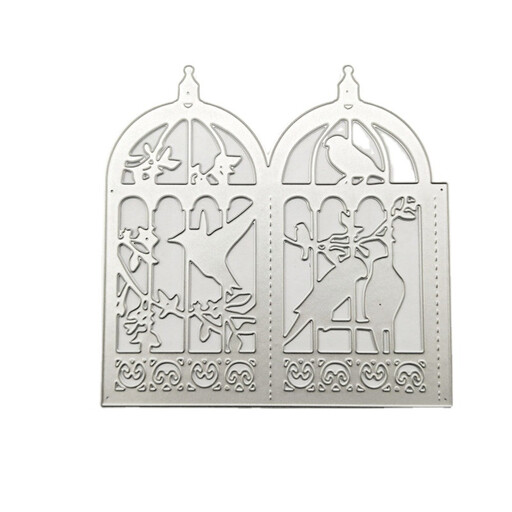
Why this product suits the profile: The wedding design is ideal for users who want to create cards, memory pages or photo album decorations for a clearly defined occasion.
The name explicitly mentions cutting and embossing. Even so, you should check the machine, dimensions and package contents separately before buying.
Metal die with a wedding design; intended for paper cards, scrapbook albums and decorative embossing projects.
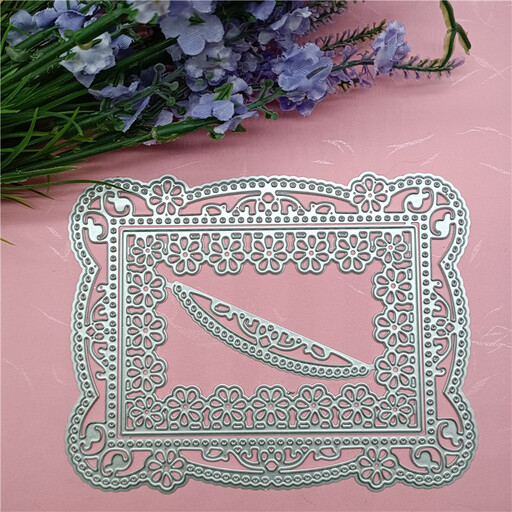
Why this product suits the profile: Frame designs are suitable for structured page layouts, card borders and framing pictures or text.
The frame description makes it easier to identify the intended use. The actual outer and inner dimensions remain crucial.
Metal frame design; suitable for DIY scrapbooking, card-making and decorative paper projects.
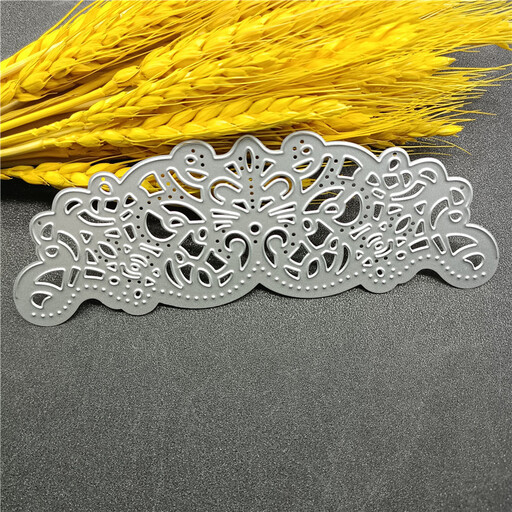
Why this product suits the profile: A border die is designed for creating repeated edging on card series, album pages and paper decorations.
Its clear use for card and album decoration reduces the risk of choosing an unsuitable single-motif die for creating long borders.
Metal lace-border design; intended for cards, paper decoration and scrapbooking albums.
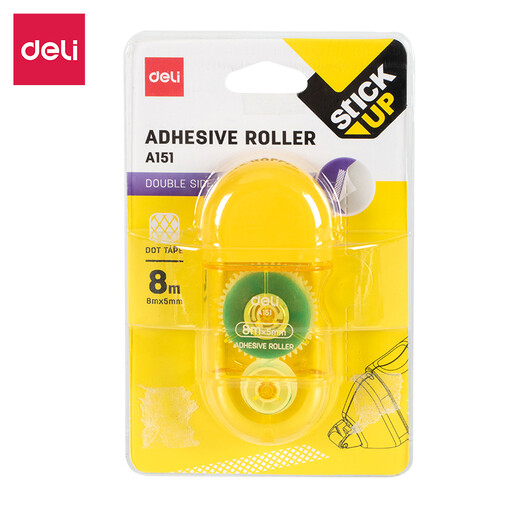
Why this product suits the profile: If you regularly attach photographs, paper layers and decorations, a glue roller can be a useful addition to your craft kit.
The set is described as a four-pack, with 8 m of adhesive tape in each roller. Even so, check whether the adhesive is suitable for photographs and the paper you are using.
Four glue rollers; double-sided adhesive tape; according to the product details, each has 8 m of tape.
We have compiled a complete, regularly updated list of products that fully meet these strict selection criteria and the safety regulations applicable in the EU.
For beginners, paper or card, a cutting mat, scissors or a paper trimmer, adhesive and a few scrapbooking accessories are usually enough. If you are working with metal dies, you will also need a compatible die-cutting and embossing machine and suitable cutting plates. A bone folder, tweezers and a tool for removing small paper scraps can make the process easier.
This depends on the design, machine and the level of rigidity you want. Thin paper is suitable for layers and delicate elements, while card provides more structure for card bases. The machine manufacturer’s specific recommendation should be the deciding factor. A test cut will show whether the die cuts cleanly through the material.
Metal dies should be stored somewhere dry, either flat or in suitable sleeves. Small designs can be sorted into groups by motif. Paper should be kept dry and protected from light wherever possible. Glue rollers and pens should be closed according to the product instructions to prevent the adhesive or ink from drying out.