
Lieferung heute & morgen

Qualitätsgarantie

Willkommens-Angebote freischalten: KOSTENLOSE Lieferung | Bis zu 80 % RABATT | Kostenlose 30-Tage-JoyPlus-Testphase
App herunterladen
A high-quality table made of wood, marble, or another fine material is often the centrepiece of a room. But everyday life poses risks: scratches from keys, stains from spilled drinks, or marks from creative craft sessions with the children. A transparent table protector seems like the ideal solution to shield the surface without compromising its aesthetic.
However, the selection is vast, and not every product delivers on its promise. Before you make a decision, it's important to know the most common pitfalls that can lead to a purchase you'll regret.
To avoid these problems, you should pay attention to a few key parameters before buying. These determine whether a transparent table cover will perform its function reliably over the long term.
The thickness of the protector is crucial for its protective performance and durability. A 2mm table protector provides a robust barrier against most everyday hazards.
Not every transparent protector is suitable for every table surface. The most important rule concerns glossy surfaces:
A high-quality transparent table protector should be made from low-odour and food-safe PVC. The material is naturally water- and oil-repellent, which makes cleaning extremely simple. A washable table protector means that most spills like coffee, juice, or sauces can be simply wiped away with a damp cloth. You should avoid using harsh cleaning agents or abrasive sponges to prevent damaging the surface.
Here are some recommendations tailored to different use cases and table sizes.
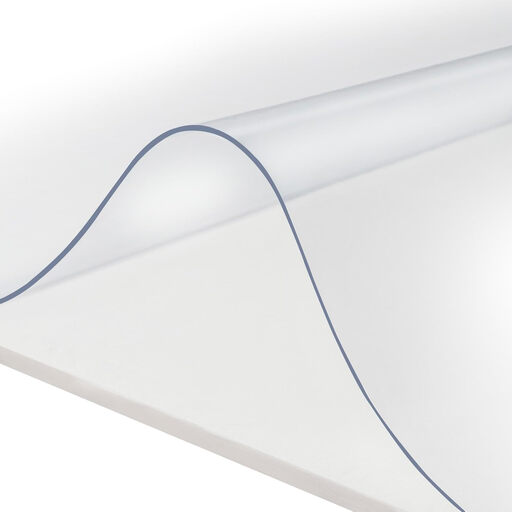
Why This Fits Their Persona: With generous dimensions of 100x180 cm, this protector is ideal for most standard dining tables where the whole family gathers. It offers comprehensive protection during meals, homework sessions, or craft projects.
The material thickness of 2 mm ensures the protector lies flat and doesn't slip or curl like thinner alternatives. It provides robust protection against everyday mishaps.
Completely waterproof and washable for effortless cleaning. Its heat resistance offers added protection from warm plates.

Why This Fits Their Persona: This size is perfect for standard desks in a home office or study. It protects the work surface from laptop scratches, coffee cup rings, and pen marks without obscuring the wood grain.
According to the manufacturer, the protector is designed for matte surfaces, specifically avoiding the air bubble issue that occurs on high-gloss tables. The low-odour PVC ensures a pleasant working environment.
The 2 mm thickness offers high tear resistance and durability. The smooth surface is easy to wipe clean and can be precisely trimmed if needed.
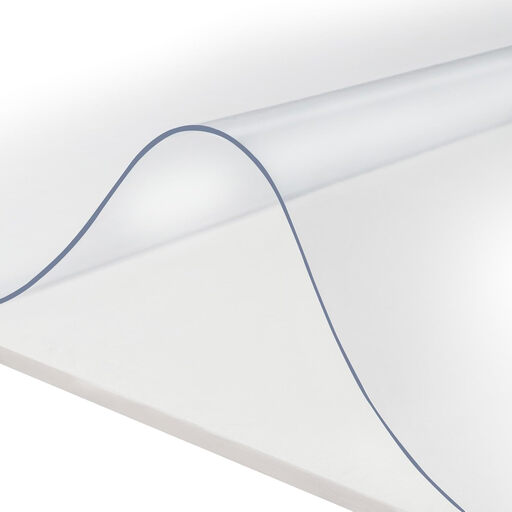
Why This Fits Their Persona: This compact format is excellent for smaller kitchen tables, coffee tables, or side tables. It provides the same robust protection as the larger versions but in a size tailored for limited spaces.
Here too, the 2 mm thickness prevents slipping and offers reliable protection. The precisely cut PVC ensures smooth edges and a high-quality feel without the strong odour of inferior products.
Provides invisible protection that lets the wood grain show through. The waterproof surface is extremely easy to maintain and ideal for daily use.
Beyond transparent protectors, there are many other ways to protect and style your table. Discover our range of easy-care tablecloths for any occasion.
Since the protectors are rolled for shipping, they need some time to flatten out completely. Unroll the protector and place it on the table. Weigh down the corners and edges with heavy books for 24 to 48 hours. Alternatively, you can speed up the process by gently warming the protector with a hairdryer on a low setting while smoothing it out.
Yes, a high-quality PVC protector can be easily customised. Use a sharp utility knife or sturdy scissors and a long ruler or metal straightedge to ensure a straight, clean cut. The edges of good quality material will not fray.
This phenomenon occurs when air gets trapped between two completely smooth, non-porous surfaces—typically on glass tops or high-gloss lacquered tables. Crystal-clear protectors are not ideal for such surfaces. They work best on matte, oiled, or slightly textured wood surfaces where air can escape.