
Lieferung heute & morgen

Qualitätsgarantie

Willkommens-Angebote freischalten: KOSTENLOSE Lieferung | Bis zu 80 % RABATT | Kostenlose 30-Tage-JoyPlus-Testphase
App herunterladen
A scratched screen, irritating fingerprints or a protector that starts lifting at the edges after a short time: when buying a screen protector for smartphones, the product name alone is not enough to make the right choice. Many products promote hardness ratings, “shatterproof” glass or particularly easy installation. However, these claims are only meaningful when considered alongside the material, fit and contents of the package.
Three mistakes in particular can lead to unnecessary follow-up costs:
Before buying, check the full model designation of your device. It is not just the brand and screen size that matter, but also the generation, Plus or Ultra variant and whether the screen has curved edges.
A case-friendly screen protector ends slightly before the edge of the visible front surface. This leaves room for the lip of a protective case. If you are considering particularly wide full-screen or ultra-wide protectors, you should also check compatibility with your specific case.
For curved screens, a flexible material can offer advantages when it comes to fitting. According to the product specifications, the hybrid glass used in the 3MK Flexible Glass for the Samsung Galaxy S25 Edge combines a glass layer with a flexible structure. This makes it an interesting option for users looking for something between classic toughened phone glass and a thin screen protector.
Toughened glass usually feels similar to the original screen surface and provides a firm, smooth layer. A specific thickness, such as 0.30 mm, makes it easier to assess how much the protector may affect operation. The Spigen Glass FC AlignMaster for the Samsung Galaxy M53 5G is specified as having a thickness of 0.30 mm and a 9H hardness rating.
According to the manufacturer’s specifications, hybrid glass combines properties of glass and film. It can be a practical solution for slightly curved screens. Even so, this material can still be damaged by strong, concentrated impacts.
TPU and multi-layer films are more flexible and can conform better to certain screen shapes. The 3MK StratCore700 for the iPhone 17 Pro Max is specified as having a material thickness of 0.40 mm, 7H hardness, and an oleophobic and hydrophobic coating. The advertised reinforcement of “up to 700%” is a manufacturer’s claim and should not be understood as a guarantee of an unbreakable screen.
A transparent, glossy protector keeps the display looking largely unchanged, but it does show fingerprints and can reflect more strongly in direct light. A matt screen protector, according to the product description, reduces reflections and visible marks, but may slightly affect brightness and colour perception.
A privacy screen protector restricts the view of the screen from the side. It is suitable, for example, for commuters who use their smartphone on trains, buses or in cafés. However, the side-view filter is no substitute for using your device securely and may affect the display when viewed from an angle.
For a bubble-free installation, a low-dust environment, thorough cleaning and precise alignment are essential. An installation frame or fitting aid reduces the risk of crooked edges. The Spigen EZ-Fit model for the Samsung Galaxy S25 includes an alignment frame as part of its design; even so, only light pressure should be used when applying it.
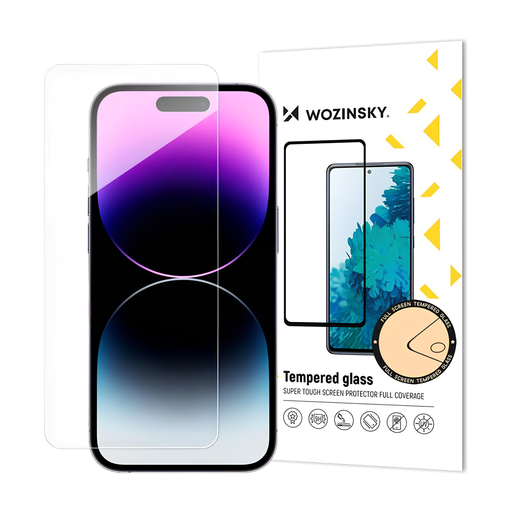
Why this product suits this profile: This flexible screen protector is aimed at iPhone 16 Plus owners looking for a slim solution for everyday protection against scratches and dirt.
The correct iPhone 16 Plus model and the included cleaning accessories help prevent the wrong purchase and dust getting trapped underneath.
TPU nano film with scratch- and dirt-resistant properties; the package is specified as including an installation card, cleaning cloth and dust remover.
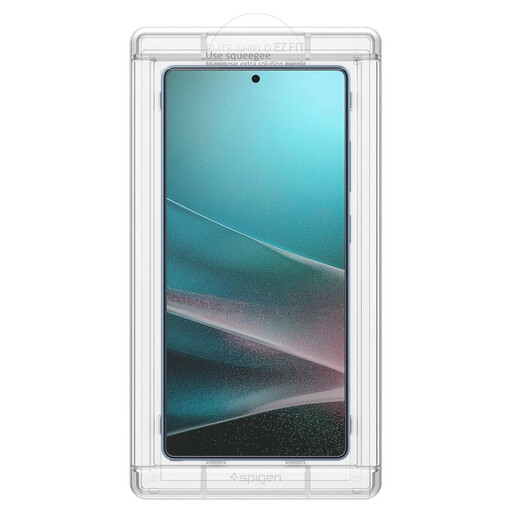
Why this product suits this profile: Suitable for users who want to combine hybrid glass, a defined 9H hardness rating and guided installation.
The EZ-Fit frame helps address the risk of misalignment, while the case-friendly design is intended to reduce conflicts with many phone cases.
A combination of toughened glass and PET film, 9H hardness, an oleophobic coating and two protective glasses, according to the product specifications.
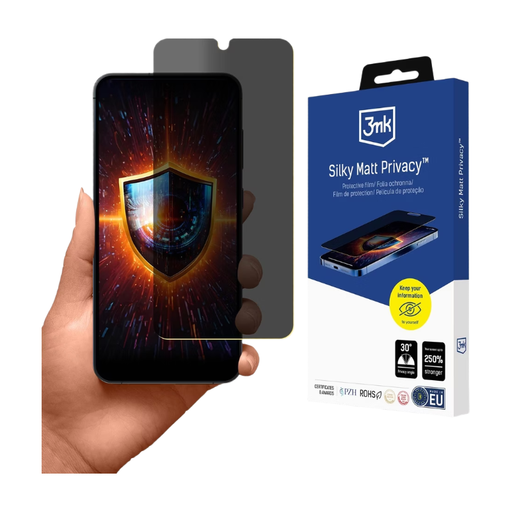
Why this product suits this profile: This matt privacy protector is designed for people who often use their Galaxy S25+ in public places and want to reduce reflections.
It does more than provide general scratch protection: the key features include privacy protection, a matt surface and reduced fingerprints.
Model-specific design for the Galaxy S25+, a matt surface and, according to the product description, preserved touch sensitivity and display clarity.
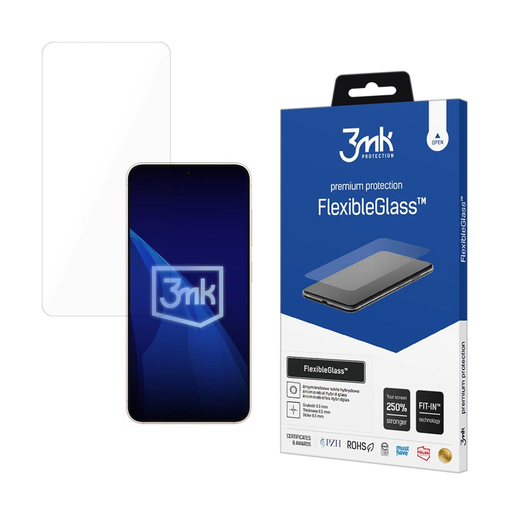
Why this product suits this profile: This product is aimed at frequent users looking for a transparent, flexible solution for a curved Galaxy screen.
The flexible construction is tailored to the distinctive shape of the S25 Edge and is intended to prevent the edges from lifting when used with compatible cases.
Transparent hybrid glass with anti-fingerprint and anti-scratch coating, plus precise cut-outs according to the product description.
We have put together a complete, regularly updated list of products that fully meet these strict selection criteria and the safety regulations applicable in the EU.
Replace a scratch-resistant phone protector or protective glass if it is visibly lifting, heavily scratched, cracked or damaged. An impact-resistant screen protector can reduce the strain on the original screen, but it is no substitute for a protective case or careful handling of your smartphone.
The exact model designation is what matters, not just the brand. Check the model number, screen shape, camera cut-out and information about case compatibility. For Samsung Galaxy and iPhone models, Plus, Pro, Ultra and Edge variants should be checked separately.
Its service life depends on friction, impacts, cleaning methods and daily use. Replace the protector if it develops cracks, starts lifting, shows obvious scratches or affects touch operation. No single general lifespan can be specified for all materials.
Toughened glass offers a firm, glass-like surface and is often described using hardness ratings such as 9H. Plastic and hybrid films are more flexible and may be more practical for certain screen shapes or specific surface requirements. The right choice depends on the model, case, preferred feel, privacy protection and ease of installation.