Website creators using NVDA
If you want to create or review your class reunion website using NVDA, you’ll need a Windows-based setup. NV Access offers NVDA for PCs running Windows 10 or later.


If you want to use NVDA, you’ll need a Windows PC: NV Access offers NVDA for PCs running Windows 10 or later. macOS is an option for VoiceOver, and ChromeOS for ChromeVox. In every case, check that your website editor and the entire publishing process can be used with your screen reader and keyboard.
If you want to create or review your class reunion website using NVDA, you’ll need a Windows-based setup. NV Access offers NVDA for PCs running Windows 10 or later.
If you want to write, navigate and review your website using VoiceOver and macOS, check that your website editor and any programmes you need are compatible too. Apple documents VoiceOver as the built-in screen reader for Mac.
If you’ll be managing invitations, page content and forms mainly in a browser, a Chromebook may be suitable. Google describes ChromeVox as the built-in screen reader for Chromebooks, but the editor you choose still needs to work with your setup.
A good fit if: you want to use NVDA or an editor that requires Windows.
Consider: keyboard, power supply and specifications vary by model and configuration.
A good fit if: you want to use VoiceOver and the programmes you need work with macOS.
Consider: before switching, check that your existing programmes and keyboard shortcuts suit your workflow.
A good fit if: you can create, manage and review the website in a browser, and ChromeVox meets your needs.
Consider: NVDA is available for Windows, not ChromeOS, so check whether the local programmes you need will work before buying.
There are four different buying priorities to consider for your class reunion website. Start by checking your workflow, then look at the device features that will support your day-to-day editing and reviewing.
| Priority | What to check before buying | Who is this important to? |
|---|---|---|
| Compatibility | Check the operating system requirements for your screen reader, editor and testing tools, as well as your publishing process. | If I want to use my usual screen reader and editor, both need to work on the laptop; around 36% of consumers put this compatibility first. |
| Keyboard accessibility | Check the keyboard layout and the position of important keys; try using the editor and website without a mouse. | If I enter lots of content and check links or forms using the keyboard, how easy the specific device is to use really matters; around 29% of consumers prioritise keyboard accessibility. |
| Screen space | Check the screen size and resolution of the specific configuration, as well as the ports available for any monitors you already own. | If I want to keep page content and testing information in view while editing, I need screen space that suits my workflow; around 21% of consumers give this need priority. |
| Mobile browser workflow | Test editing, reviewing and publishing in the browser and screen reader you plan to use; check the ports and what’s included with the specific model. | If I manage the website in a browser from different locations, I need tools that suit the task rather than assuming desktop programmes will work; around 14% of consumers put this mobile browser workflow first. |
Having text-to-speech available doesn’t prove that forms, controls and the publishing process in your chosen editor are accessible.
Test a sample page with your chosen screen reader, from editing right through to publishing.
If the editor doesn’t suit your workflow, you may need to use a different one or spend more time testing.
NV Access offers NVDA for Windows, while Chromebooks come with ChromeVox. The two platforms aren’t directly interchangeable.
If NVDA is essential for you, choose a Windows-based setup. Consider ChromeOS as a separate option and test it with the tools you actually need.
Switching platforms may mean choosing a different device or changing your software workflow.
Dell states that the Dell 14 DC14250 reviewed does not include a power adapter; HP lists a power supply as included with the ProBook 4 G1i 16, AD2N7ET#ABD.
Check the full model number and what’s included with the specific offer.
If an offer doesn’t include a power adapter, you may need to buy a suitable one.
The models and configurations listed here offer a guide to different workflows. Details for one variant don’t necessarily apply to other devices from the same brand.
The ThinkPad E14 Gen 7 (Intel), 21SX000RGE, is a specific Windows configuration for keyboard-intensive work.
The MacBook Air is a macOS option for anyone who wants to work with VoiceOver.
The Dell 14 DC14250 is a compact Windows comparison model with a 14-inch display.
The ProBook 4 G1i 16 is a Windows option if you need more built-in screen space.
The Chromebook Plus 514, NX.J5ZEG.001, is a ChromeOS option for browser-focused workflows using ChromeVox.
These product options are intended for creating and reviewing website content. Check the operating system, screen reader compatibility and specifications for each model variant individually.
 No image available
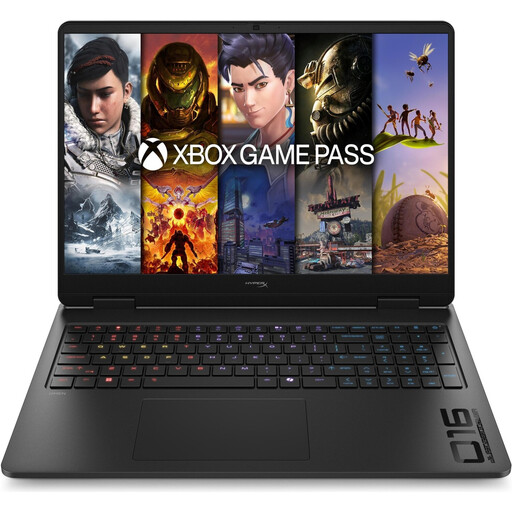
Windows 11 Home is relevant for an NVDA workflow; test the editor you use and its features with your screen reader.
16-inch QHD display; AMD Ryzen 7 8745HX; 16 GB RAM; 1 TB SSD; GeForce RTX 5060.
 No image available
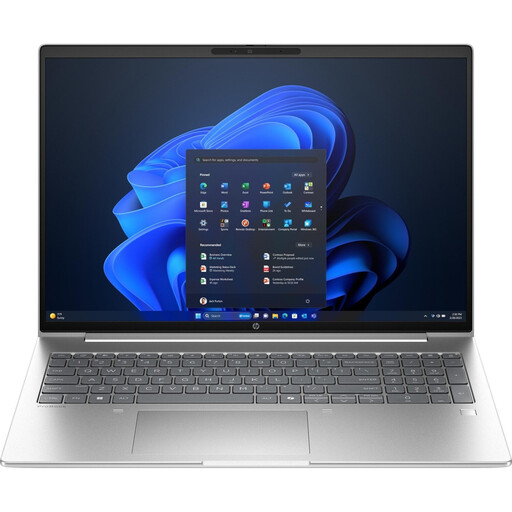
Windows 11 Pro is relevant for an NVDA workflow; check separately that the programmes you need are accessible.
16-inch IPS display, 1920 × 1200; Intel Core Ultra 7 255U, 2 GHz; 32 GB RAM; 1 TB NVMe SSD; Wi-Fi 7.
 No image available
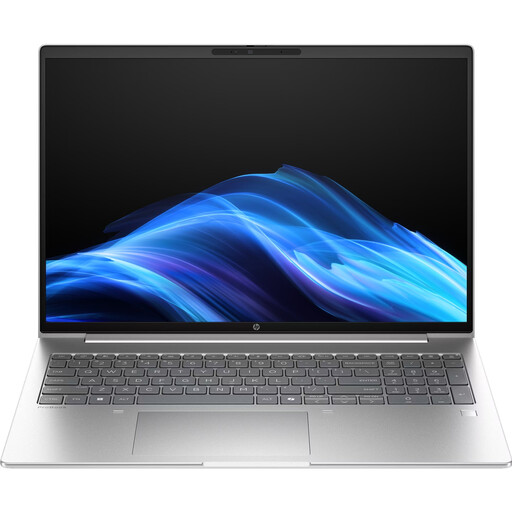
The listed German QWERTZ keyboard layout may feel more familiar when typing; check the key layout and screen reader controls on the specific device.
16-inch WUXGA IPS display; AMD Ryzen 5 230; 16 GB DDR5 RAM; 512 GB SSD; Windows 11 Pro.
 No image available
The listed 16-inch display gives you built-in screen space for page content; test your screen reader workflow with the operating system and editor you plan to use.
16-inch QHD+ display, 240 Hz; AMD Ryzen 7 7745HX; 16 GB DDR5 RAM; 1 TB SSD; NVIDIA GeForce RTX 5060; RGB backlit keyboard; Wi-Fi 6.
The key is to have a supported Windows system: NV Access offers NVDA for PCs running Windows 10 or later. Also check the specific features of your editor; RAM and display specifications alone don’t tell you whether it’s accessible.
Use a keyboard and screen reader to check headings, reading order, alt text, links and forms. The Federal Accessibility Portal notes that automated testing tools can support, but not replace, manual testing.
First, check what’s included with the specific configuration: Dell notes that the power adapter isn’t included with the DC14250 offer reviewed. A retailer’s statutory liability for defects is separate from a voluntary manufacturer’s warranty; consumer purchases are generally covered by a two-year period. Online purchases generally come with a right to cancel, usually within 14 days of receiving the goods.
No, you can’t assume that from the subject alone. The Federal Accessibility Centre describes electronic commerce in connection with entering into a consumer contract; whether a particular website falls under this or other rules depends, among other things, on its operator and features. Making your site usable with a keyboard and screen reader is helpful for guests regardless.
Not just because the website is for a class reunion. Under the General Data Protection Regulation, processing personal data requires an appropriate legal basis; consent is one possible basis. Before publishing details or photos, clarify the purpose, who can access them and the legal basis for the content you plan to share.