Developers using NVDA
If you’re developing and testing the submission form yourself with NVDA, you’ll need a Windows setup. NV Access lists NVDA as a Windows operating system product.


Choose your operating system based on your screen reader and development tools first: NVDA is designed for Windows, while VoiceOver is built into macOS. Then compare the exact configuration, ports and what’s included for your work with a browser, development environment and test devices. A mini PC takes up less desk space, but expandability and included peripherals vary by model.
If you’re developing and testing the submission form yourself with NVDA, you’ll need a Windows setup. NV Access lists NVDA as a Windows operating system product.
If you prefer to work with the Mac’s built-in screen reader, you can also test the portal flow on macOS. Apple describes VoiceOver as the Mac’s built-in screen-reading feature.
If you need to make room for a monitor, keyboard and test devices, compare compact computers by their ports and the specification of the exact version.
A good fit if: You use NVDA as your main testing environment and want to set up a dedicated development workstation.
Things to weigh up: Ports and options for future upgrades depend on the model, so check the monitor connection and what’s included.
A good fit if: You want to use NVDA on Windows and have limited desk space, or already own a suitable monitor.
Things to weigh up: Port and specification details vary by version. Check whether input devices are included, too.
A good fit if: You prefer VoiceOver as your everyday screen reader or want to test how the portal works on macOS.
Things to weigh up: NVDA is designed for Windows. Choose a Mac mini configuration based on the tools you need and the devices you already own.
| Priority | What to check before buying | Who is it important to? |
|---|---|---|
| Screen reader and operating system | Decide which screen reader, operating system and browsers you need. | If I want to work locally with NVDA or VoiceOver, my computer needs to suit that environment. Around 31% of consumers put having the right screen-reader environment first. |
| Development and testing | Match your RAM and SSD requirements to the tools you actually use at the same time. | If I use a development environment, browser and screen reader tests in parallel, I compare the specification of the complete model version. Around 25% of consumers prioritise parallel development and testing. |
| Image files and project storage | Consider how many files you’ll store locally and the system requirements of the image-editing software you use. | If I keep source code and test images locally, I want to choose storage and tools to suit my project. Around 19% of consumers put image files and project storage first. |
| Space and ports | Check the display, USB and audio ports, as well as whether a monitor and input devices are included. | If I want to connect devices I already own and save desk space, the specification of that exact version matters. Around 13% of consumers prioritise desk space and device connections. |
| Ongoing costs and useful life | Check what’s included, upgrade options and operating system support for how you plan to use the computer. | If I want to use the computer for longer, I factor in any missing devices and future upgrades when choosing. Around 12% of consumers put ongoing costs and useful life first. |
The reading order, clear form labels and confirmation after submission come from the way the portal is designed, not from the PC’s specification.
Test the entire submission process with a keyboard and screen reader, including error messages and the success message. The W3C Web Accessibility Initiative explains why labelled form fields and feedback matter.
Allow time to develop and test the whole process.
Product ranges can include different processor, storage and operating system configurations. The range name alone doesn’t tell you what specification you’ll get.
Check the full model number, RAM, SSD, operating system, ports and what’s included in the specific offer.
An unsuitable configuration could mean you need to buy additional devices or change your choice.
Microsoft ended regular support for Windows 10 on 14 October 2025. The company offers separate options for extended security updates.
Before you buy, find out how the specific device will receive security updates over your planned period of use.
Switching operating systems or getting extended security updates could involve extra effort.
The M03 range includes Windows desktops with a separate monitor. The exact configuration is what matters.
The A5 Pro is a compact Windows option if you already have a separate monitor.
The Cubi NUC 1M family is a range of compact PCs. Make sure its monitor and device connections suit your needs.
The ThinkCentre M70q Gen 6 Tiny is a configurable business mini PC for a dedicated development workstation.
The Mac mini could be a good fit if you use VoiceOver on macOS or need that testing environment.
These product options are Windows mini PCs and desktops for an NVDA workstation. Check that the specification suits your monitor, the tools you use and your local storage needs.
 No image available
Could suit a compact Windows workstation for local NVDA testing.
Windows 11 Pro, 128 GB RAM and a 2 TB SSD. The listed dimensions are 20 × 8,55 × 16,8 cm; ports include Thunderbolt 4 and Mini DisplayPort outputs.
 No image available
Could be suitable for a dedicated Windows development workstation with a separate monitor.
This version lists Windows 11 Pro, 32 GB RAM and a 1 TB M.2 SSD. The listed ports include DisplayPort, HDMI and several USB ports.
 No image available
Could suit a compact Windows workstation for development tools and screen-reader testing.
Windows 11 Pro; HDMI, DisplayPort and USB-C are listed as video outputs. The description lists two M.2-2280 slots and a maximum total capacity of up to 4 TB.
 No image available
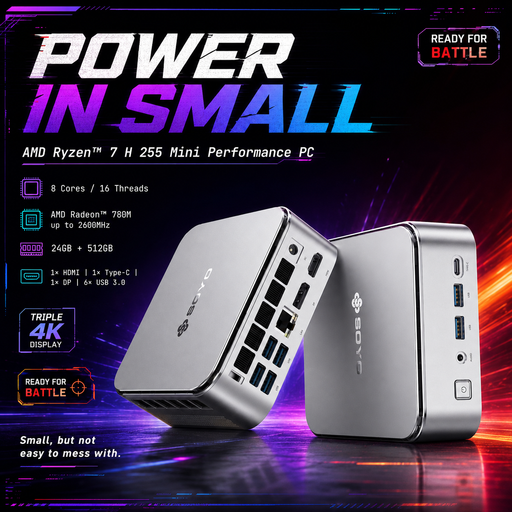
Could be a good fit if you’re looking for a compact Windows PC for your development environment.
Windows 11; the title lists SSD options of 512 GB or 1 TB. The chassis is listed as 0,66 litres, and support for three 4K displays is also noted.
 No image available
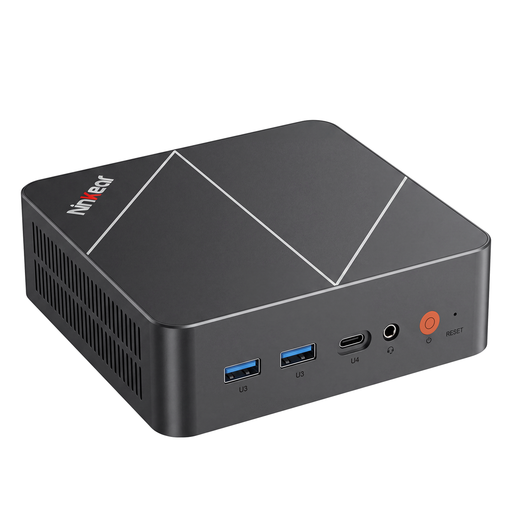
Could be a compact option for a Windows workstation with NVDA.
Windows 11; video outputs include HDMI, DisplayPort and Type-C. The listed chassis dimensions are 128 × 128 × 47,6 mm.
No. The form needs to be designed with clear field labels and confirmation after submission. Test the actual process with a keyboard and screen reader; the W3C Web Accessibility Initiative explains these requirements for forms.
Choose a Windows computer for local NVDA testing; VoiceOver is built into Mac. Then test navigation, input fields and feedback in the browser you use.
Check whether a monitor and input devices are included in the specific offer, and read the warranty terms. In Germany, the statutory consumer rights you have against the seller are separate from a voluntary guarantee.
No, you can’t tell from the project name alone. The Federal Agency for Accessibility lists, among the requirements for electronic commerce services, an individual request from a consumer in connection with a consumer contract. The type of provider and any possible exemptions must also be checked. The BFSG has applied since 28 June 2025. Other requirements, such as BITV 2.0, may apply to public-sector websites.