
Lieferung heute & morgen

Qualitätsgarantie

Willkommens-Angebote freischalten: KOSTENLOSE Lieferung | Bis zu 80 % RABATT | Kostenlose 30-Tage-JoyPlus-Testphase
App herunterladen
A good screwdriver set is the foundation for countless projects around the house, from assembling furniture to repairing delicate electronics. But the market is flooded with offers whose promises often turn out to be costly disappointments. Before you make a purchase, it's crucial to understand the typical pitfalls that lead to tools ending up unused in a drawer. This guide will help you separate the wheat from the chaff and find a set that reliably serves its purpose.
Many buyers focus on superficial features like a high piece count or a low price, only to discover later that the tool is unusable. Pay special attention to these three points:
To avoid a bad purchase, you should focus on the technical specifications that determine the durability and functionality of a screwdriver set.
The heart of any set is the bits. Their quality determines success or failure on the job.
Not every set is suitable for every task. Your choice should be based on your primary area of use.
Based on these objective criteria, we have identified a few products that represent a suitable solution for specific user profiles.
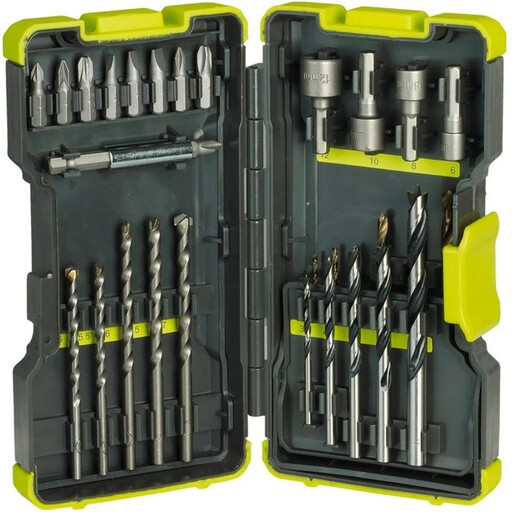
Why This Fits Their Persona: Ideal for those who need a reliable all-around set for occasional repairs and assembly without investing in professional-grade equipment. Covers the most common household screwing and drilling tasks.
This set avoids the "empty piece count" trap by offering a focused selection of 30 useful screwdriver and drill bits instead of useless filler material.
Combines drill and screwdriver bits in one compact case. The magnetic bit holder makes handling screws easier.
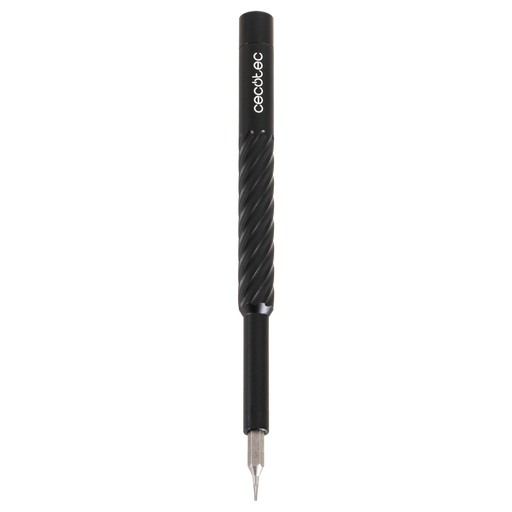
Why This Fits Their Persona: Perfect for hobbyists and technicians who regularly work on laptops, smartphones, cameras, and other electronics. The huge variety of bits ensures the right tool is on hand, even for rare screw types.
The high piece count isn't a marketing gimmick here. The set offers a specialised collection of 128 precision bits. The case is designed to keep every small part securely in its place.
Comprehensive bit selection for almost any electronics repair. The integrated magnetiser in the case allows you to magnetise or demagnetise bits as needed.
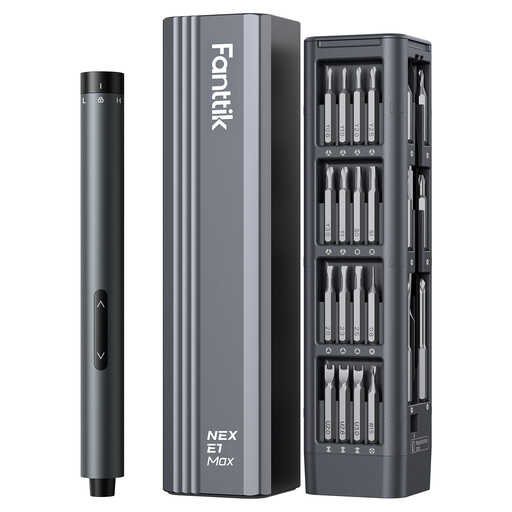
Why This Fits Their Persona: For anyone looking to save time and effort on repetitive screwing tasks. This cordless screwdriver set combines the precision of a fine mechanic's tool with the convenience of an electric drive, ideal for assembling devices or furniture.
Unlike underpowered or oversized cordless screwdrivers, this model offers adjustable torque (0.05 N.m / 0.2 N.m) to prevent overtightening delicate screws. The bits are made from high-quality S2 steel.
Two torque levels plus a manual mode for full control. The set includes 50 magnetic S2 steel bits in a high-quality, magnetic storage case.
We have compiled a complete, up-to-date list of products that fully meet these strict selection criteria and all applicable safety regulations.
This is a common source of error. Phillips (PH) screw heads have a simple cross shape. Pozidriv (PZ) heads have an additional four small indentations offset at a 45-degree angle. These provide better torque transfer and reduce the risk of slipping (cam-out). Using a PH bit in a PZ screw (or vice versa) often results in damage to both the bit and the screw. Always make sure to use the correct bit type.
The battery life depends on the battery's capacity (measured in milliampere-hours, mAh) and the intensity of use. Models like the Fanttik E1 Max can handle over 400 screws on a single charge, according to the manufacturer. Other devices specify a continuous operation time, which is often between 60 and 90 minutes. For most DIY and repair projects, a single battery charge is more than sufficient.
In most cases, yes. A magnetic bit holds the screw securely, which makes one-handed operation and working in hard-to-reach places much easier. It also prevents screws from falling into the interior of devices. When working on extremely sensitive electronic components that must not be magnetised, a non-magnetic tool may be necessary. For this reason, some sets include a magnetiser/demagnetiser, allowing the user to enable or disable the bit's magnetic property as needed.