
Lieferung heute & morgen

Qualitätsgarantie

Willkommens-Angebote freischalten: KOSTENLOSE Lieferung | Bis zu 80 % RABATT | Kostenlose 30-Tage-JoyPlus-Testphase
App herunterladen
A screwdriver set can be a useful part of your basic toolkit for household jobs, DIY projects and repairs. However, a high part count doesn’t automatically mean you’ll have the right tools for the job. Often, useful sizes go unused while the Torx or crosshead screwdriver you need is missing.
That’s why we’ve organised our selection by specific uses: furniture assembly, small household repairs, electronics, bikes, vehicles and precision work. This makes it easier to decide whether a traditional tool set, a precision screwdriver set or an electric screwdriver is right for you.
A bit set with a wide range of profiles may look comprehensive, but it can be impractical if the sizes aren’t clearly marked or are difficult to access. For furniture and household jobs, you’ll usually use just a few standard profiles regularly. For smartphones, laptops or watches, however, small sizes such as PH000, T5 or T6 are essential.
More important than the number of pieces are:
Magnetic screwdrivers can hold small screws in place as you line them up. But they won’t solve the problem of using the wrong profile. If the tip doesn’t fit fully into the screw head, it may slip or damage it. For delicate electronic components, you should also check whether magnetic bits are suitable for the job.
An electric screwdriver makes repetitive assembly jobs easier, but it isn’t automatically suitable for working on live wires. For that, you need tools specifically designed and tested for the purpose, such as VDE-certified tools. A mini electric screwdriver for electronics and an insulated screwdriver for electrical installations serve different purposes.
A practical everyday tool set should include common flat-head screwdrivers and crosshead screwdrivers at the very least. Furniture, bikes and appliances may also require Pozidriv, hex or Torx screwdrivers.
Smaller profiles are important for precision work. A typical precision set might include:
Before you buy, check the screws you already have. The profile name alone isn’t enough; the size must also match the screw head.
Product specifications often list chrome vanadium steel (Cr-V) or S2 steel. Cr-V steel is used in many traditional screwdrivers and bits. S2 steel is often described as hard-wearing and highly resistant to wear, particularly for precision bits. Treat these as material specifications, not as a guarantee of a particular lifespan.
Also look for:
A compact mini screwdriver with a rotating end cap may be all you need for quick repairs. For longer jobs, a comfortable grip and controlled force transfer are more important. A magnetic tip makes it easier to position small screws, but it’s no substitute for working carefully.
For electrical installations, only use tools designed for the task, in good condition and clearly marked as suitable. The PROBUILDER VDE set’s product information states that it has been tested to VDE and GS standards and is rated up to 1000 V AC. Electrical installations should only be worked on by suitably qualified people. Before each use, check the insulation for cracks or cuts.

Why it suits this user: This set covers basic flat-head and Phillips profiles for assembling furniture, fitting cupboard hardware and carrying out simple household repairs.
The set focuses on six common tools rather than including specialist profiles you may never use. The product information also lists Cr-V steel and non-slip three-component handles.
Six standard sizes, ergonomic handles and chrome-plated vanadium steel shafts, according to the product description.

Why it suits this user: For anyone repairing smartphones, laptops, cameras, watches or games consoles and needing a range of specialist profiles.
The product description says the bits are labelled and stored in a metal case. This keeps everything organised, even though the set includes a wide range of profiles.
56 S2 steel bits, a magnetic aluminium handle and a rotating end cap, according to the supplier.
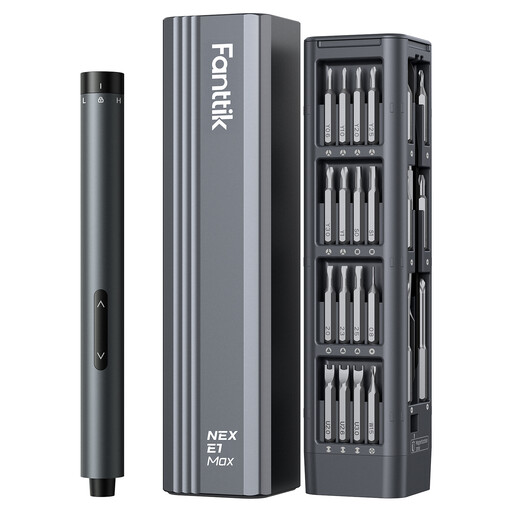
Why it suits this user: This compact electric precision tool is designed for tech enthusiasts and anyone who regularly works with small screws in electronic devices.
The stated torque settings of 0,05 and 0,2 Nm let you choose the right level for the job. For delicate screws, start with the lower setting.
50 magnetic bits, a USB-C charging port and an additional manual torque range, according to the product description.
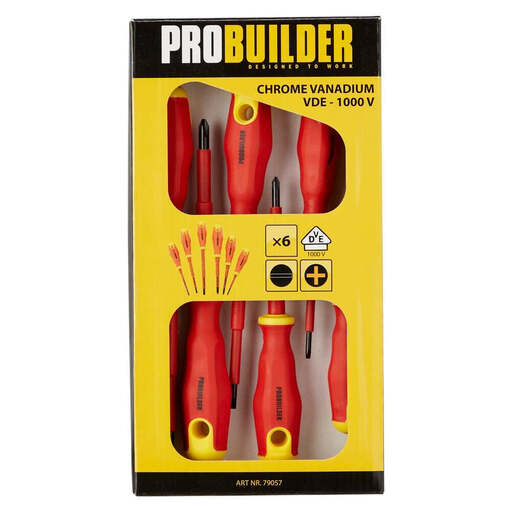
Why it suits this user: These six insulated tools are intended for qualified users who need specific flat-head and Phillips sizes for electrical work.
The insulation and stated VDE and GS testing distinguish this set from standard metal tools with no electrical protection.
Three flat-head and three Phillips screwdrivers with insulated handles, according to the product information.
We’ve put together a comprehensive, regularly updated list of products that meet these strict selection criteria and the safety regulations in force across the EU.
For typical household jobs, a set with flat-head, Phillips and, where needed, Pozidriv profiles in several standard sizes is usually enough. A supplementary bit set may be useful for furniture, hinges and devices with security screws.
A precision screwdriver usually has a narrower handle, smaller tips and often a rotating end cap. It’s designed for small screws in glasses, watches, electronic devices and model-making. A traditional screwdriver, on the other hand, usually transfers more torque to larger screws.
Its lifespan depends on the materials, how heavily it’s used, how it’s stored and whether you choose the right profile. You can reduce wear by avoiding using the tools as levers, not applying excessive force and storing them somewhere dry. If bits show signs of rounding, replace them before they damage screw heads.