If you have a suitable induction-compatible pot and limited space, a portable single induction hob is a natural place to start. If your pot is not suitable for induction, consider an electrically heated hotplate instead. For cooking with two pots at once, compare portable double hotplates or built-in hobs based on your available space, installation requirements and electrical connection. For packed lunches, no hob can replace prompt chilling, chilled transport and thorough reheating: the Federal Institute for Risk Assessment (BfR) recommends heating food to at least 70 °C for two minutes throughout when preparing and reheating it.
Which hob suits which cook?
Batch cooks using just one pot
If you usually make stew in batches in a single pot and want to put your hob away when you’re done, consider a portable single hotplate. With induction, the base of your pot must be compatible with the specific hob model.
Cooks who want to keep their existing pot
If your stew pot is not suitable for induction, electrically heated hotplates are an alternative. Compare the size of the heating zone with the base of your pot, and take note of the residual heat warnings.
Cooks who need several cooking zones
If you want to cook stew and a side dish at the same time, or are planning a fitted kitchen, compare the number of zones with the space available, the installation requirements and the connection needed.
What to look for when buying
First, check that your existing pot is compatible with the type of heating. Then decide whether one zone is enough, and whether the available space and connection suit the way you plan to use it.
| What you need |
What to check before buying |
Who this matters to |
| Control boiling and simmering |
Check the power settings, timer and control panel on the specific model; the settings do not tell you the temperature throughout the food. |
When I turn the heat down from boiling to simmering, I want to be able to adjust it easily on the hob. Around 33% of consumers say heat control is their top priority. |
| Keep using an existing pot |
Check that your actual pot is induction-compatible and compare its base diameter with the guidance for the model. |
I want to keep my existing stew pot rather than having to buy new cookware for my hob. Around 27% of consumers prioritise being able to keep using their pot. |
| Cook stew and a side dish at the same time |
Check the number of cooking zones, whether there’s room for both pots and the stated total power separately. |
If I’m cooking stew and a side dish at the same time, I need several usable zones. Around 20% of consumers prioritise being able to cook two things at once. |
| Space and connection |
Check the appliance dimensions and connection type. For built-in models, also check the cut-out size and find out what electrical work is required. |
I want to know before I buy whether a portable hob will fit in my space or a built-in model can be installed in my kitchen. Around 20% of consumers prioritise space and connection requirements. |
Avoiding common buying mistakes
-
Choosing an induction hob based on features alone
An induction hob needs a compatible pot base. If your stew pot is not suitable for induction, this type of hob may not work with the cookware you already own.
Check that your actual pot is compatible and compare its base diameter with the model specifications. If necessary, consider an electrically heated alternative.
-
Assuming a keep-warm setting keeps food at a safe temperature
A hob setting does not tell you whether the stew has reached the required temperature throughout, or how it will be chilled and transported after cooking.
Chill portions promptly, transport them chilled and reheat them thoroughly before eating. The BfR recommends heating food to at least 70 °C for two minutes throughout.
-
Reading the total power of a double hotplate as the power per zone
For the SEVERIN DK 1031, the manufacturer states that it has two zones and a total appliance power of 3400 W. This total figure does not mean that each individual zone has that power.
Check the zone specifications and electrical connection requirements separately in the documentation for the specific model.
-
Planning for a built-in hob as if it were a portable plug-in hotplate
A built-in appliance needs a suitable installation. Electrical work is different from plugging in a portable hob designed for that purpose.
Before buying, check the cut-out dimensions, the model instructions and the connection required. Any necessary electrical work must be carried out in accordance with the applicable requirements.
Brands and suitable model ranges
ROMMELSBACHER
The CT 2010/IN and CT 2203/TC offer different heating types in portable single hotplates.
- According to ROMMELSBACHER, the CT 2010/IN has ten power settings and requires a ferromagnetic pot base.
- For the CT 2203/TC, the manufacturer specifies a switchable HiLight heating zone with a diameter of 140 or 210 mm.
- The CT 2203/TC is not an induction hob. The heating zone and pot base should be a suitable match.
SEVERIN
The KP 1071 is a portable single induction hob, while the DK 1031 has two cooking zones for cooking two things at once.
- SEVERIN specifies a Schuko plug for the KP 1071. For the DK 1031, the manufacturer states that it has two zones and a total appliance power of 3400 W.
- A double hotplate takes up more space than a single one. Its total power does not guarantee a particular simmering performance or power per zone.
CASO Design
The COMFORT C2000 is a portable single induction hob for compatible pots.
- CASO Design specifies a pot diameter of 12 to 22 cm, ten power settings and a timer.
- The advertised keep-warm function at approximately 60 °C does not prove that stew will be kept at a food-safe temperature throughout.
Bosch
The PIE61RBB5E is a four-zone built-in induction hob for a suitably planned, permanent kitchen installation.
- Bosch specifies four cooking zones, TouchSelect and a switch-off timer for this model.
- The model requires a suitable built-in installation; these specifications do not automatically apply to other Bosch hobs.
Joybuy products for different cooking needs
This selection includes portable single and double hotplates, as well as built-in hobs with induction or electric heating. Compare the type of pot you use, how many zones you need and where you plan to place or install the hob.
 No image available
Portable induction hob, 1 cooking zone, 1000 W
For one pot, if you’re looking for a portable induction hob with several power settings.
- One cooking zone
- 1000 W
- Five power settings
- Requires induction-compatible cookware
View at Joybuy
 No image available
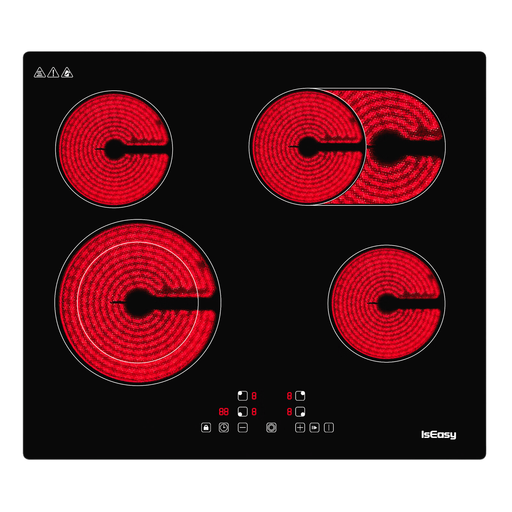
60 cm ceramic glass hob with four cooking zones
For several pots and a permanently planned kitchen. The product description specifies a 56 × 49 cm cut-out and a fixed electrical connection.
- Four cooking zones
- 6600 W
- Touch controls
- Oval and dual cooking zone
- The description lists various pot materials, including aluminium, copper, ceramic and glass.
Electrical work is covered by § 13 NAV, which sets out who is permitted to carry out such work.
View at Joybuy
 No image available
dtl06 infrared hotplate
A portable infrared hotplate for heat-resistant cookware; the product description states that it is for indoor use.
- 3500 W
- Timer
- Touch and rotary controls
- For heat-resistant cookware, according to the product description
View at Joybuy
 No image available
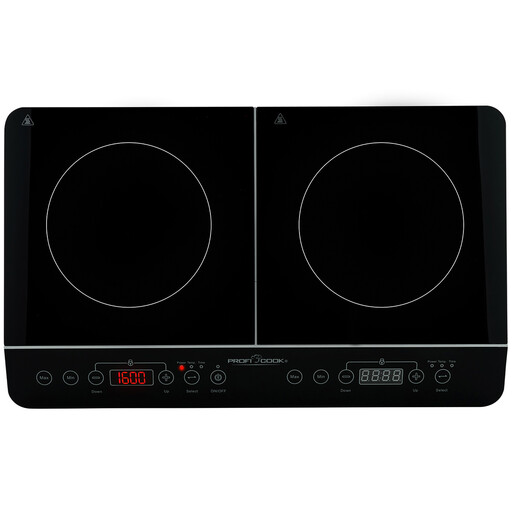
ProfiCook PC DKI 1067 double induction hotplate
For cooking stew and a side dish at the same time, provided both pots are induction-compatible.
- Two cooking zones
- Ten temperature settings from 60 °C to 240 °C
- 180-minute timer
- Requires induction-compatible cookware
View at Joybuy
 No image available
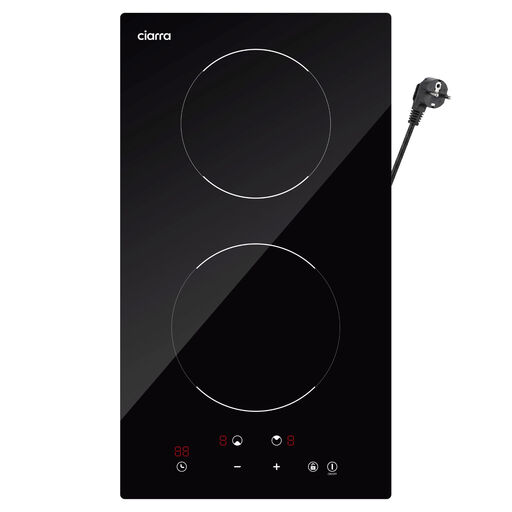
CIARRA CRGDBIH2 built-in induction hob
For two induction zones in a planned fitted kitchen; the cut-out and connection required must be suitable for your kitchen.
- Two cooking zones
- 3000 W
- Nine power settings
- Timer for each zone, according to the product description
- Specified cut-out: 270 × 490 mm; 16 A fuse protection
Electrical work must comply with the requirements of § 13 NAV.
View at Joybuy
Frequently asked questions
Can I batch-cook seafood stew for several working days?
Yes, as long as you plan how you’ll store and chill it. The BfR recommends eating cooked dishes within two to three days or freezing them. Chill portions promptly, transport them chilled and reheat them thoroughly before eating.
Is a hotplate’s keep-warm function enough to ensure food safety?
No. An appliance setting does not show whether the stew has reached the required temperature throughout. The BfR recommends heating food to at least 70 °C for two minutes throughout when preparing and reheating it. If needed, you can check the food temperature with a suitable thermometer.
How do I clean the hob after stew has boiled over?
Follow the cleaning and safety instructions in the manual for the specific model. ROMMELSBACHER specifies a residual heat indicator for the CT 2203/TC; even so, wait until the surface has cooled sufficiently before cleaning it.
What additional costs or service options should I compare?
For induction, check whether your existing pot is compatible or whether you’ll need another one. Built-in hobs may also involve installation and connection work. SEVERIN lists a repair service for the KP 1071; according to the Verbraucherzentrale, there is no EU energy label for hobs.
Can I connect a built-in hob to the electrical installation myself?
Under § 13 NAV, electrical work must generally be carried out by an installation company registered in a network operator’s installer register; the regulation provides exceptions for certain maintenance work. This is different from plugging in a portable hob designed for that purpose. Before buying, check what connection work your chosen built-in model requires.


