What should you consider when choosing?
The right choice depends on what matters most to you when recording a seated interview about changes in your neighbourhood.
Wired lavalier microphone
Suitable if: the interviewee does most of the talking and you have a compatible microphone input that supplies power.
Bear in mind: The RØDE Lavalier GO needs a 3.5 mm TRS connection and plug-in power that are compatible with your recording device. Clothing can rub against the microphone.
USB desktop microphone
Suitable if: the conversation is taking place at a permanent computer setup and you can position the microphone close enough to the person speaking.
Bear in mind: The Sennheiser Profile USB needs a suitable USB recording setup. A single microphone does not automatically provide two separate microphone positions.
Portable recorder
Suitable if: you are recording conversations in different locations or without a computer running.
Bear in mind: With the Zoom H1essential, you need to plan where to place it, how to power it and how to store recordings. 32-bit float will not compensate for poor microphone positioning.
Two-channel wireless system
Suitable if: both the interviewee and interviewer should wear their own microphone, or a cable would make positioning difficult.
Bear in mind: With Sennheiser or RØDE kits, you also need to check the batteries, receiver connection and both audio signals.
The table shows what to check depending on your main priorities. The percentages represent the most important consideration for each group when choosing.
| Priority |
What to check before buying |
Who is this important for? |
| The interviewee’s voice |
Check that the microphone position, connection and power supply work with your recording device, then listen to a short test recording. RØDE specifies a 3.5 mm TRS connection and plug-in power for the Lavalier GO. |
If I mainly want to record a seated interviewee clearly, I look for a close microphone position and an attachment that will not cause rubbing noises. Around 39% of consumers prioritise this. |
| Both voices in the conversation |
Check the number of transmitters and what is included with the specific kit. Make a test recording with both people and listen to both signals. |
If I want my questions to be audible too, I plan to use a separate microphone for the interviewer. Around 23% of consumers prioritise having two separate microphone positions. |
| Recording without a computer |
Check that the storage medium, power supply and placement options suit your planned recording setup. |
When recording conversations in different locations, I want to work without a computer running, so I plan storage and power in advance. Around 23% of consumers prioritise this. |
| Permanent computer setup |
Check USB compatibility, the desk stand, cable length and headphone connection for the exact model. |
If my recording setup is permanently based at a computer, I want to be able to check the connection and positioning before the interview. Around 15% of consumers prioritise a permanent setup. |
Joybuy products for different recording situations
The products below are relevant for portable voice recording, a permanent USB recording setup or two microphone positions. Check that their connections and features are suitable for your recording device and the way you plan to conduct the conversation.
 No image available
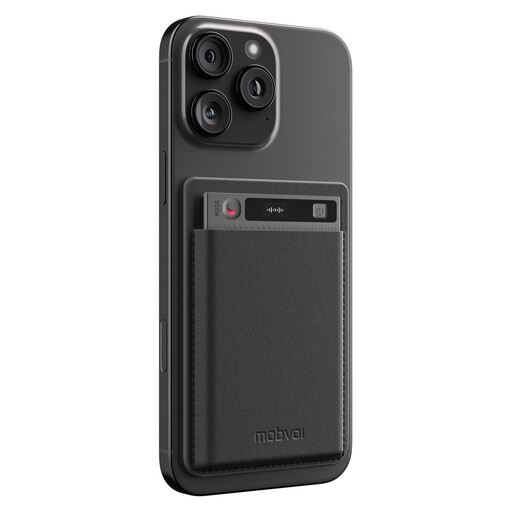
Mobvoi TicNote Lite AI Voice Recorder, 4 GB, Black
This model could be a good voice recorder for conversations away from a permanent computer setup.
The product name specifies 4 GB of storage and support for 120+ languages.
View at Joybuy
 No image available
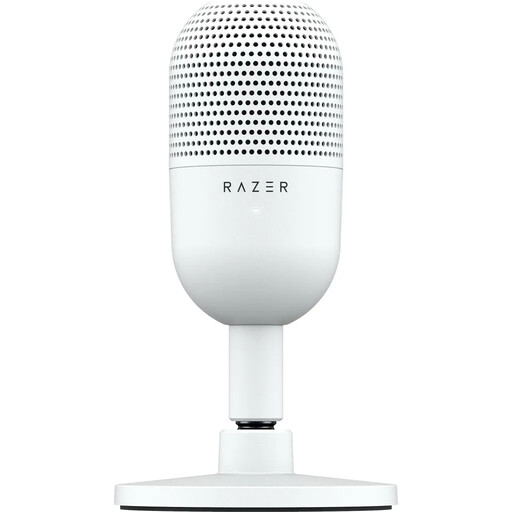
Razer SEIRÉN V3 MINI White USB-Mikrofon
This USB microphone is suited to a permanent recording setup. Check that its connection is compatible with your recording device.
The product name specifies a white version with tap-to-mute.
View at Joybuy
 No image available
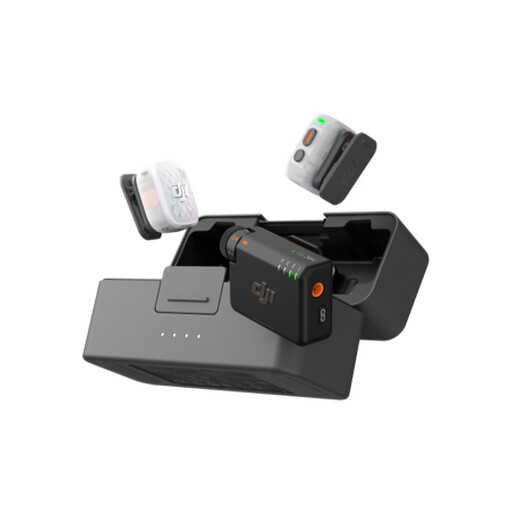
DJI Mic Mini 2S (2 TX + 1 RX + Charging Case)
With two transmitters, this kit could work for two microphone positions if you want to record both people in the conversation.
The product name specifies two transmitters, one receiver and a charging case. Check that the receiver is compatible with your recording device before you buy.
View at Joybuy
 No image available
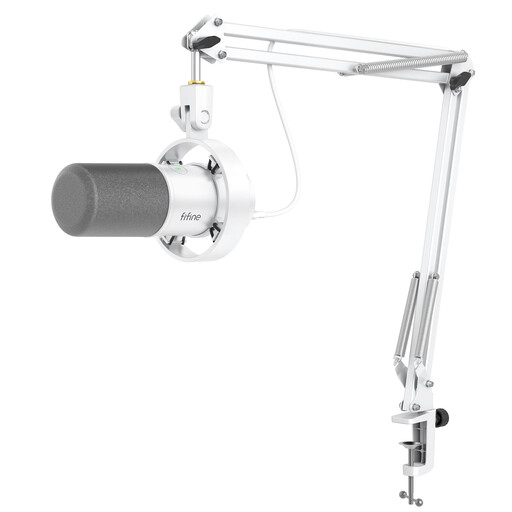
FIFINE K688CTW USB/XLR microphone with boom arm, white
The boom arm is useful for a permanent recording setup, as long as you can position the microphone appropriately for the person speaking.
USB and XLR connections are listed. A separate XLR cable is required and is not included.
View at Joybuy
 No image available
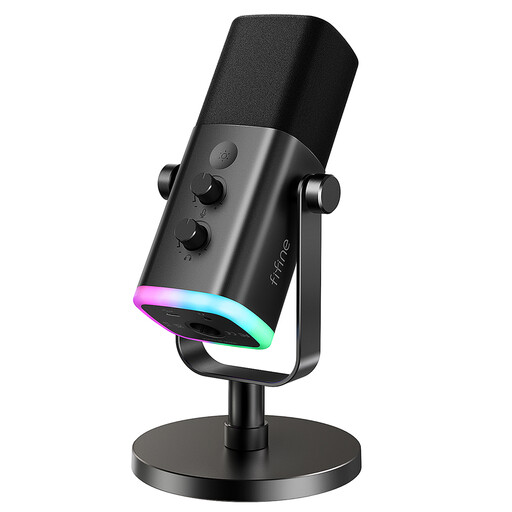
FIFINE AM8 USB/XLR microphone with desk stand
The desk stand suits a permanent recording setup, as long as USB or XLR is compatible with your recording device.
The product name specifies USB/XLR and a desk stand. A separate XLR cable is required and is not included.
View at Joybuy
Frequently asked questions
Can I simply record a seated interview in Germany?
Recording another person’s non-public spoken words without authorisation may fall under Section 201(1) of the German Criminal Code (StGB). The Federal Court of Justice quoted the wording of this provision in a press release dated 14 November 2025. Discuss the recording with everyone involved before you begin. Whether data protection obligations also apply depends, among other things, on how the recording is processed and for what purpose.
Does consent to being recorded automatically cover every later use?
No. You should clarify both the recording and any later processing or publication for the intended purpose. Where the GDPR applies to the processing of personal data, a lawful basis is required. When data is collected directly, information obligations generally apply. Consent is one possible lawful basis, but it is not the only one.
How can I avoid rubbing noises from a lavalier microphone?
Attach the microphone so that no other clothing rubs against it, then make a short test recording in your usual seated position and listen back. RØDE generally recommends positioning lavalier microphones around 20–30 cm from the mouth. This is the manufacturer’s recommendation, not a general limit.
When making a complaint, what is the difference between statutory rights and a guarantee?
If an item you have bought is faulty, you have statutory rights against the seller. An additional guarantee is voluntary, and its terms should be checked separately. The Verbraucherzentrale (German consumer advice centre) explicitly distinguishes between these two types of claim.


