
Lieferung heute & morgen

Qualitätsgarantie

Willkommens-Angebote freischalten: KOSTENLOSE Lieferung | Bis zu 80 % RABATT | Kostenlose 30-Tage-JoyPlus-Testphase
App herunterladen
Small flats, apartments, lofts and teenagers’ bedrooms place particular demands on interior design. A sofa or bench should be comfortable without blocking walkways. At the same time, many households need extra storage space. Seating for small spaces therefore needs to look the part, but above all it must deliver on dimensions, weight capacity, materials and assembly.
A small sofa often looks more compact in product photos than it actually is in a room. In addition to width, depth and height, you need to allow space for doors, drawers, armrests and movement. Packaging dimensions are also important if the furniture needs to be carried through a narrow hallway or tight staircase.
Before buying, measure:
A stated maximum weight capacity is a technical guideline, not an invitation to use the furniture permanently at its limit. Check whether it refers to a static total load and whether the figure applies to the complete seating unit or only to individual components.
With a storage bench, the lid should also sit fully in place. Items inside must not protrude, as they can affect the contact surface and stability.
Velour, chenille, linen-look fabric and faux leather differ in their cleaning requirements and suitability for everyday use. Fabric covers generally need regular vacuuming, while coated surfaces can often be wiped with a slightly damp cloth. Harsh cleaning products, bleach and abrasive sponges can damage the surface.
The colour should also suit how the furniture will be used: visible dirt in a busy entrance hall needs to be assessed differently from dirt in a bedroom that is rarely used.
A small sofa or mini sofa measuring around 140 to 170 cm wide may be suitable for singles and couples. However, width alone says little about seating comfort. Also check:
A 2-seater sofa measuring 165 cm wide is not automatically suitable for every small room. The key factors are the combination of floor space, passageway clearance and seating position.
For a sofa in a small flat, the frame material, suspension and padding are important points of comparison. Wooden frames and wooden legs can indicate a sturdy construction, provided the connections are assembled correctly and checked regularly. Foam and sprung padding differ in firmness and how well they regain their shape.
The lid construction is particularly important for benches with storage. MDF panels, metal reinforcements and a lid that closes neatly are objectively verifiable features. For a hallway, a cover that can be cleaned with an upholstery attachment is a sensible choice. A padded bench at the foot of the bed, on the other hand, can be chosen more for its design and seat height.
A storage bench or storage chest makes double use of the available space: as a seat and as storage for blankets, cushions, books or shoes. Before buying, check:
In small rooms, a storage stool bench with compartments may be more practical than an additional shelving unit. For heavy items, however, follow the manufacturer’s specifications for weight capacity and lid use.
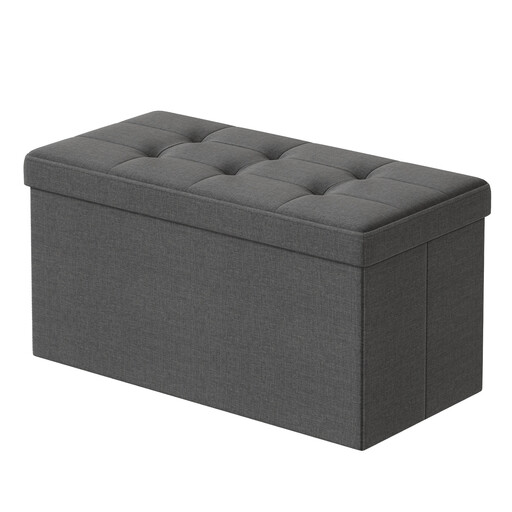
Why this product suits this profile: The 76 cm-wide storage bench is ideal for smaller hallways, bedrooms or alcoves, while providing an additional internal volume of 89 litres.
The product dimensions and volume are clearly stated. The foldable design can make storage easier when the bench is not in use.
38 x 76 x 38 cm, 89 litres of storage and a stated maximum weight capacity of 300 kg.
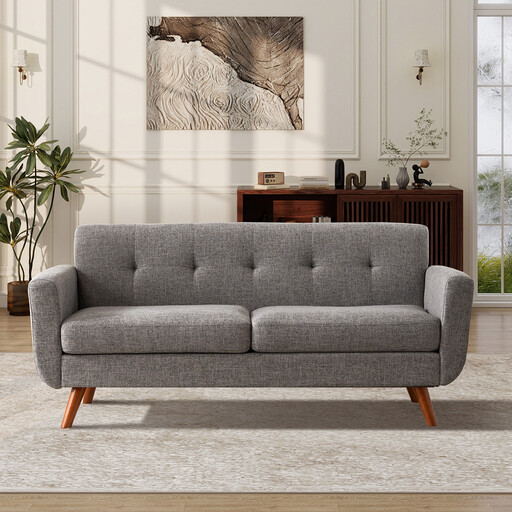
Why this product suits this profile: Measuring 165.5 cm wide, this loveseat is designed for couples or households looking for a full-size seating option for the living room, bedroom or loft.
The overall dimensions, product weight of 30.3 kg and included assembly kit are specified. This makes it easier to plan transport.
165.5 x 81 x 83 cm, spring-and-foam cushion padding and FSC-certified wooden components according to the product details.
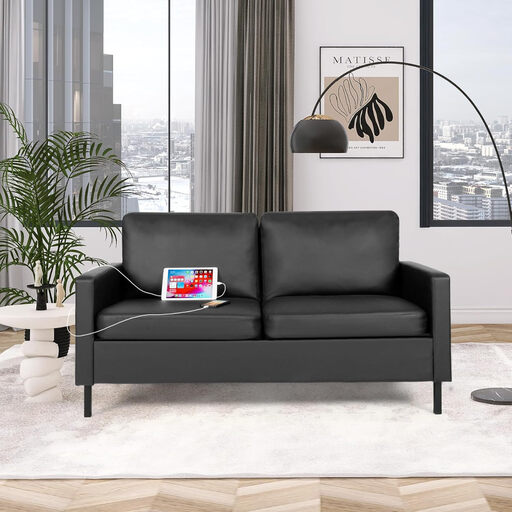
Why this product suits this profile: Its 143 cm width suits apartments, teenagers’ bedrooms and small living rooms. The USB and Type-C ports are useful for anyone who wants to charge devices while seated.
The compact seat width is stated as 143 cm. According to the product description, assembly takes around 15 to 30 minutes.
143 x 63 x 86 cm, maximum weight capacity of 263 kg according to the product details and two upholstery options.
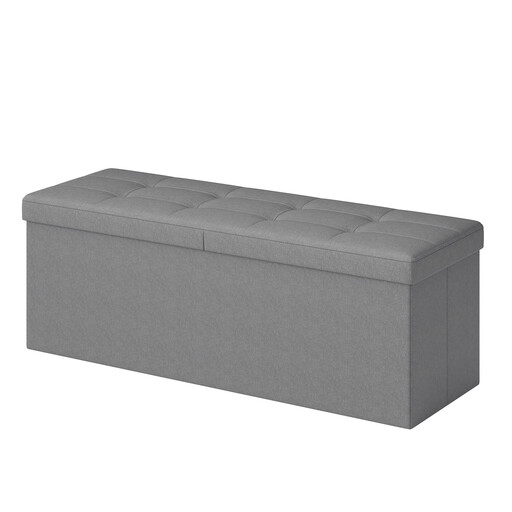
Why this product suits this profile: This model can be used in the entrance hall, living room or bedroom as a storage chest, footstool or surface for placing items.
The folding design can be stored away to save space when not in use. The manufacturer’s specifications also clearly state restrictions on using the lid.
38 x 110 x 38 cm, 131 litres of storage and a stated maximum weight capacity of 300 kg.
We have put together a complete, regularly updated list of products that fully meet these strict selection criteria and the safety regulations applicable in the EU.
Before ordering, check whether assembly is required and what tools are included. With a sofa made up of separate parts, insert the screws finger-tight first and only tighten them once everything has been fully aligned. With benches, the legs must be firmly attached to the frame. Check the connections again after the first few uses.
Depending on the product description, compressed upholstered furniture often needs time to expand after delivery. The furniture should not be subjected to heavy use during this time. Always follow the enclosed instructions.
For care:
For compact floor plans, consider a mini sofa around 140 to 150 cm wide, a narrow padded bench or a storage chest. Models with storage serve several purposes and can partly replace additional cupboards. The actual dimensions and required movement space remain decisive.
That depends on the depth and armrests. A 2-seater sofa generally offers more substantial back padding and greater comfort when sitting for longer periods. A bench is often shallower and can be used at the foot of the bed, in the hallway or beneath a window. A bench with storage also provides additional practical value.
Its lifespan depends on the frame, padding, upholstery, load, and care. Look for clear information about the materials, maximum weight capacity and assembly. Regularly tightening the screws, positioning the furniture on a level surface and using the appropriate cleaning method can help prevent premature wear.