
Lieferung heute & morgen

Qualitätsgarantie

Willkommens-Angebote freischalten: KOSTENLOSE Lieferung | Bis zu 80 % RABATT | Kostenlose 30-Tage-JoyPlus-Testphase
App herunterladen
Seaweed snacks come in many varieties in the UK: roasted seaweed sheets, crispy seaweed snacks, seasoned rolls and Korean seaweed flakes. However, products can differ considerably in texture, seasoning, portion size and intended use. If you choose based only on the packaging or flavour, it’s easy to overlook important details.
Three common buying misconceptions are particularly worth bearing in mind:
Thin roasted sheets, rolls and portioned seaweed crisps are ideal for eating straight from the pack. If you’re looking for a snack to take with you, check whether the portions are individually wrapped. Rolls are compact and easy to eat without cutlery.
Flakes such as Korean jaban seaweed, on the other hand, are versatile and work well with hot dishes. They go with rice, noodles, soups, salads and rice balls. Kimbap seaweed sheets should be large and sturdy enough to roll around rice and other ingredients.
The term “nori snack” doesn’t automatically mean a standard recipe. Some products are made mainly from seaweed, oil and salt. Others are seasoned with sesame, sugar, barbecue flavours, soya sauce, chilli or fish powder.
If you’re looking for an Asian seaweed snack with a bold flavour, check the ingredients before you buy. For a spicy seaweed snack, for example, look out for chilli or pickled chillies. A product containing fish powder won’t be suitable for anyone with a fish allergy. Sesame and soya allergies should also be taken into account.
Pack size can make it harder to compare products fairly. A product weighing 20 or 24 grams contains much less than the figures per 100 grams might suggest. For example, a 24-gram pack of Seleco Roasted Fish Seaweed Snack is listed as containing 103 kcal per pack; the ingredients also include fish powder.
According to the product information, WEILONG Spicy Kelp 50g contains 91 kcal and 3.0 grams of salt per 100 grams. LYFEN Crispy Kelp Knots 132g is labelled as containing 68 kcal and 4.0 grams of salt per 100 grams. These figures aren’t a blanket assessment of the products; they’re there to help you choose according to your tastes and dietary plans.
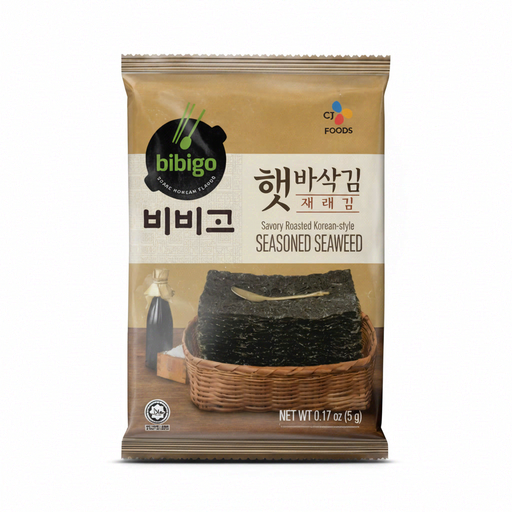
Why this product suits you: The 20-gram pack is a good way to try roasted seaweed and can be enjoyed as a snack or used as a topping.
The ingredients and nutritional values are given for the small pack, making it easier to judge the portion size before you buy.
According to the product information, the recipe contains seaweed, rapeseed oil, sesame oil and salt; the product is labelled as vegetarian.
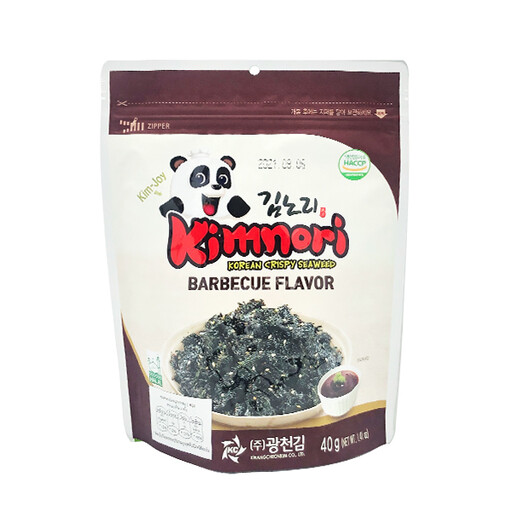
Why this product suits you: These flakes are ideal if you want to enjoy Korean seaweed as a snack and add it to rice dishes, noodles or salads.
The product information lists 75% seasoned seaweed flakes, along with rapeseed oil, barbecue sauce and salt, so you can see what gives it its flavour.
Smoky barbecue seasoning, crispy flakes and several suggested ways to enjoy them as a side or topping.
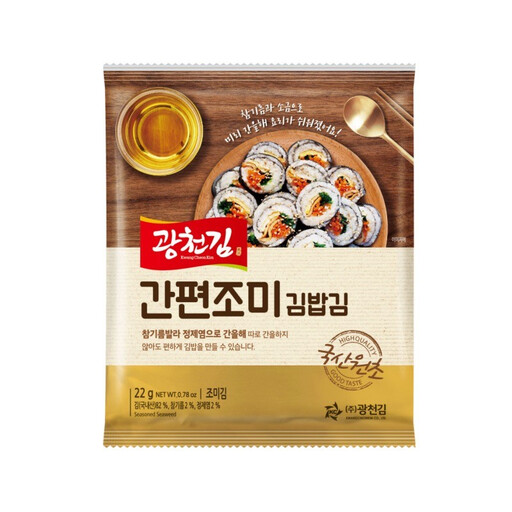
Why this product suits you: The pack contains ten individual sheets, ideal for kimbap, rice rolls or enjoying one portion at a time.
The number of sheets and the net weight are clearly stated. This makes it easier to plan for several portions and reduces the risk of buying the wrong quantity.
10 roasted, seasoned sheets; the ingredients list states that they contain 82% seaweed, along with rapeseed oil, sesame oil and salt.
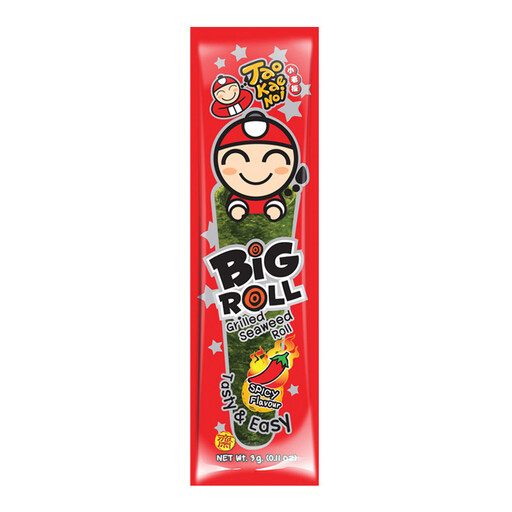
Why this product suits you: The single 3-gram roll is designed as a small, savoury snack for the office, lunchbox or on the go.
The small portion makes it clear how much you’re actually eating. The ingredients list also identifies sesame, soya and wheat as allergens.
Roasted roll format, seasoned with sugar, salt, sesame oil, sesame and soya sauce powder; ready to eat according to the product information.
We’ve put together a complete, regularly updated list of products that meet these strict selection criteria and fully comply with the safety regulations applicable in the EU.
Seaweed sheets quickly absorb moisture from the air. Once opened, the pack should be sealed as tightly as possible and stored in a cool, dry place. Direct sunlight and heat can affect the texture. Flakes and rolls are best eaten soon after opening.
Portion size is also worth considering for families. Small individual packs are handy for lunchboxes and snacks on the go. Larger bags may be more practical for sharing or adding as a topping while cooking. For children, take care with small pieces and check the relevant allergen information.
According to the product information, the products listed here are ready to eat. Kimbap seaweed sheets can be eaten as a snack or used to wrap rice. Flakes also work well as a side or topping.
There’s no set answer, as packaging, humidity and storage conditions all play a part. Once opened, roasted seaweed, rolls and flakes should be eaten as soon as possible and stored in an airtight container. Always follow the specific guidance on the manufacturer’s packaging.
Check the ingredients list and allergen information before buying. Depending on the product, these may mention fish, sesame, soya, wheat or possible traces of molluscs and crustaceans. Always refer to the labelling on the individual pack.