
Lieferung heute & morgen

Qualitätsgarantie

Willkommens-Angebote freischalten: KOSTENLOSE Lieferung | Bis zu 80 % RABATT | Kostenlose 30-Tage-JoyPlus-Testphase
App herunterladen
Whether as a crispy alternative to potato chips, a savory topping for rice dishes, or an authentic ingredient for homemade sushi—seaweed snacks have evolved from a niche product to a staple in many kitchens. But the growing selection makes choosing difficult. Not every product marketed as a "healthy snack" delivers on its promise. Many buyers are disappointed by a soggy texture or an unexpectedly high sugar content.
This guide will help you avoid the common pitfalls when buying seaweed chips and similar snacks. We'll show you the crucial features to look for to find the exact seaweed snack that fits your needs—whether for snacking, cooking, or garnishing.
Before you buy roasted seaweed, you should be aware of the most common issues that can lead to a bad purchase.
To find the right seaweed snack, focus on three objective characteristics. These will help you quickly assess a product's quality and intended use.
The production method significantly determines the texture, flavor, and nutritional profile.
The form provides a clear indicator of its potential uses.
A close look at the ingredients is essential. Pay attention to the type of oil used (high-quality sesame or olive oil versus palm oil), the salt content, and the presence of sugar or flavor enhancers (e.g., E621/monosodium glutamate). Authentic products often rely on a short ingredients list to highlight the pure seaweed flavor.
Based on these criteria, we have put together a selection of products suited for different needs and taste preferences.
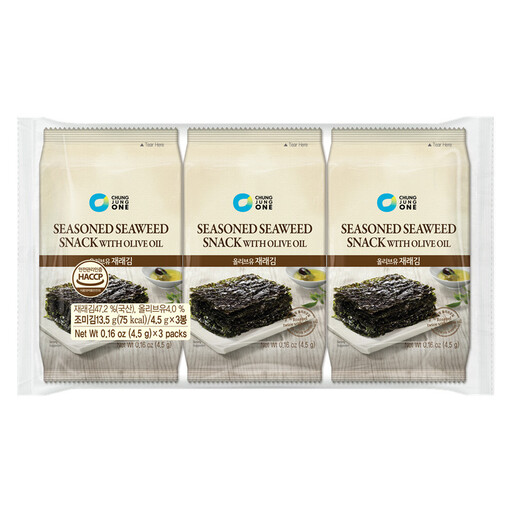
Why This Fits Their Persona: Ideal for anyone looking to experience the classic, authentic taste of roasted seaweed. The small 4.5-gram portion packs are perfect for trying them out or for on-the-go snacking without having to open a large bag.
The individual packs guarantee maximum crispiness every time you open one, bypassing the problem of soggy seaweed. The ingredients list is short and transparent, with no hidden sugar.
Classic, lightly salted flavor with olive oil. The portion size prevents overeating and ensures long-lasting freshness.
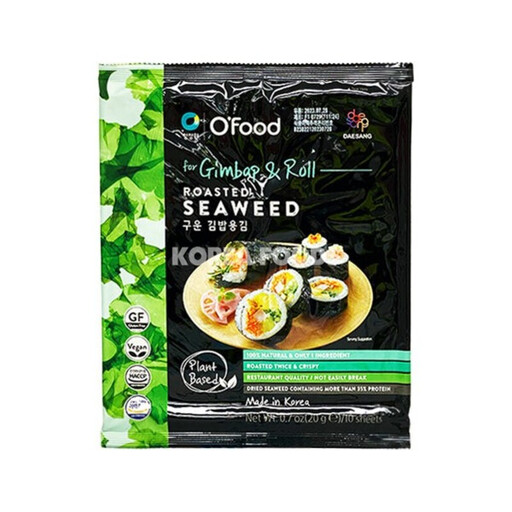
Why This Fits Their Persona: For anyone who wants to prepare authentic sushi or kimbap at home. These sheets have the right size, thickness, and tear resistance for rolling and are kept neutral in flavor.
The clear "for Sushi" label prevents buying the wrong type. The product is 100% seaweed, with no additives, thus avoiding the trap of hidden fats or seasonings.
Made from just one ingredient, it provides a pure, unadulterated base for culinary creations. The sheets are robust enough for rolling yet tender enough for a pleasant bite.
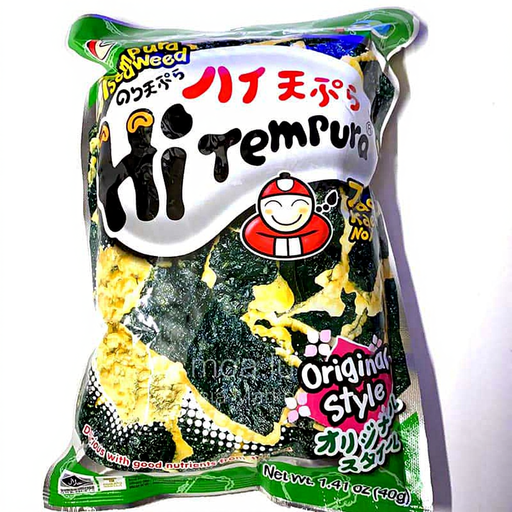
Why This Fits Their Persona: For those seeking a snack with intense flavor and an exceptionally crispy texture. The tempura batter makes this snack from Taokaenoi a savory and satisfying treat.
The product is clearly labeled as "Tempura Seaweed," so the buyer knows it's a fried and therefore richer option. There are no misleading health claims.
Offers a unique, extra-crispy texture from the batter coating. The intense umami flavor, enhanced by garlic and pepper, delivers a full-bodied snacking experience.
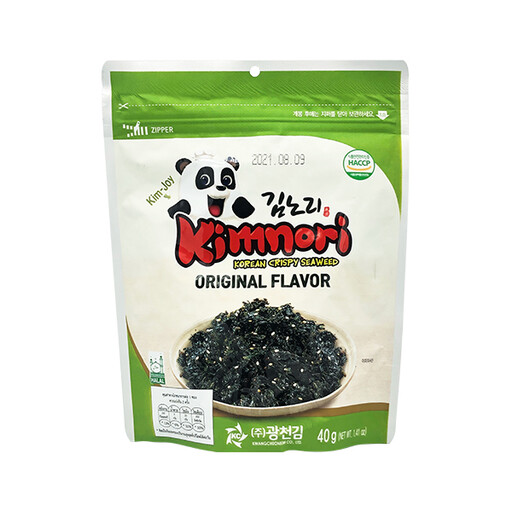
Why This Fits Their Persona: Perfect for anyone looking to quickly and easily elevate their dishes. These seaweed flakes, also known as "rice thief" in Korea, are specifically designed to be sprinkled over rice, noodles, soups, or salads.
The "flakes" (Jaban) format clearly defines its use as a topping, preventing confusion with sushi nori. The seasoning isn't a hidden additive but the product's central feature.
Extremely versatile as a crispy, savory topping. The combination of roasted seaweed, sesame oil, and sea salt creates a deep, nutty, and savory umami flavor.
We have compiled a complete, up-to-date list of products that fully meet these strict selection criteria and local regulations.
Although they are all made from seaweed, they differ in type and use.
The most important rule is to protect them from moisture. Store the snacks in their original, tightly sealed packaging in a cool, dry place. After opening a larger package, it is advisable to transfer the contents to an airtight container. Some packages include a small desiccant packet—leave it in the container to absorb any remaining moisture.
It largely depends on the processing method. Roasted seaweed (Gim) is generally significantly lower in calories and fat than fried potato chips. They also offer plant-based protein and minerals. However, fried seaweed chips or tempura seaweed can have a fat and calorie content similar to potato chips. A look at the nutrition facts per 100 grams will quickly clarify this. In general, roasted varieties offer a lighter snacking option.