
Lieferung heute & morgen

Qualitätsgarantie

Willkommens-Angebote freischalten: KOSTENLOSE Lieferung | Bis zu 80 % RABATT | Kostenlose 30-Tage-JoyPlus-Testphase
App herunterladen
By the Joybuy Product Recommendation Officer, July 28, 2026
Seaweed snacks are taking over the snack aisles in the UK. From paper-thin nori sheets to savory seaweed strips, the variety is immense. However, not every choice leads to a satisfying snacking experience. Often, appealing packaging hides products that fall short of expectations in texture, flavor, or ingredients. This guide will help you avoid the common pitfalls and find the perfect seaweed snacks for your palate.
The selection can be overwhelming. Many products advertise their oceanic origins, but the quality and taste experience depend on details often found in the fine print.
1. The "Healthy" Image Trap: Seaweed is considered nutrient-rich, but that doesn't automatically make a seaweed snack a low-calorie option. Many products contain high amounts of oil, salt, or sugar to maximize flavor and crispiness. A glance at the nutritional information is essential to prevent a supposedly light snack from becoming a calorie bomb.
2. Disappointing Texture: The expectation is often a crispy bite, similar to potato crisps. The reality, however, can be quite different. Depending on the type of seaweed and processing method, the texture can range from paper-thin and brittle to tough and rubbery, or even unexpectedly soft. Products that are not in airtight packaging or have been stored for a long time quickly lose their crispiness.
To avoid disappointment, you should check two or three basic features before buying. These will give you a clear idea of what to expect from the product.
The foundation of any seaweed snack is the seaweed itself, but the variety and its processing method are crucial in determining texture and flavor.
The ingredient list reveals more than just the contents; it provides insight into the actual flavor profile.
To make your decision easier, we have matched some products from our range to different user profiles.
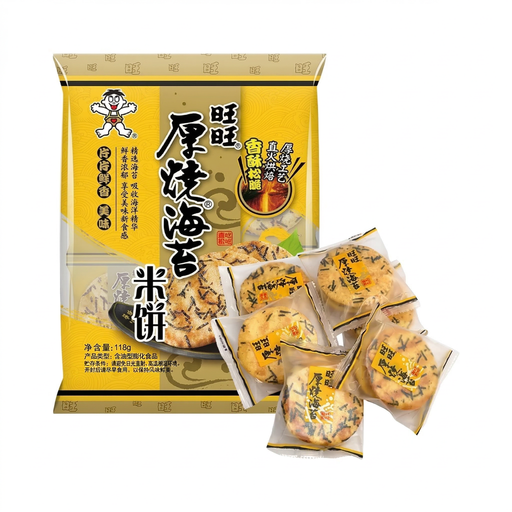
Why This Fits Their Persona: Ideal for those who appreciate the familiar, savory crunch of rice crackers combined with the umami flavor of roasted seaweed. A straightforward and reliable snack.
The rice cracker base ensures a guaranteed crispy texture, avoiding the risk of a soft or chewy seaweed sheet. The flavor is well-defined and not overly complex.
Individually wrapped to preserve freshness and crispiness. The combination of rice and seaweed provides a satisfying texture.
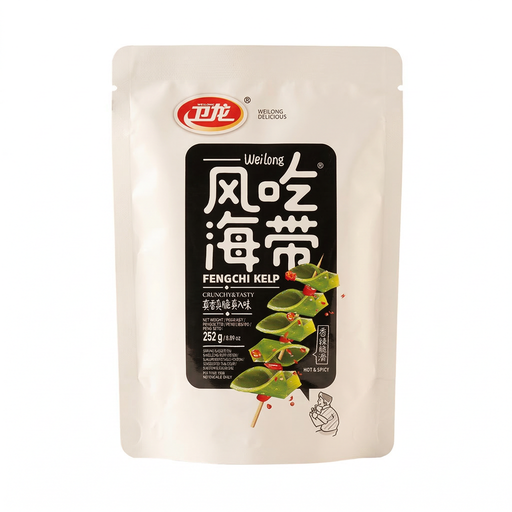
Why This Fits Their Persona: Perfect for adventurous eaters looking for authentic, bold, and spicy snacks. This snack offers a complex, spicy-sour flavor profile typical of Sichuan cuisine.
The texture is clearly declared as chewy, marinated kelp, not a crispy chip. The flavor profile is precisely described with ingredients like chili, Szechuan pepper, and pickled ginger.
Made with 76% seaweed. The individual packs are convenient for on-the-go snacking and as a side dish for meals.
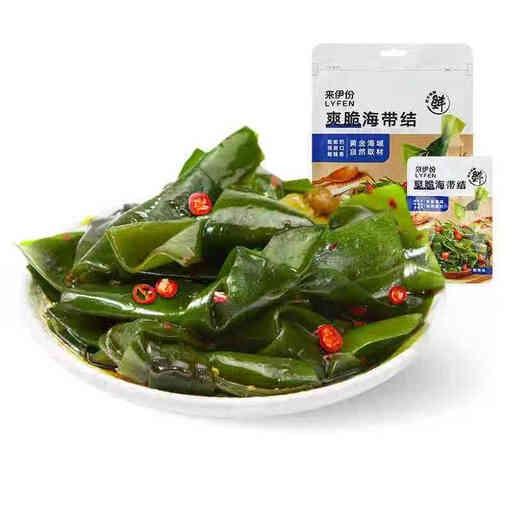
Why This Fits Their Persona: For those who want a flavorful, guilt-free snack. These kelp knots offer a spicy kick while being low in calories and fat.
This product debunks the assumption that spicy snacks must be high in calories. The nutritional information is transparent and confirms its low energy value (68 kcal/100g according to the manufacturer).
Sugar-free and low-fat. The individual packaging makes it a convenient snack for the office or on the go.
We have compiled a complete, up-to-date list of products that fully meet these strict selection criteria and UK regulations.
1. How do I store seaweed snacks properly to keep them crispy? Crispy seaweed snacks like seaweed crisps or nori sheets are hygroscopic, meaning they absorb moisture from the air. Once opened, they should be stored in an airtight container in a cool, dry place. Avoid storing them in the refrigerator, as condensation can make the snacks soggy.
2. Are seaweed snacks a good choice for a low-calorie diet? It heavily depends on the specific product. Marinated seaweed salads or simply roasted nori sheets can be very low in calories. However, deep-fried seaweed crisps or snacks with high sugar and oil content are not. The key is to read the nutritional information and the ingredient list. Brands like Bestore or Want Want often offer a wide range, from light to more indulgent options.
3. What is the difference between Nori, Kombu, and Wakame in snacks? These three types of seaweed have different characteristics. Nori is thin, roasted, and forms the base for most crispy seaweed snacks. Kombu (also called kelp) is a thick, robust seaweed that is often cut into strips and marinated, resulting in a chewy texture. Wakame is less commonly used in snacks but is well-known from soups and salads and has a silky, slightly chewy consistency.