
Lieferung heute & morgen

Qualitätsgarantie

Willkommens-Angebote freischalten: KOSTENLOSE Lieferung | Bis zu 80 % RABATT | Kostenlose 30-Tage-JoyPlus-Testphase
App herunterladen
Seaweed snacks, also known as seaweed crisps, have evolved from a niche specialty into a popular alternative to conventional potato chips. But the growing selection also brings challenges. Many consumers find that after purchase, the product doesn't meet their expectations. The most common disappointments include:
This guide will help you avoid these pitfalls and find the right seaweed snacks for your taste and intended use.
To make an informed decision, you should consider three key features before buying roasted seaweed. These parameters determine the product's texture, flavour, and freshness.
Not all seaweed snacks are created equal. The texture largely depends on the type of seaweed and how it's processed.
The flavour of a seaweed snack is largely determined by its seasoning and the oil used.
Packaging is crucial for preserving crispness. Since roasted seaweed is hygroscopic (meaning it absorbs moisture from the air), it quickly becomes soft.
Based on the criteria above, we have put together a selection of products to suit different preferences and use cases.
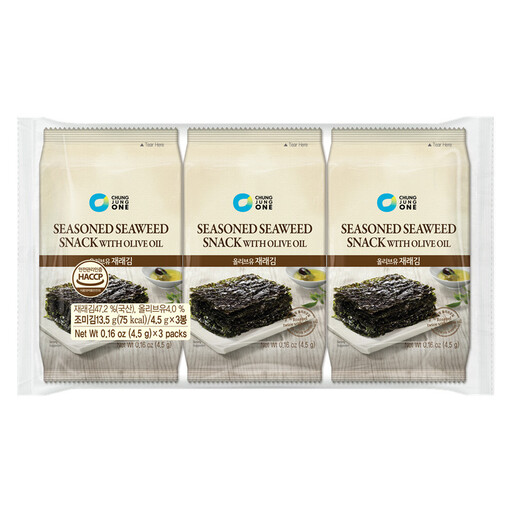
Why This Fits Their Persona: Ideal for anyone looking to try the classic Korean seaweed snack. The flavour is mildly salty and not too intense, making it very approachable.
The packaging in three small, individual portions prevents the snack from going soft. The seasoning with olive oil and salt is transparent and avoids hidden sugars.
Classic, crispy gim snack. Convenient portion size guarantees freshness. Refined with olive and sesame oil for a well-rounded flavour.
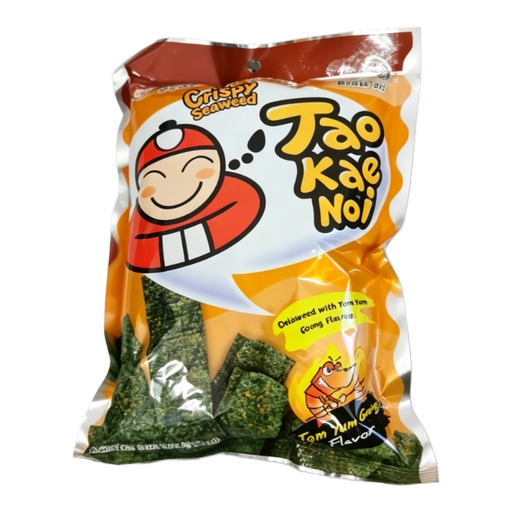
Why This Fits Their Persona: Perfect for lovers of Asian cuisine seeking an authentic and intense flavour experience. The seasoning is inspired by the famous Thai Tom Yum soup.
This product doesn't advertise with a vague health promise, but with a clear, bold flavour profile. You buy this product specifically for its spicy-sour aroma.
Authentic Tom Yum Goong flavour with notes of lemongrass and chilli. The sheets are roasted extra crispy and offer an intense bite.
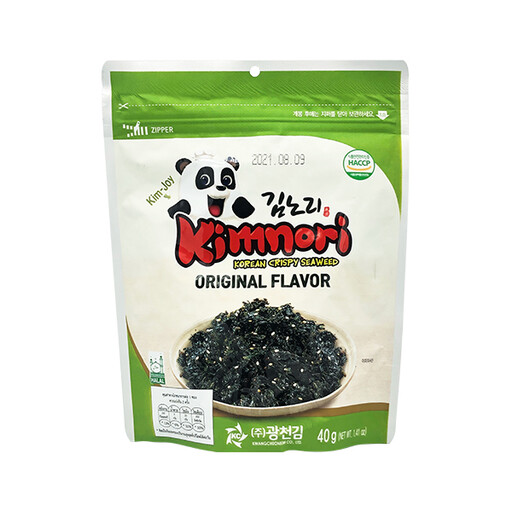
Why This Fits Their Persona: This product is an all-rounder. The seasoned seaweed flakes (Gimjaban) are excellent as a crispy topping for rice dishes, soups, and salads, but can also be snacked on straight from the bag.
The clear designation as "Flaked & Seasoned Seaweed" (Gimjaban) makes its purpose as a topping and snack clear. This prevents a bad buy if you were expecting large sheets.
Very versatile in the kitchen. The mix of seaweed, sesame oil, and roasted sesame seeds creates a nutty, savoury flavour profile.
We have compiled a complete, up-to-date list of products that fully meet these strict selection criteria.
Opened seaweed snacks should be immediately stored in an airtight container in a cool, dry place. Avoid the refrigerator, as the moisture can make the sheets soft. For optimal crispness, consume the contents quickly after opening.
Most simple, salted seaweed snacks are purely plant-based. However, with seasoned varieties, it's advisable to check the ingredients list. Some flavours, especially those with seafood aromas like Tom Yum Goong, may contain shrimp powder or other animal-derived ingredients.
Nori sheets for sushi (often called Yaki Nori) are typically larger, thicker, and unsalted. Their more robust structure is designed to hold rice and fillings together without tearing. A seaweed snack, on the other hand, is thinner, already cut into bite-sized pieces, seasoned, and roasted to be extra crispy, making it ideal for direct consumption.