
Lieferung heute & morgen

Qualitätsgarantie

Willkommens-Angebote freischalten: KOSTENLOSE Lieferung | Bis zu 80 % RABATT | Kostenlose 30-Tage-JoyPlus-Testphase
App herunterladen
The search for diverse and interesting nibbles is increasingly leading to seaweed snacks. Originally a staple of Asian cuisine, these savoury and crispy treats have also become established worldwide. However, the variety of shapes, flavours, and textures can be overwhelming. This article serves as a guide. It explains the differences between the most common types of seaweed snacks and presents a selection of products to make your purchasing decision easier.
To find the perfect snack for your palate, a few criteria can help with your selection. Keeping these points in mind makes it easier to choose a product that matches your personal preferences.
Texture is a crucial characteristic of seaweed snacks. The three most common varieties are:
The flavour profile of seaweed snacks is often shaped by their origin. Korean products, like the aforementioned seaweed flakes, frequently feature a nutty aroma from the use of sesame oil. Thai brands like Taokaenoi often offer a broader range of flavours, which can range from classic salty to hot or spicy. A look at the product description and ingredients list will give you an idea of the expected taste experience.
For health-conscious consumers, vegans, or individuals with allergies, the ingredients list is particularly important. While simple roasted seaweed often consists of just seaweed, oil, and salt, other varieties may contain additional ingredients. Tempura seaweed, for example, typically contains wheat flour and sometimes egg. Other products might include sugar or flavour enhancers. A careful review of the ingredients ensures that the product meets your personal dietary requirements.
Here you will find a curated selection of products that represent the diversity of seaweed snacks. Each product is presented with its specific characteristics to help you make an informed decision.
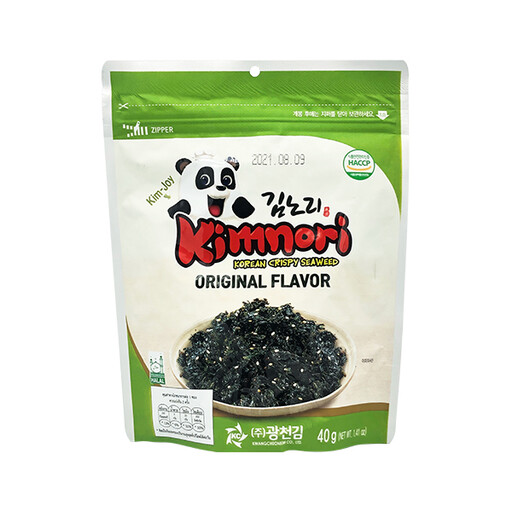
What makes this product stand out These Korean seaweed flakes, also known as Gimjaban, are a traditional side dish in Korea. The name "bapdoduk" (rice thief) hints at just how well they pair with rice. The finely shredded seaweed is roasted and seasoned with sesame oil, toasted sesame seeds, and sea salt. According to the manufacturer, this preparation method dates back to traditional cookbooks from the Joseon Dynasty, giving the flakes a distinct nutty and savoury umami flavour.
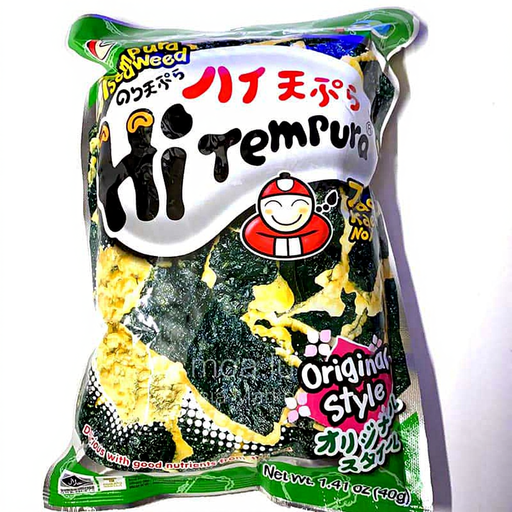
What makes this product stand out The tempura seaweed from Taokaenoi is a classic Thai snack known for its exceptionally crispy texture. Each seaweed sheet is coated in a light tempura batter made from wheat flour and then deep-fried. The result is a snack with significantly more crunch and volume than conventional seaweed chips. The seasoning with garlic, white pepper, and chilli powder provides a full-bodied umami flavour.

What makes this product stand out This product from Taokaenoi represents the classic nori sheet snack. The seaweed sheets are processed into thin, crispy leaves and seasoned simply with palm oil, salt, and white pepper. The focus here is clearly on the natural flavour of the seaweed. According to the manufacturer, a modern production process is used to preserve the nutritional value of the seaweed.
If the products featured here don't quite match what you're looking for, or if you're curious about other varieties, it's worth taking a look at our broader range. There you'll find a larger selection if you want to buy seaweed chips or discover other specialities.
? Discover our entire selection of edible seaweed here
Seaweed snacks are edible products made from marine algae (usually of the Porphyra genus, known as Nori). They are typically roasted, seasoned, and offered in various forms, including thin sheets, shredded flakes (Gimjaban), or pieces fried in batter (Tempura Seaweed).
Korean seaweed flakes are extremely versatile. The most common use is to sprinkle them over freshly cooked rice. They are also excellent for making Korean rice balls (Jumeokbap) by mixing them with rice and optional additional ingredients like tuna and mayonnaise. Furthermore, they can be used as a crispy topping for noodle soups, salads, or even on a simple slice of buttered toast.
Many seaweed snacks are naturally vegan, as they consist only of seaweed, vegetable oil, and spices. This is often true for classic roasted nori sheets and many Gimjaban products. However, it is important to check the ingredients list. Some varieties, especially Tempura Seaweed, may contain animal products like egg white powder. Traces of crustaceans may also be present from harvesting, which could be relevant for strict vegans.