
Lieferung heute & morgen

Qualitätsgarantie

Willkommens-Angebote freischalten: KOSTENLOSE Lieferung | Bis zu 80 % RABATT | Kostenlose 30-Tage-JoyPlus-Testphase
App herunterladen
By the Joybuy Product Recommendation OfficerDate: 2026-07-28
Seaweed snacks have evolved from a niche product into a supermarket staple. Their promise of umami flavour and a potentially lighter alternative to traditional crisps is tempting. But anyone who has opened a disappointing packet of soggy or over-salted seaweed knows that not all products deliver on their promise. Before you order seaweed online again, you should understand the common pitfalls to make an informed choice.
To avoid the pitfalls mentioned above, it helps to focus on a few objective characteristics. These three parameters will help you better assess the quality and character of a seaweed snack.
Texture is everything for a good snack. The processing method provides the crucial clue:
The truth about a snack is hidden in the nutrition facts and the ingredients list. Pay attention to the following:
The origin often gives a clue to the expected flavour profile.
Instead of making a one-size-fits-all recommendation, we have selected products for different flavour profiles and needs.
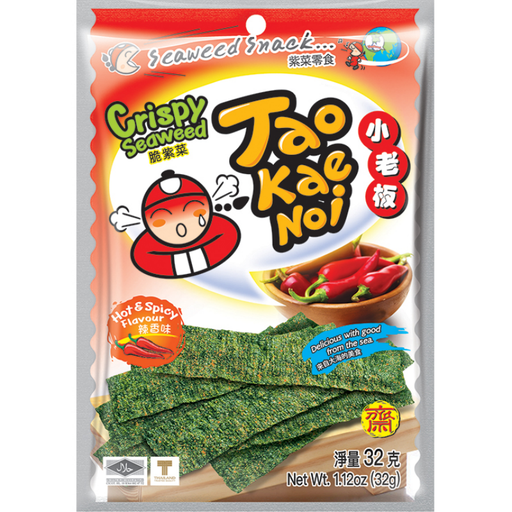
Why This Fits Their Persona: Ideal for anyone who finds conventional snacks too boring and is specifically looking for a fiery kick that goes beyond mild seasoning.
This product avoids the "flavour lottery" by delivering a clear and present heat. The seasoning with chilli powder (2%) is direct and doesn't taste artificial.
The high proportion of seaweed (85%) provides an authentic base. The crispy texture is maintained despite the seasoning.
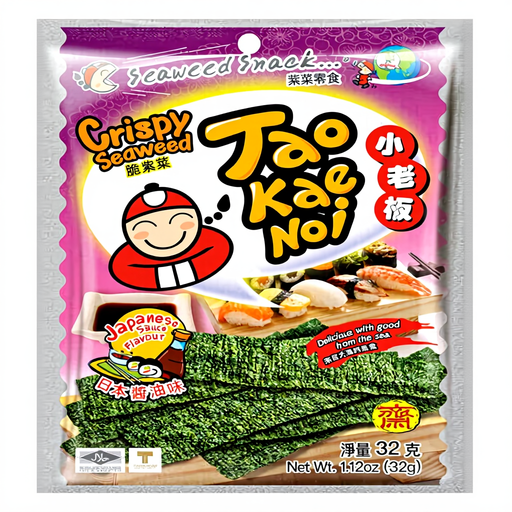
Why This Fits Their Persona: Perfect for snack lovers who prefer complex, savoury-sweet flavours over pure heat or saltiness and appreciate a deep umami taste.
Avoids the "health trap" of being a sugar bomb. According to the nutritional information, the product contains only 0.1g of sugar per 100g, relying instead on a balanced, savoury flavour.
The seasoning with a Japanese sauce blend creates an authentic, savoury taste. The high seaweed content of 85% ensures a solid, crispy base.
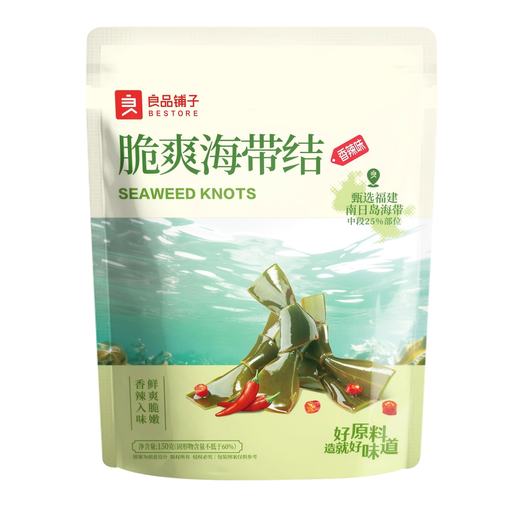
Why This Fits Their Persona: An excellent choice for anyone bored with the usual crispy sheets and looking for a snack with more bite and a chewier, more substantial texture.
Solves the "crispiness disappointment" by not even trying to be crispy. Instead, it offers a tender yet firm texture that is a clear and welcome change of pace.
Ready-to-eat, marinated kelp knots that combine a spicy, umami-rich flavour with an interesting, chewy consistency. The individual sachets are convenient for on-the-go snacking.
We have compiled a complete, up-to-date list of products that fully meet these strict selection criteria and UK/EU regulations.
1. How do I store seaweed snacks properly to keep them crispy? Opened packets should always be stored in an airtight container in a cool, dry place. Moisture is the greatest enemy of crispiness. Thin, roasted nori sheets, in particular, tend to soften quickly and should therefore be consumed promptly after opening.
2. Are seaweed snacks a lower-calorie alternative to potato crisps? That depends heavily on the preparation method. Simple, roasted nori sheets are very low in calories. However, fried seaweed crisps can have a similar fat and calorie content to potato crisps. A look at the nutrition table per 100g is crucial to truly identify low-calorie snacks.
3. Can you eat the same nori sheets used for sushi as a snack? Yes, absolutely. Unseasoned, roasted nori sheets sold for sushi are excellent as a purist nori sheet snack. They offer a pure, unadulterated sea flavour and can be lightly salted yourself if desired.