
Lieferung heute & morgen

Qualitätsgarantie

Willkommens-Angebote freischalten: KOSTENLOSE Lieferung | Bis zu 80 % RABATT | Kostenlose 30-Tage-JoyPlus-Testphase
App herunterladen
For those seeking new flavor experiences or a tasty alternative to conventional potato chips, seaweed snacks are an increasingly common discovery. These Asian snacks, a long-standing tradition in countries like Korea and Japan, are also gaining popularity in the West. The variety is vast, ranging from paper-thin, roasted sheets to savory seaweed chips.
This article serves as your guide. We'll introduce different types of seaweed snacks, offer practical selection tips, and present a curated list of products with diverse flavor profiles to help you decide which seaweed snacks to buy.
Choosing the right product depends on your personal preferences. The following three points will help you find the perfect snack for your palate.
Seaweed snacks come in different forms that significantly influence the eating experience:
The seasoning is key to the flavor experience. Japanese snacks often focus on subtler flavors like salt, soy sauce, or the characteristic heat of wasabi. Korean seaweed is frequently roasted with sesame oil, giving it a nutty aroma. Additionally, there is a growing variety of savory snacks from Asia, ranging from Thai spices like Tom Yum to Western-inspired flavors such as BBQ.
A look at the ingredients list reveals the exact composition. Pay attention to the type of oil used (e.g., canola oil, sesame oil), the salt and sugar content, and the spices. If you're looking for a healthy alternative to chips, it's best to compare the nutritional information per 100g to make an informed decision.
Here is a selection of three products that represent the diversity of seaweed snacks.
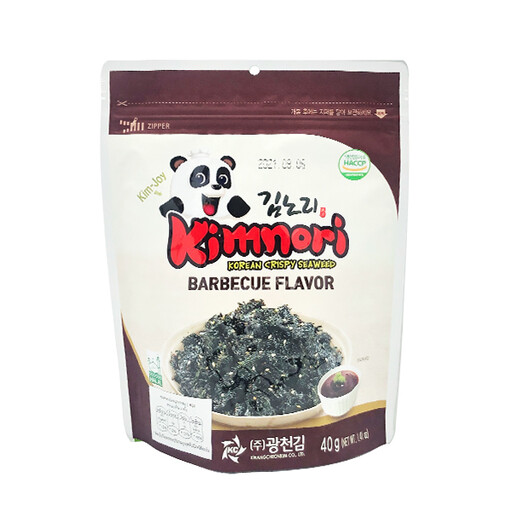
What makes this product stand out: These Korean seaweed flakes (Gimjaban) combine the traditional texture of roasted seaweed with a bold barbecue flavor. The flakes are pan-fried with canola oil and a BBQ sauce blend, giving them a smoky and savory aroma.
Product Details:
Who is it for? Ideal for anyone looking to enhance their dishes—especially rice, noodles, or salads—with a crispy and flavorful topping. Also suitable for preparing Korean rice balls (Jumeokbap).
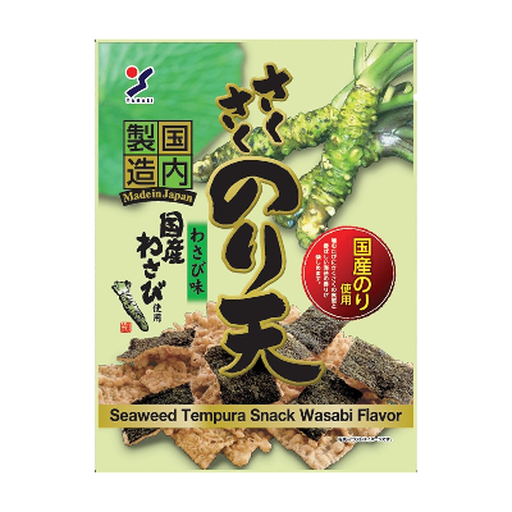
What makes this product stand out: These Japanese snacks offer an intense crunch. They are tempura-style seaweed chips (Noriten) that combine the umami flavor of nori seaweed with the distinctive heat of wasabi. The texture is significantly firmer and crunchier than simple seaweed sheets.
Product Details:
Who is it for? For lovers of intense and spicy snacks who are looking for an alternative to traditional chips. Pairs well as a standalone snack or with drinks.
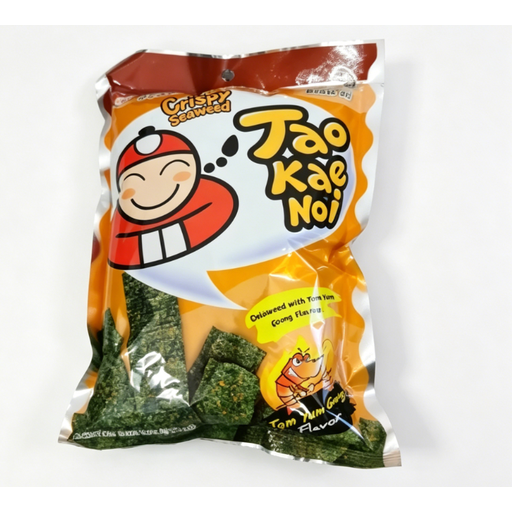
What makes this product stand out: This nori snack from the well-known Thai brand Taokaenoi is seasoned with the flavor of Tom Yum Goong, a famous Thai shrimp soup. The aromas of lemongrass, galangal, and lime leaf create a complex, spicy-sour flavor profile with a mild heat.
Product Details:
Who is it for? For adventurous snack lovers who appreciate the authentic and complex flavors of Thai cuisine. A convenient on-the-go snack.
The products featured here offer just a small glimpse into the world of seaweed snacks. If you want to discover more flavors or brands, you can find a wider selection in our category.
? Discover more crispy seaweed snacks here
Seaweed snacks, also known as seaweed snacks, are edible, processed sea algae (usually of the Nori variety). They are typically roasted to achieve a crispy texture and then seasoned. They are an everyday part of the diet in many Asian countries and are very popular as a snack.
Their use is versatile. Thin sheets can be eaten straight from the pack. They are also used as an ingredient to form rice balls or to roll sushi (maki). Seaweed flakes are a popular topping for rice, soups, and salads. Thicker seaweed chips are usually consumed as a standalone snack, much like traditional potato chips.
Yes, for many people, they are an interesting flavor alternative. They offer a different aroma profile, often described as "umami," and a lighter, often airier texture. Whether they can be considered a healthy alternative to chips depends on the specific product and its ingredients. Comparing the nutritional information, especially the fat and salt content, is recommended to make an informed choice.