
Lieferung heute & morgen

Qualitätsgarantie

Willkommens-Angebote freischalten: KOSTENLOSE Lieferung | Bis zu 80 % RABATT | Kostenlose 30-Tage-JoyPlus-Testphase
App herunterladen
The search for savory yet distinctive snacks is increasingly leading to specialties from Asian cuisine. In particular, seaweed snacks from Korea and Japan are gaining popularity, offering a unique flavor profile often described as umami. However, the selection can be overwhelming. From paper-thin roasted sheets to savory chips and flaky toppings, there are significant differences in texture and taste.
This article serves as a practical guide. It introduces various types of seaweed snacks and helps you find the right product for your taste and intended use—whether as a standalone snack, a side for rice, or an authentic ingredient in your dishes.
To make the right choice, it's helpful to consider three fundamental aspects: form, flavor profile, and intended use.
Texture is crucial for the eating experience. The most common forms are:
While the seaweed's inherent flavor always forms the base, the seasoning provides the variety. Classic Korean snacks of this type are often seasoned simply with sesame oil and a pinch of salt. However, varieties with a teriyaki note, spicy chili, or, in the case of many Japanese snacks, the characteristic flavor of wasabi are also popular. A wasabi snack combines the salty sea note with a short, intense kick of heat.
Consider how you want to enjoy the snack.
Based on these criteria, we have curated a selection of different seaweed snack types that cater to various preferences and uses.
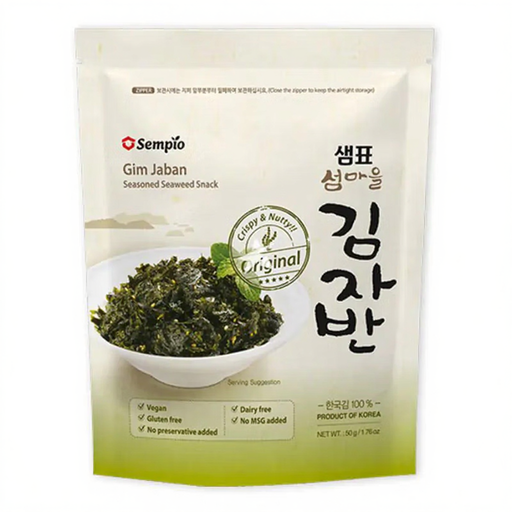
Why it stands out: This product represents the authentic Korean style of roasted seaweed sheets. The sheets are roasted with a blend of corn, sesame, and olive oil and sprinkled with roasted sesame seeds, creating a balanced, nutty, and savory flavor.
Pros:
Who it's for: For lovers of traditional Korean cuisine looking for an authentic roasted seaweed sheet snack that can be enjoyed on its own or as a complement to meals.
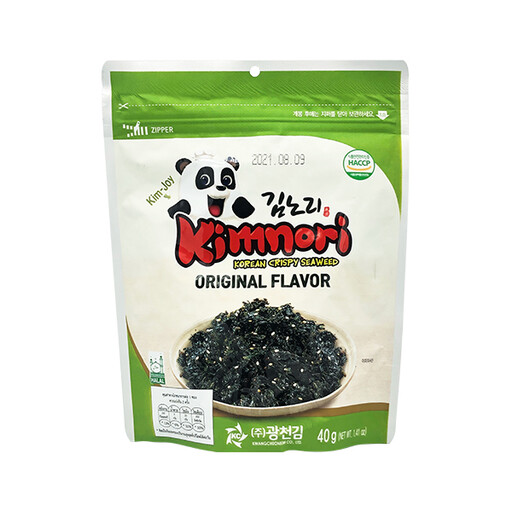
Why it stands out: These seaweed flakes, known as Gimjaban in Korea, are a traditional side dish also called the "rice thief" (Bapdoduk) because they taste so good you end up eating more rice. The roasted and shredded seaweed is seasoned with sesame oil, roasted sesame, and sea salt.
Pros:
Who it's for: For home cooks and anyone looking to easily enhance their dishes with an authentic Korean touch. Especially well-suited for preparing rice balls.
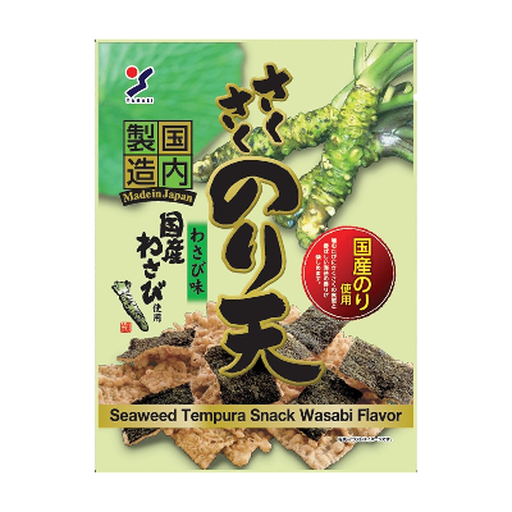
Why it stands out: These seaweed chips offer a completely different textural experience. They combine the umami flavor of nori seaweed with the sharp heat of wasabi. The cracker-like texture makes them a sturdy and satisfying snack.
Pros:
Who it's for: For adventurous snackers who appreciate bold flavors and are looking for a wasabi snack with a satisfying crunch.
If you didn't find the right seaweed snack for you, or if you'd like to browse other categories, our assortment offers a wide selection. Explore our culinary highlights or discover entirely different areas, such as our selection of Hardy Potted Plants for Outdoors.
Seaweed snacks are edible products made primarily from marine algae, usually the Nori variety (known as Gim in Korea). The seaweed is dried, roasted, and then seasoned. They are available in various forms, including thin sheets, shredded flakes, or thicker chips.
Roasted seaweed sheets are very versatile. You can eat them straight from the pack as a crispy snack. In Korean and Japanese cuisine, they are often served as a side with a bowl of rice. You can also crumble them and sprinkle them as a crispy garnish over soups, salads, or noodle dishes.
Many seaweed snacks are based on the main ingredient of marine algae and are roasted instead of fried. However, the exact nutritional values and ingredients, such as the amount of oil, sugar, and salt, vary depending on the product and seasoning. A look at the ingredient list and nutrition facts on the packaging will provide details on the specific composition of each snack.