
Lieferung heute & morgen

Qualitätsgarantie

Willkommens-Angebote freischalten: KOSTENLOSE Lieferung | Bis zu 80 % RABATT | Kostenlose 30-Tage-JoyPlus-Testphase
App herunterladen
A lock should do more than simply secure something: it needs to suit the specific risk, location and way it will be used. A bicycle lock for quick stops has different requirements from a wheel clamp for a parked vehicle or a key safe for a holiday let. If you focus only on eye-catching claims such as ‘heavy-duty’, ‘weatherproof’ or ‘keyless’, it’s easy to miss important details.
A long coiled cable lock is easy to loop around bike racks, lamp posts or railings. However, the cable’s diameter and construction are still important factors. According to the product specifications, an 8 mm coiled cable lock is better suited to basic security and short parking periods in lower-risk areas. A sturdier design may be more suitable for longer parking periods or valuable bikes.
With a padlock, check what the protection rating applies to: the body, shackle, sensor or locking mechanism. IP66 and IP68 ratings describe protection against dust and water under the relevant test conditions. They don’t replace regular maintenance or mean that a lock can withstand any weather or mechanical strain indefinitely.
A fingerprint padlock or keyless padlock can be convenient for everyday use. However, you also need to consider the battery, sensor and stored access details. With a combination lock, there’s a risk of forgetting the code or sharing it with someone who shouldn’t have it. Before buying, decide who needs access and what to do if the battery runs out, the sensor gets dirty or the code is forgotten.
First, decide what you need to secure and for how long:
A parking post or wheel clamp should suit not only the vehicle type but also the tyre and wheel geometry. Before buying, check the stated adjustment positions and the space available in the boot.
For a bike lock, cable length and diameter are the main considerations. A length of 150 cm makes it easier to secure your bike to many fixed objects, while an 8 mm diameter is a specific measurement, not a general security rating. For a padlock, shackle width, shackle height and material are key to ensuring it fits through the existing hasp or eyelet.
For a wheel clamp, buyers should look for adjustable positions, the locking mechanism and the number of keys supplied. A bright coating can make it more visible, but it’s no substitute for solid construction and correct use.
Mechanical locks don’t need batteries, but dirt, frost or corrosion can make them stiff. Electronic models should have a clear low-battery warning and a straightforward set-up process. For a combination key safe, choose a code that’s kept private and doesn’t use an easy-to-guess sequence.
Mount wall-mounted models on a solid surface. Thin cladding or unsuitable panels can compromise the stability of the whole installation. Regularly check cables, shackles, lock cylinders, sensors and fixings for signs of wear.
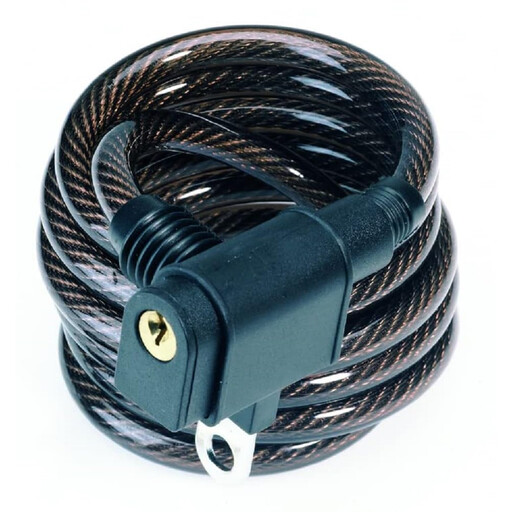
Why this product suits this user: This cable lock is designed for everyday bike rides and quick stops. Its 150 cm length makes it easier to secure your bike to a rack or fixed post.
The length and diameter are clearly stated. The frame mount makes it less likely that you’ll leave the lock at home when you’re out and about.
150 cm length, 8 mm cable diameter and included seat post mount.
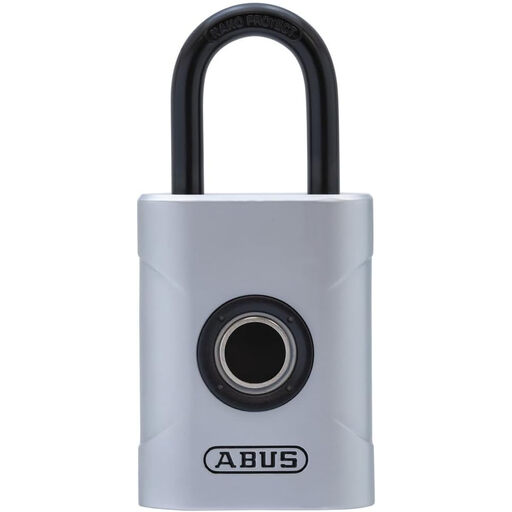
Why this product suits this user: This fingerprint padlock is for anyone who wants to open a padlock without a key or combination code. It’s ideal for places such as an office, gym, garden or workshop.
The product details specify IP66 and IP68 ratings, as well as a low-battery warning. This makes it easier to assess the protection rating and maintenance needs before you buy.
360-degree sensor, storage for up to 20 fingerprints, hardened steel shackle and automatic unlocking.
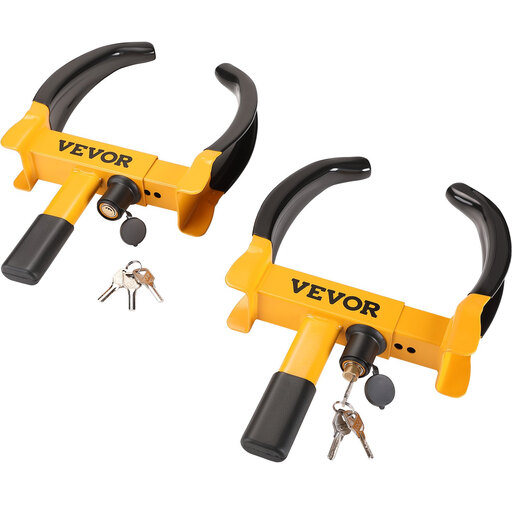
Why this product suits this user: This wheel clamp is designed for cars, SUVs, off-road vehicles and trailers. It can be used with different vehicles or when they’ll be parked for longer periods.
Nine adjustment positions help it fit different tyres. Check your tyre size and make sure there’s enough clearance before use.
Two wheel clamps, nine adjustment positions and six keys, according to the product description.

Why this product suits this user: This combination key safe lets you manage access for guests, tradespeople, care staff or employees without leaving a key under the doormat.
The product details mention a weather-protected cover and installation on solid surfaces. The code needs to be managed securely separately.
Resettable 4-digit code, space for around five keys and one access card, wall-mounted design.
We’ve put together a comprehensive, regularly updated list of products that meet these strict selection criteria and fully comply with the safety regulations in force in the EU.
It depends on where you park, for how long and how valuable your bike is. A flexible bike lock of sufficient length can be handy for quick stops. If you’ll be leaving your bike for longer or there’s a higher risk of theft, take particular care to check the design, material and how it can be secured to a fixed object.
There’s no single answer. It depends on the weather, how often the lock is used, how dirty it gets and how well it’s maintained. Clean the locking area and sensor as needed, check the shackle for damage and replace the batteries when prompted by the warning indicator. An IP rating describes the level of protection, not the guaranteed lifespan.
Look for an early low-battery warning and plan to replace the battery before you’re away for an extended period. Keep the sensor and your finger clean and dry. Users should also follow the instructions for registering and deleting stored fingerprints. This helps you manage vehicle security, access control or property security without relying solely on one way of unlocking the device.