
Lieferung heute & morgen

Qualitätsgarantie

Willkommens-Angebote freischalten: KOSTENLOSE Lieferung | Bis zu 80 % RABATT | Kostenlose 30-Tage-JoyPlus-Testphase
App herunterladen
Seeberger dried fruits are a category of food preserved by removing their water content. This process concentrates the natural fruit sugars and flavours, resulting in an energy-dense and flavourful product. Their uses range from direct consumption as healthy snacks to a culinary ingredient, such as dried fruit for baking. Selecting the right product depends on specific requirements for taste, composition, and intended use.
When choosing dried fruits, several objective parameters should be considered to find a product that meets your needs.
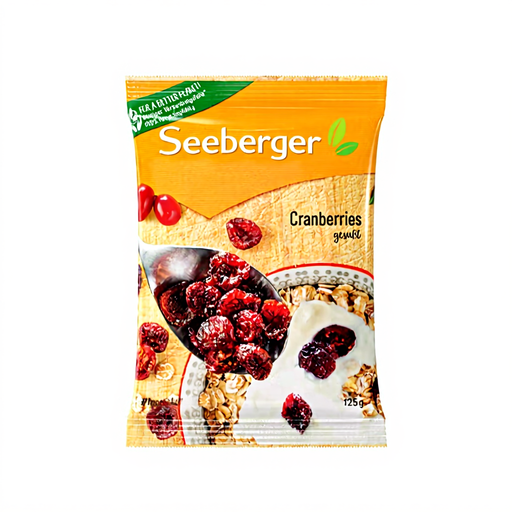
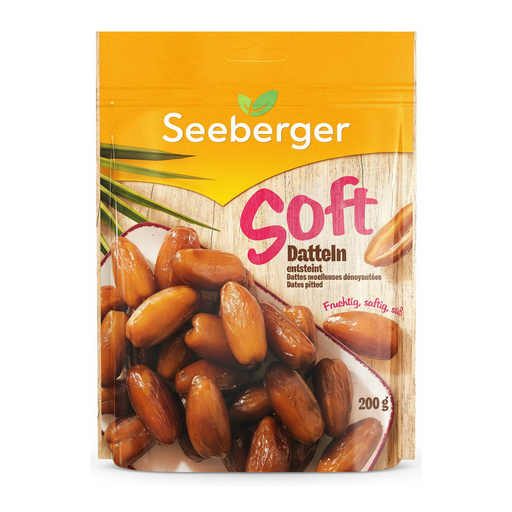
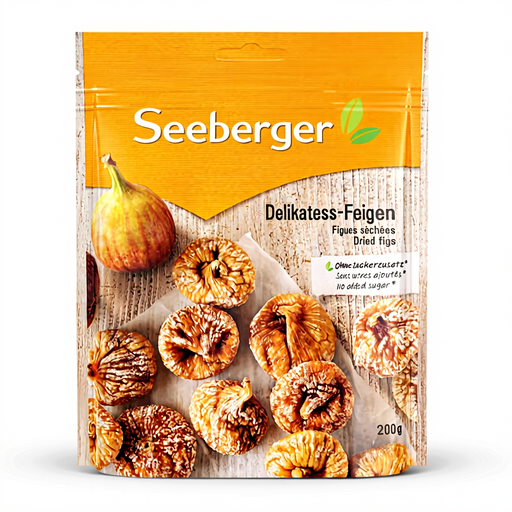
The composition of a dried fruit product is a crucial criterion. Some fruits, like dates or figs, are naturally very sweet and are often offered as dried fruits with no added sugar. Their sugar content is entirely of natural origin. Other fruits, such as cranberries, have a natural tartness. Here, sugar is occasionally added to achieve a balanced flavour profile. A look at the ingredient list reveals whether sugar has been used and, if so, what type.
The geographical origin and the drying method influence texture and aroma. Sun-dried fruits, often produced in Mediterranean regions, develop an intense, concentrated flavour. Other methods, like gentle mechanical drying, can better preserve the colour and a softer texture. Details about the origin, such as Tunisia for Seeberger Dates or Turkey for dried figs, can indicate traditional cultivation and processing methods.
The fruit's texture is relevant to its application. Pitted dates offer greater convenience in preparation. Soft fruits are well-suited for smoothies or as a direct snack, while firmer varieties hold their shape better when baking. For muesli mixes or as a topping, small-fruited varieties like dried cranberries are often a practical choice.
Dried fruits are hygroscopic, meaning they absorb moisture from the environment. Protective atmosphere packaging prevents this and shields the product from oxidation. After opening, cool, dry, and airtight storage is necessary to preserve quality and texture.
Based on the criteria mentioned, we present a selection of Seeberger dried fruits distinguished by their specific properties and applications.
Beyond established dried fruits like dates, figs, and cranberries, there is a variety of other, more exotic fruit types. These can open up new flavour profiles and culinary applications. For those interested in such alternatives, the Star Fruit category offers a glimpse into other fruit delicacies that can broaden the culinary spectrum.
1. Do Seeberger dried fruits contain added sugar? It depends on the specific product. Products like Seeberger Soft Dates or Seeberger Delicate Figs contain no added sugar, according to the manufacturer; their sweetness comes exclusively from the fruit itself. Other products, like Seeberger Cranberries, have sugar added to balance the fruit's natural tartness and create a harmonious taste experience. The ingredient list on the packaging provides precise information on this.
2. Are Seeberger dried fruits suitable as a healthy snack? Dried fruits are a concentrated source of energy, as the water removal process increases the proportion of carbohydrates and natural fruit sugar per 100 grams. They provide readily available energy and, depending on the variety, also contain dietary fibre. Due to their high sugar and calorie content, moderate consumption is recommended, especially as part of a calorie-conscious diet.
3. How should opened packages of Seeberger dried fruits be stored? After opening the original packaging, the dried fruits should be stored in an airtight container. The storage location should be cool, dry, and protected from direct sunlight. This prevents the fruits from absorbing moisture from the air, which could affect their texture and shorten their shelf life.