Students looking for wholegrain
You’re looking for a crispbread base to take to campus and want to identify wholegrain from the product name and ingredients, rather than relying on its colour or visible seeds.


When choosing seeded crispbread for a campus lunch, don’t judge it by the visible seeds alone. If wholegrain matters to you, check the product name and ingredients list; use the per 100 g figures to compare nutritional values. Also choose according to the seeds you prefer and any allergen information that’s relevant to you. If you need to avoid gluten, look for an explicit gluten-free label.
You’re looking for a crispbread base to take to campus and want to identify wholegrain from the product name and ingredients, rather than relying on its colour or visible seeds.
You’d like sesame, pumpkin seeds, sunflower seeds or linseeds in your crispbread, so you compare the ingredients in different varieties.
You need crispbread that’s explicitly labelled gluten-free, and check the ingredients and allergen information for the specific product.
First, work out whether gluten-free requirements or particular allergens limit your choice. Then compare wholegrain ingredients, seeds and nutritional information. For campus, it’s also worth considering how you’ll transport the crispbread.
| Criteria | What to check when buying | Who it matters most to |
|---|---|---|
| Wholegrain and fibre | Does the product name say ‘wholegrain’, and are wholegrain flour or meal near the top of the ingredients list? Compare fibre per 100 g. | If I’m specifically looking for wholegrain for lunch, visible seeds alone aren’t enough to go on. Around 29% of consumers would put wholegrain and fibre first. |
| Seeds and texture | Which seeds are listed, and in what quantities? For different recipes, you can also compare fat and salt per 100 g. | What matters most to me is whether sesame, pumpkin seeds or other seeds deliver the flavour and crunch I’m after. Around 36% of consumers would prioritise the seed mix. |
| Gluten and allergens | If needed, look for an explicit gluten-free label; read the ingredients list and the allergen and ‘may contain’ information on the current pack. | If I need to avoid gluten or take a particular allergen into account, I’ll only consider a product labelled accordingly. For around 21% of consumers, this check would come first. |
| Transport and storage | Check the storage instructions and choose a suitable pack size; carry moist toppings separately on the way to the canteen. | I want my crispbread to stay dry until lunch, rather than getting soggy with toppings in my rucksack. Around 14% of consumers would prioritise transport and storage. |
According to EDEKA, bread with visible seeds can also be made from white flour. So if you’re looking for wholegrain, appearance alone isn’t a reliable guide.
Check the product name and ingredients list. For crispbread, also compare the fibre figures per 100 g.
According to the German Food Federation, sesame is one of the allergens that must be declared. ‘May contain’ information may also be relevant to your personal choice.
Each time you buy, read the ingredients list and the allergen and ‘may contain’ information on the current pack.
Seeded crispbread can contain rye or wheat. A different seed or oats in the product name doesn’t, by itself, mean the product is gluten-free.
If you need to shop gluten-free, choose a product explicitly labelled gluten-free and check its full ingredients list.
The information below relates to specific crispbread varieties, not every product from each brand.
REWE’s German range includes Wasa varieties with seeds, as well as other types of crispbread.
Burger offers, among other products, wholegrain rye crispbread with pumpkin seeds.
REWE Bio Naturland Wholegrain Crunchy Crispbread combines wholemeal wheat with sunflower seeds, sesame and linseeds.
Schär Oat Crispbread is explicitly labelled gluten-free.
This selection includes crispbread varieties with sesame or linseeds, ideal for topping at lunchtime. For the variety you choose, compare the ingredients, nutritional information and allergen details on the pack.
 Image unavailable
A variety with oats and sesame, ready to top for lunch. Check the ingredients and allergen information on the pack if you need to take cereals or sesame into account.
 Image unavailable
A sesame variety if this seed is important to you for your canteen lunch. Compare the wholegrain ingredients and nutritional information on the pack to help you choose.
 Image unavailable
If you’d like linseeds as well as sesame, this recipe is worth a look. To compare fibre content, check the per 100 g figure on the pack.
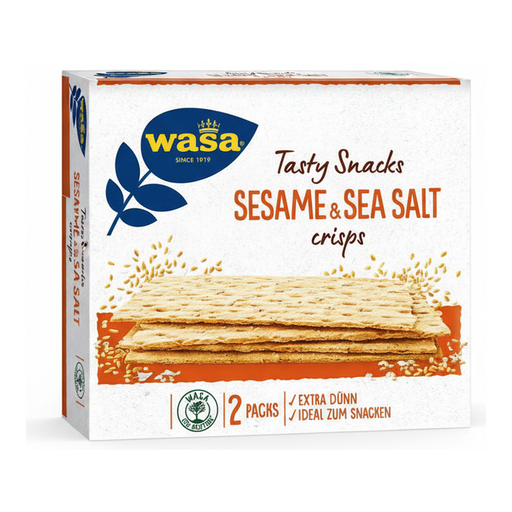 Image unavailable
This round variety with sesame and sea salt is a good fit if you like that combination. Compare salt and fibre per 100 g, and check the allergen information.
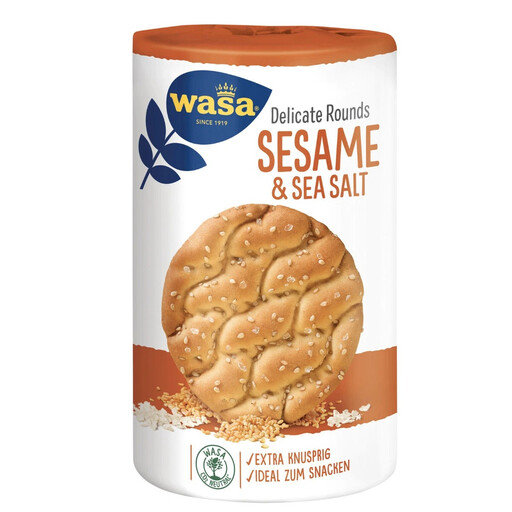 Image unavailable
This pack offers crispbread with sesame and sea salt as a base for toppings. If you’re specifically looking for wholegrain, check the flour ingredients on the pack.
No. Visible seeds alone don’t tell you what flour has been used. EDEKA distinguishes seeded bread from wholegrain bread, so check the product name and ingredients list for the specific variety.
Yes, as long as the specific crispbread is explicitly labelled gluten-free and its ingredient and allergen information meets your needs. Products with seeds that contain rye or wheat aren’t suitable alternatives just because they contain seeds.
Read the ingredients list and, where applicable, the ‘may contain’ information on the current pack. According to the German Food Federation, sesame is one of the allergens that must be declared in the ingredients list.
Carry the crispbread dry and add moist toppings just before eating. Also follow the pack’s storage instructions, especially if you’re taking an opened pack with you.