What to look for when buying
Start by checking the ingredients and any necessary allergen labelling, then choose a texture that works with your toppings. When comparing nutritional values, make sure you’re using the same measure – per 100 g.
| What to consider |
What to check when buying |
Who it matters most to |
| Wholegrains and fibre |
Compare the grain base in the ingredients list and the fibre per 100 g. Wasa lists 91% wholemeal rye flour and 20 g of fibre per 100 g for its linseed variety, and 26 g of fibre per 100 g for Oats & Sesame. |
I want to know which grain makes up the base of my supper, rather than relying on the picture of seeds. For around 36% of consumers, this ingredient profile is the main consideration when choosing. |
| Seeds and texture |
Check the types and stated quantities of seeds, as well as any specific description of the texture. Wasa lists 5.3% linseed in its linseed variety and 7.6% sesame in Oats & Sesame. |
I want a different texture with a mild spread than I do with a more robust topping. Around 29% of consumers focus on taste and texture. |
| Allergens and gluten |
Check the ingredients, allergen labelling and, if needed, the explicit gluten-free label on the current pack. Seeds alone don’t tell you which grains the product contains. |
If I need to avoid gluten or sesame, the labelling matters more than the taste. For around 21% of consumers, this is the main factor when choosing. |
| Toppings and portion size |
Choose a crispbread shape that works with your planned toppings. Consider the energy, fat and salt per 100 g, as well as how much you’ll eat. |
I want my crispbread to go with my toppings and the portion I have in mind. Around 14% of consumers put this combination first when choosing. |
Seeded crispbread at Joybuy
This selection includes sesame, linseed and mixed-seed crispbreads to suit different supper toppings. If products have similar names, compare the ingredients and nutrition information on each pack. This selection is no substitute for checking allergens.
 No image available
Alnatura Organic Sesame Crispbread, 250 g
A sesame variety to try if you’re looking for crispbread to go with savoury toppings or spreads at supper.
If you need to avoid gluten or sesame, check the ingredients and allergen information on the pack.
View at Joybuy
 No image available
Wasa Delicate Crisp Oats & Sesame, 230 g
An oat and sesame variety for anyone who prefers these ingredients with their supper toppings.
If you need to avoid gluten or sesame, check the information on the specific pack.
View at Joybuy
 No image available
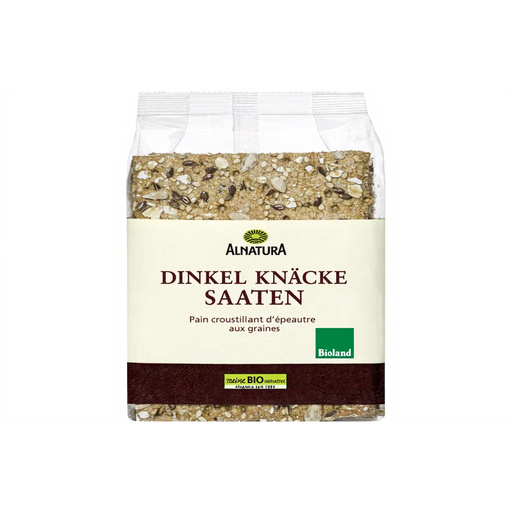
Alnatura Organic Spelt Crispbread with Seeds, 200 g
A spelt variety with seeds to consider if you’re choosing crispbread to go with dips or spreads.
Before buying, check the current ingredients and allergen information carefully, particularly if you need to avoid certain ingredients.
View at Joybuy
 No image available
Wasa Sesame & Flaxseed, 210 g
A possible choice for supper with savoury toppings if you’re looking for crispbread with linseed.
Check the ingredients list for this variety: sesame appears in the product name, but the available ingredient information lists it only as a possible trace. You can compare fibre using the nutrition information on the pack.
View at Joybuy
 No image available
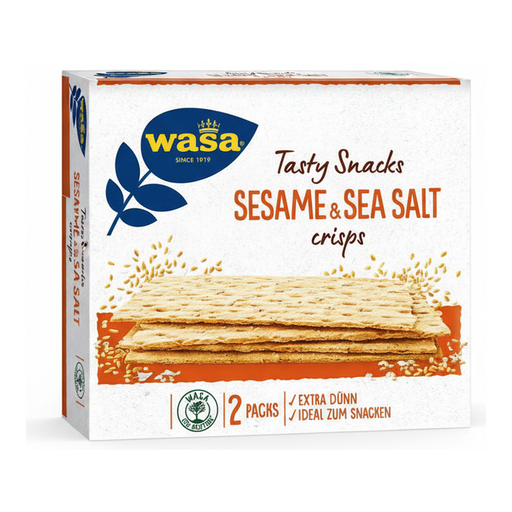
Wasa Round Crispbread Sesame & Sea Salt, 190 g
A round sesame variety if you prefer this shape for cheese, spreads or vegetable toppings.
For this variety, compare the salt per 100 g too, and check the allergen information on the pack.
View at Joybuy
Frequently asked questions
Is seeded crispbread automatically gluten-free?
No. Crispbread with seeds can still contain gluten-containing grains. If you need to avoid gluten, check the ingredients and look for an explicit gluten-free label on the specific product, rather than assuming it’s suitable because it contains seeds.
How can I tell if crispbread contains sesame?
Check the ingredients list and allergen information on the pack. Lebensmittelklarheit explains that sesame is one of the main allergens that must be labelled. A warning about possible traces is different from sesame being deliberately added as an ingredient.
Which seeded crispbread goes well with creamy toppings?
If you prefer a more delicate bite, Wasa Oats & Sesame may be worth comparing: Wasa describes it as having a more delicate bite and lists oats and sesame as ingredients. At the same time, check whether those grains and sesame are suitable for you.
How do I compare the nutritional values of different varieties?
Compare nutrition information using the same measure, usually per 100 g. This lets you compare energy, fat, fibre and salt side by side. For supper, you should also consider how much you actually eat and what you put on top.
How should I store crispbread once the pack is open?
Follow the storage instructions on the pack and seal it after opening. For the Dr. Karg's varieties mentioned, REWE recommends storing them in a dry place. For Organic Spelt & Seeds, it also recommends a cool place away from sunlight.


