
Lieferung heute & morgen

Qualitätsgarantie

Willkommens-Angebote freischalten: KOSTENLOSE Lieferung | Bis zu 80 % RABATT | Kostenlose 30-Tage-JoyPlus-Testphase
App herunterladen
A case of Sekt 6 x 0,75 l contains a total of 4.5 litres, making it suitable for birthdays, weddings, club events, hospitality venues and larger private gatherings. Buying Sekt in a six-pack can reduce the cost per bottle and the effort involved in organising your event. However, products vary considerably in sweetness, alcohol content, origin and flavour.
If you focus only on the brand, the look of the bottle or an unusually low case price, you can easily miss important details. Three common buying mistakes are particularly worth avoiding:
Sweetness affects how well a Sekt pairs with food and suits your guests. Dry styles are often chosen for a classic reception or as an aperitif. For guests who prefer softer, fruitier notes, a medium-dry or mild Sekt, or an aromatic fruit Secco, may be a better choice.
Check the exact product description:
Residual sugar information can vary depending on the product and its labelling. If you’re unsure, compare the product details with the label.
German Sekt is not necessarily made exclusively from German grape varieties. Check the details on the label and in the product description. Italian sparkling wine, for example, may be sold as Prosecco, Spumante or Frizzante. Spanish Cava is traditionally made in Spain and may differ from other sparkling wines in its production method. French sparkling wine, meanwhile, is not automatically Champagne.
When choosing, bear in mind:
Most products in this selection contain 0.75 litres per bottle. Depending on the variety, the alcohol content may be 7,0 % vol., 10,5 % vol., 11,0 % vol., 11,5 % vol. or 12,0 % vol. This is worth considering when planning quantities and choosing drinks for your guests.
As a general rule, unopened bottles should be stored in a cool, dry place away from direct sunlight. The recommended serving temperatures for the products featured here are approximately 5–10 °C. Once opened, bottles should be resealed, chilled and enjoyed as soon as possible. A standard household stopper will not reliably preserve the fizz; a stopper designed for Sekt can help.
Sekt contains alcohol and sulphites. It may only be sold to and consumed by people of the legal minimum age. Alcoholic drinks should be avoided during pregnancy.
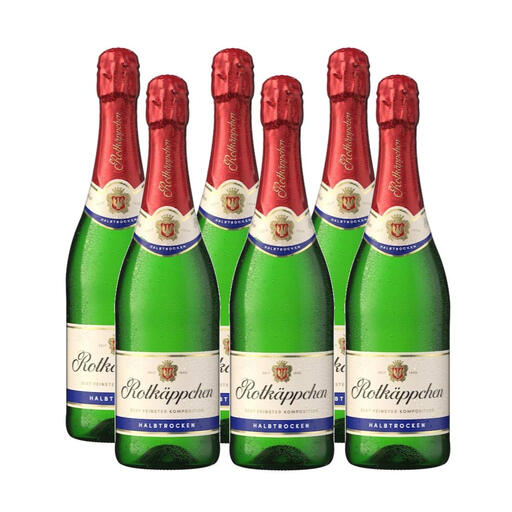
Why it suits this profile: The medium-dry style is a good choice for households and celebrations looking for a balanced, fruity flavour. Each bottle contains 0,75 litres and has an alcohol content of 11,0 % vol.
The flavour style is clearly described as medium dry, so “dry” is not mistakenly taken to mean completely low in sugar.
German product, 6 bottles of 0,75 litres each, 11,0 % vol., with storage and nutritional information per 100 ml.
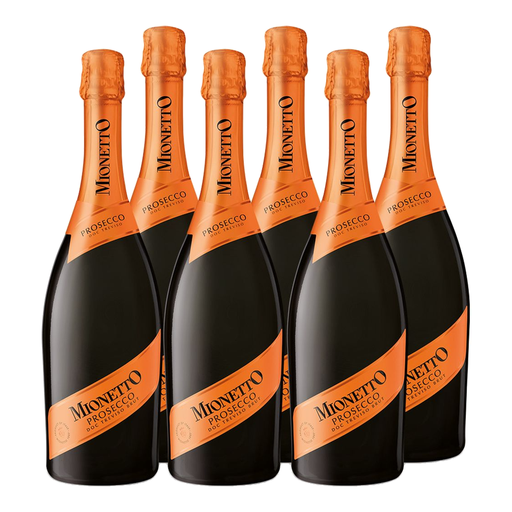
Why it suits this profile: The Prosecco DOC Spumante Brut designation is ideal for buyers who want to compare origin, style and alcohol content carefully.
The product name explicitly states DOC, Spumante and Brut, making it easy to distinguish from general Italian sparkling wine or Frizzante.
Italian origin, 11,0 % vol., 6 × 0,75 litres and a recommended serving temperature of 6–8 °C.
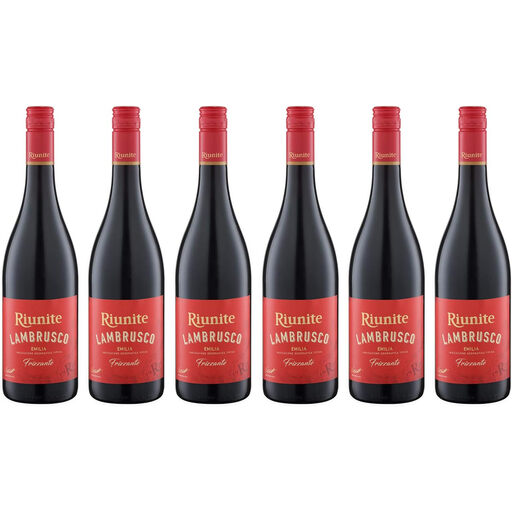
Why it suits this profile: The semi-sweet Frizzante style, with 7,5 % vol., may appeal for larger gatherings where a fruitier, lighter option is wanted.
The product details identify it as both Semi-Sweet and Frizzante, helping you avoid accidentally ordering a dry Spumante for guests with different tastes.
Origin: Italy, Emilia-Romagna region; 7,5 % vol. and 6 bottles of 0,75 litres each.
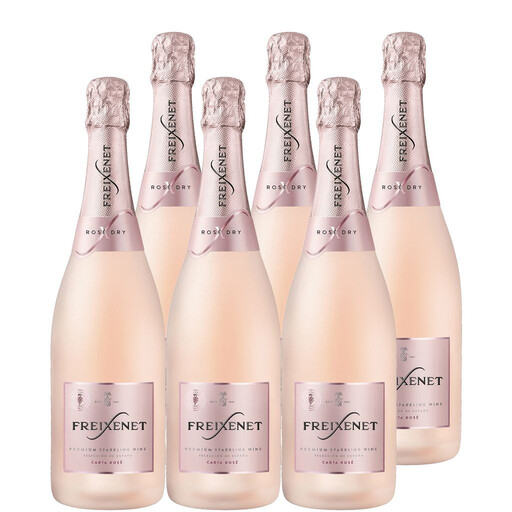
Why it suits this profile: This dry rosé from Spain is well suited to special occasions, aperitif buffets and Mediterranean-inspired dishes.
The product details specify its Spanish origin, Cava designation, dry style and traditional bottle fermentation.
Rosé Cava from Spain, 11,5 % vol., 6 × 0,75 litres and a recommended serving temperature of 6–8 °C.
We’ve put together a complete, regularly updated list of products that meet these strict selection criteria and the safety regulations applicable in the EU.
Six bottles of 0,75 litres each add up to 4,5 litres. For a reception with 30 people, that works out at around 150 ml per person if you serve the whole case. If you’re also offering drinks such as water, beer or non-alcoholic alternatives, one case will be enough for many smaller occasions. For weddings, hospitality venues or longer events, allow for the fact that not every bottle will be poured in full and that guests may want a choice of styles.
A case containing 4,5 litres will make around 45 glasses if you pour about 100 ml per glass. For more generous 150 ml servings, you’ll get around 30 portions. The actual number depends on the glass, the occasion and whether guests have top-ups.
The specific shelf life is shown on the packaging. Unopened bottles should be stored somewhere dark and dry, at a consistently cool temperature if possible. Direct sunlight and major temperature changes can affect the quality. Once opened, Sekt should be kept chilled and consumed soon afterwards.
Dry Sekt, Brut, Prosecco or a dry Cava all work well as an aperitif. If you prefer fruitier flavours, try a medium-dry, mild or rosé sparkling wine. The key things to consider are sweetness, alcohol content and the food you plan to serve.