
Lieferung heute & morgen

Qualitätsgarantie

Willkommens-Angebote freischalten: KOSTENLOSE Lieferung | Bis zu 80 % RABATT | Kostenlose 30-Tage-JoyPlus-Testphase
App herunterladen
Self-adhesive stickers are useful for all sorts of tasks: they label documents, transform surfaces without drilling, and add a seasonal touch to your décor. However, adhesive strength, material, dimensions and removability can vary considerably. An attractive product image alone tells you little about whether a sticker will work reliably on a painted wall, a window or a folder.
For self-adhesive tile stickers, a water-resistant surface can be useful in the kitchen or bathroom. However, this doesn’t automatically mean the product is suitable for showers, floors or outdoor use. There may also be restrictions on using them near hobs and naked flames. Always check claims such as “heat-resistant” alongside the stated recommended uses.
A wall sticker that sticks permanently could leave marks on delicate paint when removed. For rented homes, children’s bedrooms or décor that you change often, reusable window decorations or static-cling options are often a better choice. Even if a product is described as removable, it’s worth testing it somewhere discreet first.
Product images can only give you a limited idea of the actual size. Before buying, check the format, number of sheets, roll length or surface coverage. If you’re buying self-adhesive labels, it’s also important to check whether they’re printer-compatible or intended to be written on by hand only.
Many decorative stickers are suitable for smooth, dry, grease-free surfaces. PET or PVC versions may have a wipe-clean surface, while paper labels are often designed for folders, packaging and documents. For glass, distinguish between double-sided window stickers and standard adhesive film.
Look out for the following details:
For wall stickers and self-adhesive tile stickers, the coverage determines how many packs you’ll need. A single sheet may be enough for a small accent, while a kitchen splashback could require several packs. For a DIY mirror mosaic, the number and shape of the pieces matter: lots of small squares make it possible to create patterns, but take longer to line up.
The requirements for organising documents differ from those for decorating walls or windows:
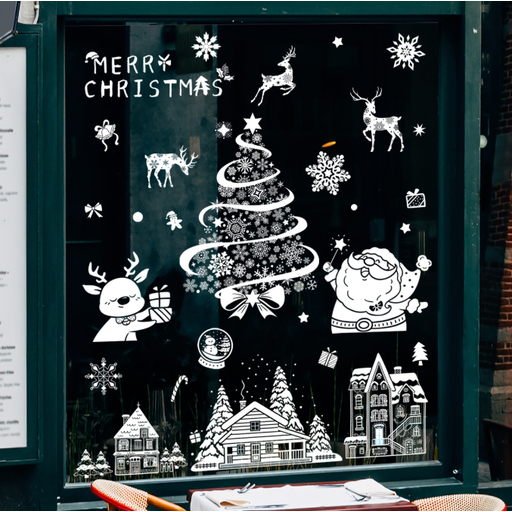
Why this product suits this profile: Nine sheets make it easy to decorate windows, glass surfaces or display cabinets for the season, with no extra tools needed.
The stated set of nine sheets makes it clear what’s included and reduces the risk of ordering a single decoration that’s too small.
Seasonal designs, multiple sheets and suitable for use on windows or display cabinets, according to the product details.
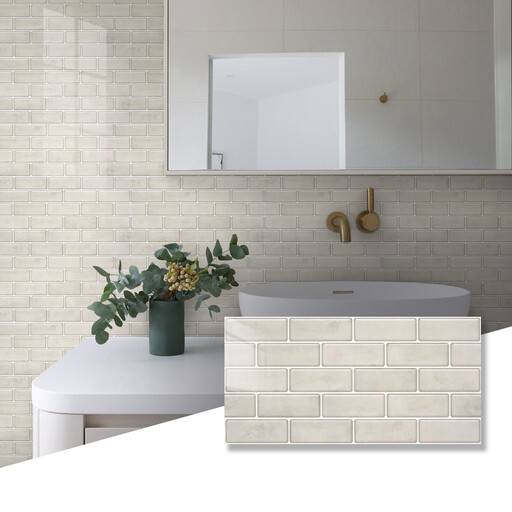
Why this product suits this profile: Measuring 30 × 15 cm and made from PET and PE, these stickers are suitable for creating a structured look on smooth surfaces.
The product details clearly state some limitations: these aren’t suitable for floors, outdoor surfaces or showers. Gentle warming may be needed when removing them.
12 pieces with a glossy finish, described in the product details as water- and scratch-resistant.
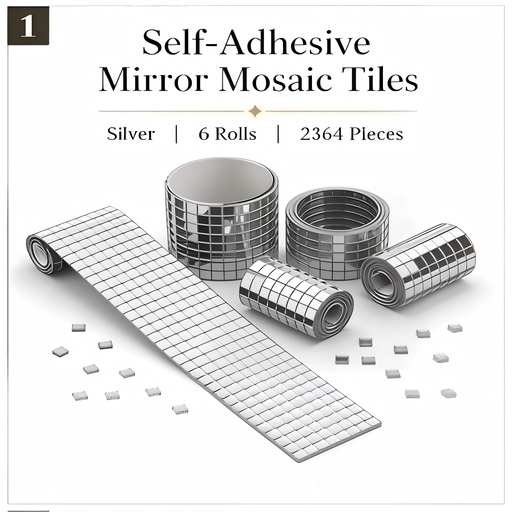
Why this product suits this profile: The larger quantity of small mosaic pieces is ideal for DIY projects, mirror frames, wall decorations or stage props.
The set details specify six rolls and 2,364 pieces, making it easier to see what’s included and plan larger projects.
Square silver glass pieces with a self-adhesive backing and a range of DIY uses, according to the product description.
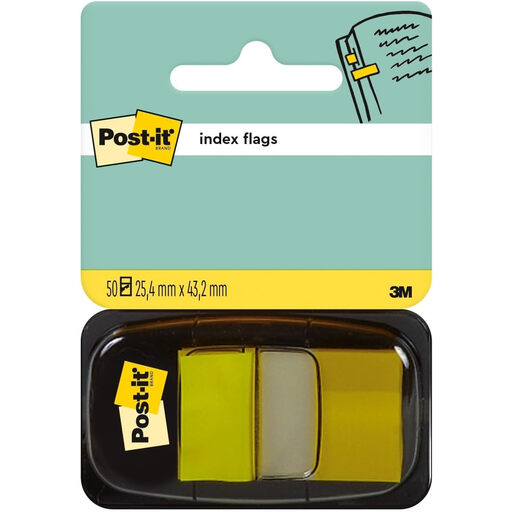
Why this product suits this profile: These wide index markers make it easy to flag pages, files and teaching materials while keeping the content visible.
The clear base doesn’t obscure the marked text, according to the product details, and the flags are designed to be repositioned repeatedly.
50 flags per dispenser, measuring 25.4 × 43.2 mm, with a writable matt marking surface.
First, clean the surface to remove dust, grease and moisture. If you’re applying wall stickers, make sure the paint has fully cured. Apply larger sheets slowly, starting at one edge, and smooth out any air bubbles with a soft cloth, working outwards. Window stickers usually stick better to clean, dry glass.
When removing stickers, don’t pull sharply. Gently warm strongly adhesive film with a hairdryer, then slowly peel it away from one corner. If the surface is delicate, test a small area first. For paper and books, repositionable Post-it adhesive strips are a better choice than permanent labels.
We’ve put together a complete, regularly updated list of products that meet these strict selection criteria and fully comply with the safety regulations in force in the EU.
For the best results, use a smooth, dry surface that’s free from dust and grease. Textured wallpaper, dusty walls and freshly painted surfaces can affect adhesion. Test the sticker on a small, discreet area first.
That depends on the adhesive, the surface and how old the product is. Repositionable or static-cling window stickers are often easier to remove. Gently warming permanent wall and tile stickers may help, but residue-free removal isn’t guaranteed on every surface.
For pages and books, Post-it adhesive strips or index markers with a repositionable adhesive are suitable. For folders, boxes and other items, consider self-adhesive labels. Before buying, check whether the surface can be written on by hand, printed on or is designed for a particular type of printer only.