
Lieferung heute & morgen

Qualitätsgarantie

Willkommens-Angebote freischalten: KOSTENLOSE Lieferung | Bis zu 80 % RABATT | Kostenlose 30-Tage-JoyPlus-Testphase
App herunterladen
A blank wall is an opportunity to add personality to a room without reaching for paint and brushes. Self-adhesive wall decorations, like wall decals or removable wallpaper, promise a quick and affordable transformation. However, the market is flooded with products that often fail to live up to their claims. Before you invest, it's crucial to understand the common pitfalls that can quickly turn a simple decor project into a frustrating experience.
Many buyers report three main problems:
Understanding the basic product features will help you avoid these problems and make the right choice.
To make an informed decision, you should check three core aspects. These determine the product's durability, appearance, and ease of application.
Most self-adhesive wall decor is made from PVC (Polyvinyl chloride), often simply called vinyl. This material is generally durable, water-resistant, and easy to clean. However, the crucial difference lies in the surface treatment:
For refinishing furniture, a thicker furniture wrap is more suitable, as it is more durable than a standard decorative decal for walls.
The most important rule is: Self-adhesive products only adhere reliably to smooth, clean, dry, and dust-free surfaces. Textured wallpaper or rough plaster does not provide enough contact area for the adhesive, causing the edges to peel quickly.
Also, keep in mind:
The product's format significantly affects the application effort.
Here are some product recommendations tailored to specific needs and living situations.
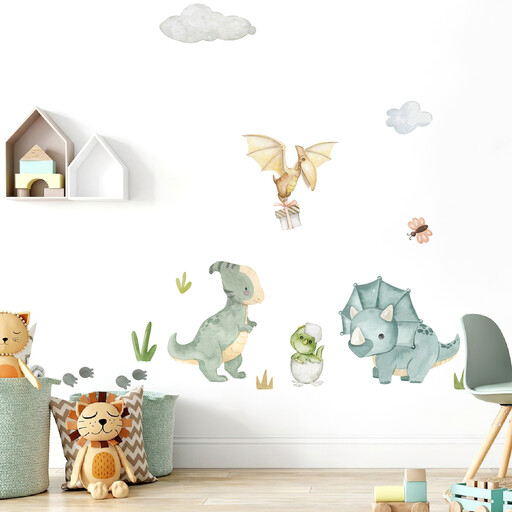
Why it's a good fit: The gentle dinosaur illustrations are playful without overwhelming the room. Since the elements are individually cut, parents and children can creatively arrange the scene on the wall together, making it ideal for bedrooms, play nooks, or reading corners.
The matte, canvas-textured surface prevents the cheap-looking gloss common to many kids' room decals and reduces glare from room lighting, enhancing its appearance.
Encourages creativity with its flexible arrangement of individual elements. Application is simpler than with a single large sheet.
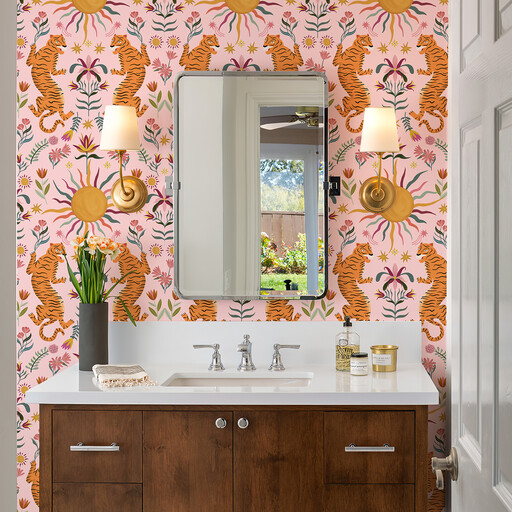
Why it's a good fit: For renters who want to make a strong visual statement without a long-term commitment. The bold tiger pattern in pink and orange creates a fashionable statement wall behind a sofa, desk, or shelving unit.
As a "peel and stick" product, this wallpaper is designed to be a removable solution. When applied correctly to a smooth wall, it minimises the risk of paint damage upon removal. The extra-long roll also reduces visible seams.
Allows for a quick, high-impact room transformation. The durable PVC material is also low-maintenance and easy to wipe clean.
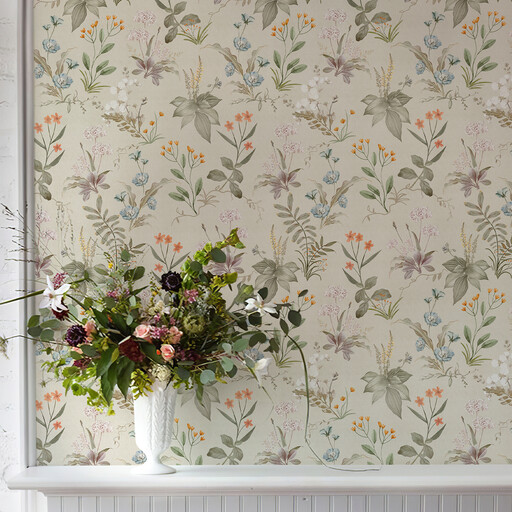
Why it's a good fit: Perfect for anyone seeking a subtle yet homey change. The light yellow hue and delicate floral pattern make rooms feel brighter and more inviting without being overpowering. It works well for entryways, bedroom accents, or upgrading cabinet doors.
The product description clearly states the need for smooth surfaces, setting realistic expectations. The grid on the backing paper helps with straight cuts and prevents crooked application.
The light colour and subtle pattern create a welcoming atmosphere. The film is versatile enough for both walls and furniture upcycling.
We have compiled a complete, up-to-date list of products that meet these strict selection criteria and comply with current regulations.
1. Does self-adhesive wall decor stick to textured wallpaper? In most cases, the answer is no. The uneven texture of woodchip or structured wallpaper doesn't provide enough surface area for the adhesive to grip. The edges of the film or decal will likely start to peel after a short time. For a durable result, a smooth surface is required, such as smoothly plastered walls, drywall, or smooth, sealed wood surfaces.
2. How do I remove wall decals without leaving residue? To minimise the risk of damaging the wall paint, you should remove the decoration slowly and carefully. Gently heat the decal or film with a hairdryer on a low setting. The warmth softens the adhesive. Then, slowly pull the film off at a shallow angle (almost parallel to the wall) instead of ripping it away at a 90-degree angle. Any remaining adhesive residue can often be removed with a soft cloth and a mild soap solution.
3. Can I use self-adhesive film in the bathroom? Yes, but with limitations. Since most films are made of water-resistant PVC, they are suitable for "dry zones" in the bathroom—walls that do not come into direct contact with water (e.g., the wall behind the toilet or above the sink, outside the splash zone). They are unsuitable for use inside a shower enclosure or directly around a bathtub, as constant moisture and wetness will seep under the adhesive and cause the film to peel. Ensure good ventilation to reduce overall humidity.