
Lieferung heute & morgen

Qualitätsgarantie

Willkommens-Angebote freischalten: KOSTENLOSE Lieferung | Bis zu 80 % RABATT | Kostenlose 30-Tage-JoyPlus-Testphase
App herunterladen
Self-adhesive wall mirrors are a practical option for tenants, DIY enthusiasts and anyone who wants to style their hallway, bedroom or living room without drilling. Before buying, however, it is worth taking a close look at the material, adhesive surface and dimensions. Product images may suggest a larger mirror area than is actually supplied. The term “mirror” alone also says little about reflective quality, stability or suitability for damp areas.
Mirror tiles and mirror stickers can be combined to create patterns, but they do not automatically replace a continuous wall mirror. For example, four square elements measuring 20 × 20 cm create a geometric surface, but the gaps prevent a completely uniform reflection.
Before ordering, you should therefore calculate the total area per pack. With irregular shapes or a mirror mosaic, it is also important to consider whether you want to create a regular grid or a free-form mirrored wall decoration.
PVC mirrors are lightweight and, when handled carefully, less prone to breakage than glass. However, their surface can become distorted depending on the mounting surface, pressure and temperature. As a result, the reflection may not appear completely uniform.
Glass mirrors generally offer a firmer surface, but they weigh more. This affects the requirements for the adhesive tape, wall condition and eventual removal. The material should therefore be checked not only in the title, but also in the product details.
Self-adhesive mirrors require a clean, dry, smooth and sound surface. Textured plaster, wallpaper with a delicate coating, dusty walls or damp surfaces can affect adhesion. In rented properties, there is also a risk that the adhesive may lift paint or wallpaper when removed.
For bathrooms, you should check whether the particular item is expressly intended for damp areas. A general statement such as “for all surfaces” is no substitute for checking the specific substrate.
PVC mirrors, acrylic mirrors or glass mirrors may be suitable for a decorative solution. PVC and acrylic versions are often suitable for lightweight DIY mirrors and flexible arrangements. With larger formats, the surface should lie as flat as possible. Protective films should only be removed after positioning and pressing the mirrors into place to help prevent scratches.
With glass, weight and mounting method are crucial. A set of four 30 × 30 cm glass mirrors weighs more than many lightweight PVC mirror stickers. The wall must be able to support permanent adhesive mounting.
Square wall mirrors are easy to arrange in a grid. Common formats include 20 × 20 cm, 30 × 30 cm and 40 × 40 cm. Smaller elements are suitable for borders, furniture accents and creative patterns. Larger tiles create a calmer surface with fewer joints.
Pay attention to:
Before installation, clean the wall with a suitable, non-greasy cloth and allow it to dry completely. You can mark out the arrangement first using masking tape. Then align each element individually and press it down evenly for several seconds.
With self-adhesive mirrors, it is a good idea to test the installation in an inconspicuous area. This is particularly important with wallpaper, painted furniture and freshly painted walls, where the adhesive’s compatibility should be checked in advance.
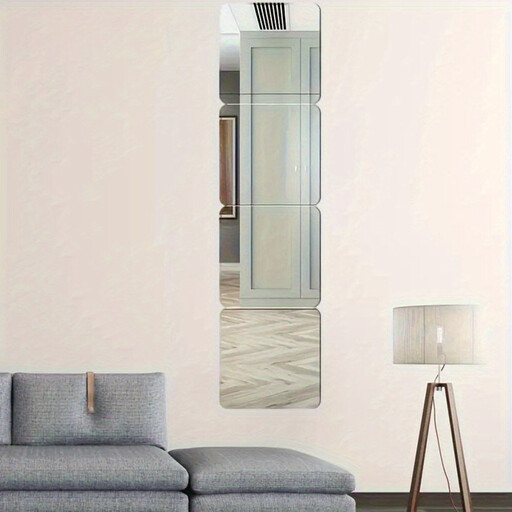
Why this product suits this profile: The set contains four square PVC elements, each measuring 20 × 20 cm. They can be installed individually or combined to create a continuous geometric surface, making them suitable for first-time DIY mirror projects.
The individual dimensions and pack size are clearly stated. This makes it possible to plan the required wall area realistically before buying.
Four equally sized, combinable elements; PVC construction with minimal installation effort.
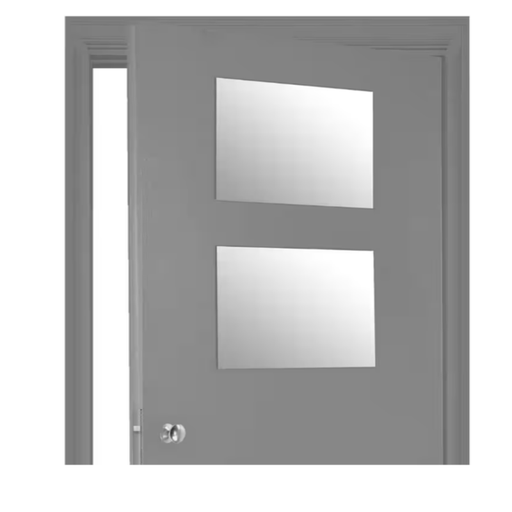
Why this product suits this profile: Two frameless mirrors measuring 40 × 40 cm provide a clearly defined, larger individual surface. They are well suited to modern, pared-back interiors in hallways, bedrooms or living rooms.
The larger individual size reduces the number of visible joints. However, installation still requires a smooth, clean wall and careful pressing.
Two square, frameless elements; self-adhesive installation according to the product description.
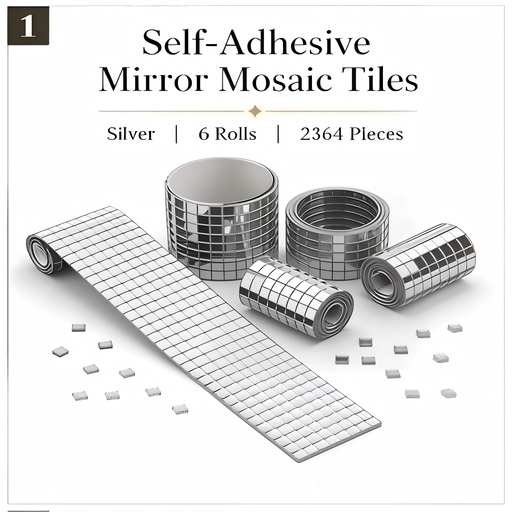
Why this product suits this profile: Six rolls containing a total of 2,364 small glass pieces are designed for extensive craft projects, mirror frames, wall decorations and creative applications.
The very high piece count is clearly stated. Buyers can plan the requirements for a mosaic instead of mistaking a small decorative set for a full-surface solution.
Glass material; 6 rolls; 2,364 square mosaic pieces for DIY and decorative applications.
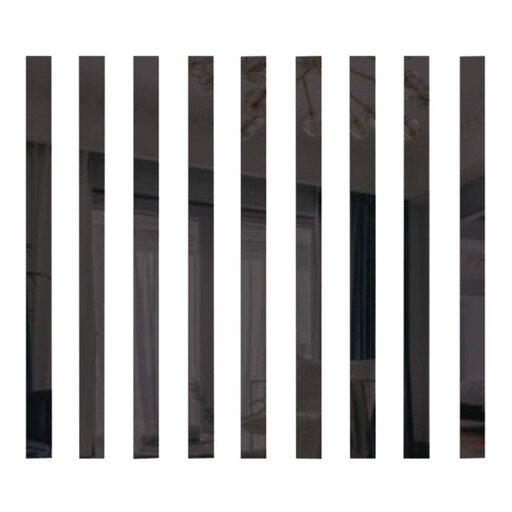
Why this product suits this profile: The ten strips measuring 5 × 35 cm are suitable for narrow wall areas, vertical patterns or decorative accents on furniture and doors.
The elongated format is clearly stated, preventing false expectations of a conventional full-length mirror.
Ten PVC strips; 5 × 35 cm per element; black, minimalist design according to the product description.
For mirrors installed without drilling, the wall should be free from dust and grease before application. With larger elements, it is advisable to have a second person help with alignment. After installation, the adhesive area should not be subjected to unnecessary strain at first.
For many surfaces, a soft, dry cloth is all that is needed for cleaning. Glass can be cleaned with a mild glass cleaner, provided this is permitted in the product description. Abrasive products, hard sponges and harsh cleaners can damage the surface.
When removing the mirror, do not pull it off abruptly. Loosening it slowly along the wall reduces stress on the substrate. PVC or acrylic elements should also be handled carefully to prevent them from bending.
We have put together a complete, regularly updated list of products that fully meet these strict selection criteria and the safety regulations applicable in the EU.
That depends on the type of wallpaper, adhesive surface and product weight. On delicate, textured or incompletely bonded wallpaper, the connection may be unreliable. Testing the product in a concealed area is advisable.
There is no single fixed lifespan that applies in every case. It is influenced by factors including the condition of the wall, humidity, temperature, weight and quality of the adhesive surface. With larger elements, regularly checking for lifting edges may be worthwhile.
Only if the particular item is designed for bathroom conditions. Moisture, water vapour and temperature fluctuations can affect adhesion. The surface must also be clean, dry and smooth in the bathroom.