
Lieferung heute & morgen

Qualitätsgarantie

Willkommens-Angebote freischalten: KOSTENLOSE Lieferung | Bis zu 80 % RABATT | Kostenlose 30-Tage-JoyPlus-Testphase
App herunterladen
As a Joybuy Product Recommendation Officer, I filter market information to provide you with objective and practical advice. This guide will help you choose the right automatic litter box and avoid common purchasing pitfalls.
For many pet owners, daily litter box scooping is a tedious chore. A self-cleaning cat litter box with an app promises a solution: better hygiene, less odour, and significant time savings. However, the market is flooded with models whose marketing claims often don't hold up in practice. Before you invest, it's crucial to understand the typical pitfalls.
To make an informed decision, you should evaluate three core parameters. These determine the safety, hygiene, and real-world usability of the device.
Your cat's safety is the top priority. A reliable electric litter box combines multiple sensor technologies.
The efficiency of the self-cleaning process depends on the mechanism and the materials used. Most systems use a rotating drum that separates clean litter from clumps. The clumps then fall into a separate, sealed waste compartment. A non-stick inner surface on the drum is crucial, as it prevents wet residue from sticking and makes cleaning significantly easier. You should also check if the device is compatible with your preferred clumping cat litter (e.g., bentonite, tofu, or mixed litters).
A litter box with app control offers more than just remote activation of cleaning cycles. The most valuable features are related to health monitoring.
Based on the criteria above, we have identified several products that are well-suited for different user profiles.
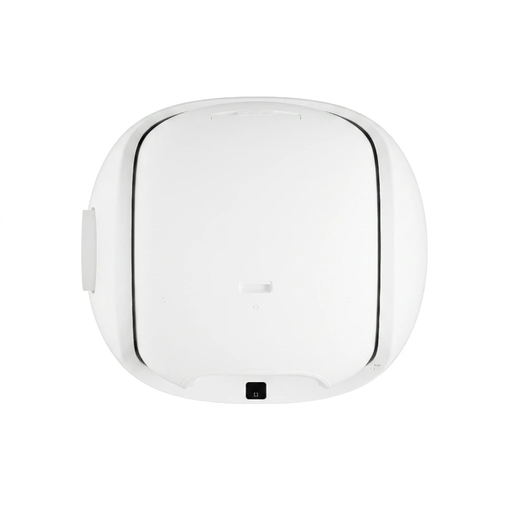
Why This Fits Their Persona: Ideal for multi-cat households seeking a robust, spacious, and intelligent solution. The AI-powered recognition and detailed health reports for each pet offer genuine added value.
The combination of a sealed waste bin and specialised odour control technology (OdorLock) effectively combats odours, going beyond simple containment.
Its large capacity (70L) reduces the frequency of maintenance. The AI-based recognition provides precise health data for each individual cat.
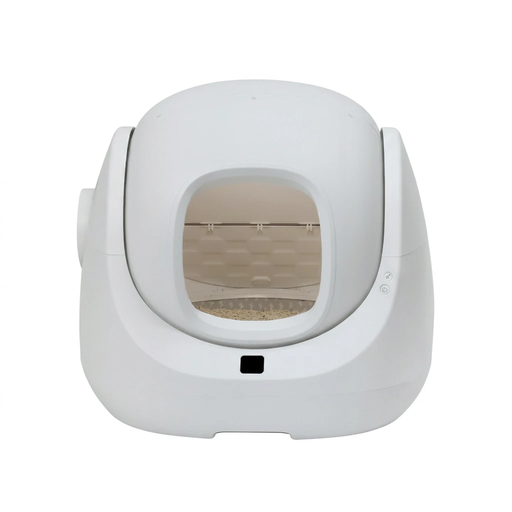
Why This Fits Their Persona: Perfect for cat owners who prioritise safety above all, or for those seeking a solution for older or more cautious cats. The low entry point makes it easily accessible.
It addresses the pitfall of unreliable sensors with an 8-point safety system, which the manufacturer states includes gravity sensors, infrared sensors, and an anti-pinch mechanism.
The very low 20 cm (7.9 in) entry point is also suitable for cats with limited mobility. The drum can be completely disassembled for easy deep cleaning.
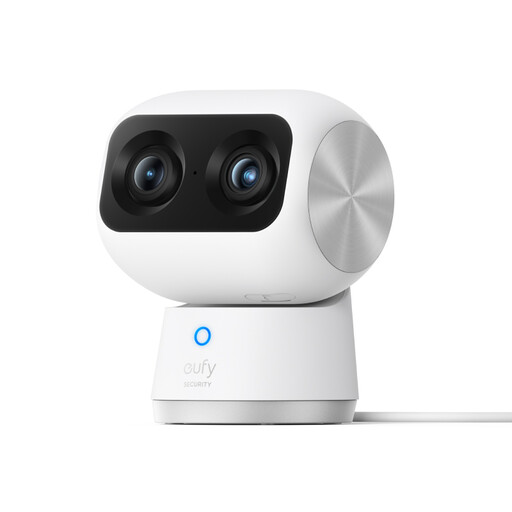
Why This Fits Their Persona: For owners who want to monitor not just litter box habits, but their pets' overall behaviour. An ideal companion to a smart litter box.
While an app-enabled litter box only provides data, this camera allows for visual verification. You can see if a cat is having difficulty using the box or is being disturbed by others.
The 360° pan-and-tilt function covers the entire room. AI-powered human and pet detection focuses on relevant events and automatically tracks movement.
We have compiled a complete, up-to-date list of products that fully meet these strict selection criteria and rigorous safety standards.
First, place the new litter box next to the old one without turning it on. Give your cat time to inspect the new device. Add some used litter from the old box to the new one to create a familiar scent. Once your cat has accepted the new box, you can remove the old one and activate the automatic function. Start with a mode that has a long cleaning delay so your cat doesn't get startled.
Most self-cleaning litter boxes work exclusively with high-quality, hard-clumping cat litter. This is the only way for the sifting mechanisms to cleanly separate urine and faeces from the remaining litter. Non-clumping litter, silica crystals, or pellets are generally unsuitable and can damage the device. Always follow the manufacturer's recommendations.
The frequency depends on the number of cats you have and the size of the waste bin. For one cat and a bin with a capacity of about 7-10 litres, emptying it every 10 to 15 days is a realistic guideline. With multiple cats, the interval will be shorter. Most apps will send a notification when the bin is full.