
Lieferung heute & morgen

Qualitätsgarantie
App herunterladen
Kategorien
Manually cleaning the litter box is a daily chore for pet owners. An automatic litter box can significantly reduce this effort while improving hygiene for both pet and owner. These systems automatically separate waste from clean litter and deposit it into a sealed waste container. This results in fewer unpleasant odors and a consistently clean environment for your cat. The market offers various models that differ in technology, capacity, and range of functions. An informed selection should be based on an analysis of technical specifications and how they align with your household's specific needs.
The decision for a particular model should be based on an objective evaluation of parameters that define its practical utility and everyday safety.
The most common systems use a rotational mechanism or a raking system.
Compatibility with different types of cat litter (bentonite, tofu, mixed litter) is a crucial factor. Manufacturers typically specify which litter types are suitable for optimal performance.
The material of the litter box affects its durability and ease of cleaning. Stainless steel litter boxes offer a non-porous, smooth surface that retains less residue and does not absorb odors. Plastic models are lighter but can develop scratches and absorb odors over time.
Capacity is particularly relevant for households with large cat breeds or for a litter box for multiple cats. An XXL litter box with a large interior (e.g., over 70 litres) and a high-capacity waste container (e.g., 7 litres or more) significantly reduces the frequency of maintenance. Pay attention to the dimensions of the entrance and the internal height to ensure your cat can comfortably get in and out, as well as turn around inside.
An effective odor-proof litter box combines several technologies. A sealed waste container is fundamental. Additional systems, such as activated carbon filters or special deodorant cartridges (e.g., N50 deodorizers), actively neutralize ammonia and other odor molecules. The automatic and rapid removal of clumps from the main area is the most effective factor in odor reduction.
Modern devices are often a smart litter box with an app. This allows for remote control of cleaning cycles, delivers notifications (e.g., when the waste container is full), and records usage data. Some models offer health monitoring through integrated weight sensors that log the cat's weight with each use.
The cat's safety is the top priority. Essential safety features include:
Based on an analysis of technical specifications and practical benefits, we present a selection of models that cater to different needs.
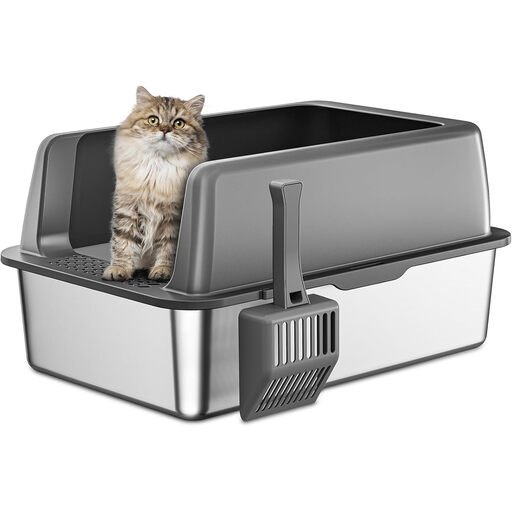
Why we recommend this product: While this model is not self-cleaning, it represents a high-quality manual alternative designed for durability and maximum hygiene. The focus is on material quality and a thoughtful design to reduce litter scatter and odor.
Advantages:
Best for: Cat owners who prefer an extremely durable, hygienic, and odor-resistant solution without electronics and want to minimise cleaning effort through superior design.
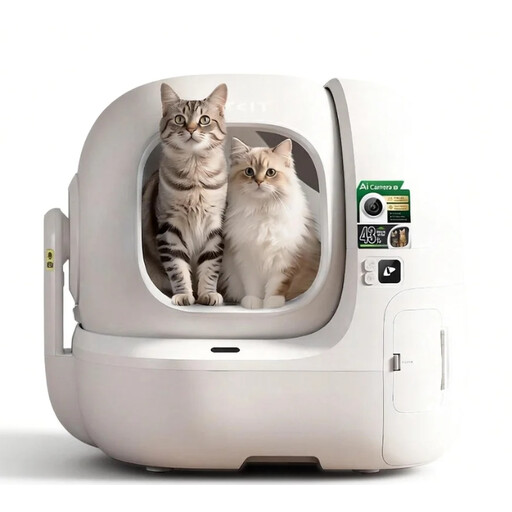
Why we recommend this product: This model integrates advanced technology for automation and health monitoring. The combination of an AI camera, sensors, and app control offers a high degree of control and insight into your cat's well-being.
Advantages:
Best for: Tech-savvy cat owners, especially in multi-cat households, who are looking for a fully automated solution with detailed health monitoring and app functionality.
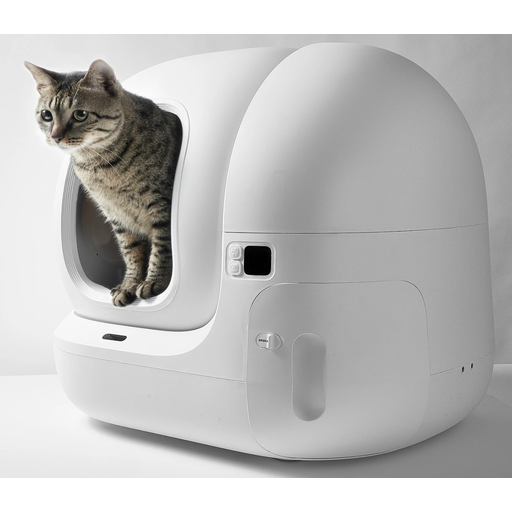
Why we recommend this product: The Pura Max 2 focuses on high capacity and a robust, reliable cleaning system. It is a pragmatic, automated solution for households with multiple or large cats.
Advantages:
Best for: Owners of multiple cats or large breeds looking for a reliable, low-maintenance, and safe self-cleaning litter box with a large capacity and app connectivity.
If the featured models do not exactly meet your requirements, or if you are looking for complementary pet hygiene products, you can find a broader selection of cleaning solutions in our Cat Pet Cleaning category.
1. How does a self-cleaning litter box work? After the cat leaves the litter box, the system waits for a preset amount of time to allow the litter to clump. Then, an automatic mechanism (e.g., a rotating drum or a rake) activates, separating the solid clumps from the clean litter and depositing them into a sealed waste container.
2. Are self-cleaning litter boxes safe for cats? Modern devices are equipped with a variety of sensors to ensure safety. Weight sensors in the base, infrared sensors at the entrance, and mechanical anti-pinch mechanisms detect the cat's presence and immediately stop the cleaning cycle to prevent injury.
3. What type of cat litter is needed for a self-cleaning litter box? Most self-cleaning litter boxes are optimised for use with clumping cat litter. The litter's ability to form solid, stable clumps is crucial for the effectiveness of the cleaning mechanism. It is advisable to follow the manufacturer's recommendations, as some systems work best with specific types of litter (e.g., bentonite or tofu litter).