
Lieferung heute & morgen

Qualitätsgarantie

Willkommens-Angebote freischalten: KOSTENLOSE Lieferung | Bis zu 80 % RABATT | Kostenlose 30-Tage-JoyPlus-Testphase
App herunterladen
Cleaning the litter box daily is a chore few cat owners enjoy. A self-cleaning litter box promises a clean, odour-free environment and more time for quality moments with your pet. However, the market is flooded with models making lofty promises that aren't always kept. Before you invest, it's crucial to understand the common pitfalls that can lead to disappointment and unnecessary expense.
As your Joybuy Product Recommendation Officer, I'm here to help you separate marketing hype from practical reality. Let's focus on the three most common problems that arise when choosing a model:
To avoid a bad purchase, you should focus on the technical features that directly impact everyday convenience and safety. An automatic litter box is more than just a motor moving a rake.
Your cat's safety is the top priority. A reliable device must have multiple sensors to ensure the cleaning cycle never starts or stops immediately if your cat is inside or near the unit. Look for a combination of:
Systems like PETKIT's xSecure system integrate several of these technologies, offering comprehensive protection.
Size is crucial, especially in a multi-cat household. Two metrics are relevant here:
A good litter box with odour control also features a hermetically sealed waste bin and, ideally, an additional deodorising system that actively neutralises odours.
A smart litter box with app control should offer more than just remote activation of the cleaning cycle. Truly useful features include health monitoring. The app can log your cat's weight, as well as the duration and frequency of their bathroom visits. Deviations from the norm can be early indicators of health problems, giving you the opportunity to consult a vet in a timely manner. Also, check if the app allows for individual recognition in a litter box for multiple cats.
Here are some models tailored to specific needs and households that cleverly avoid the pitfalls mentioned.
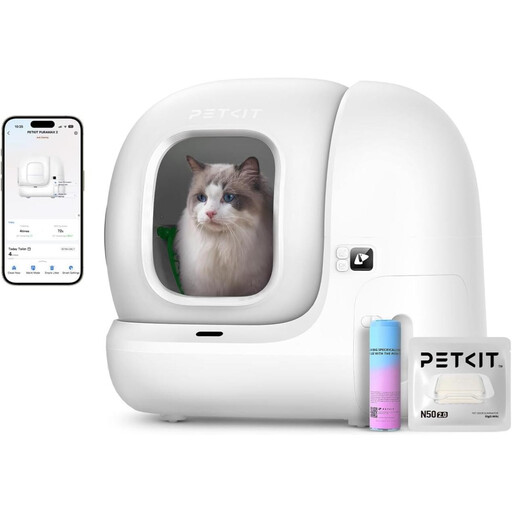
Why This Fits Their Persona: With its extra-large 76-litre drum and 7-litre waste bin, this model is ideal for households with multiple or large cats. The PETKIT app allows for separate tracking and monitoring of each cat.
According to the manufacturer, the N50 2.0 Deodorising Module actively neutralises up to 98% of ammonia. The device is also compatible with most common clumping litters, which minimises running costs.
Comprehensive xSecure safety system with thermal, infrared, and weight sensors. The Tri-Proof mat prevents sticking and leaking, making cleaning easier.
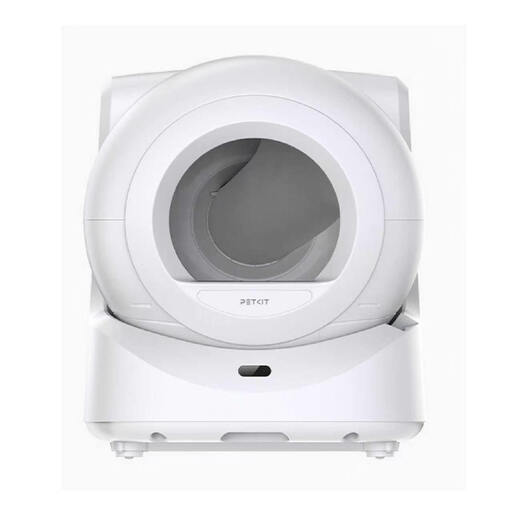
Why This Fits Their Persona: For owners who want to keep a close eye on their cat's well-being. The integrated camera and detailed health monitoring in the app provide valuable data on weight and toilet behaviour.
The app provides concrete health data that goes far beyond a simple cleaning function. The enclosed design effectively reduces the spread of litter and odours in the home.
Real-time monitoring via camera and proactive health alerts. The combination of automatic cleaning and data collection offers a high degree of security and control.
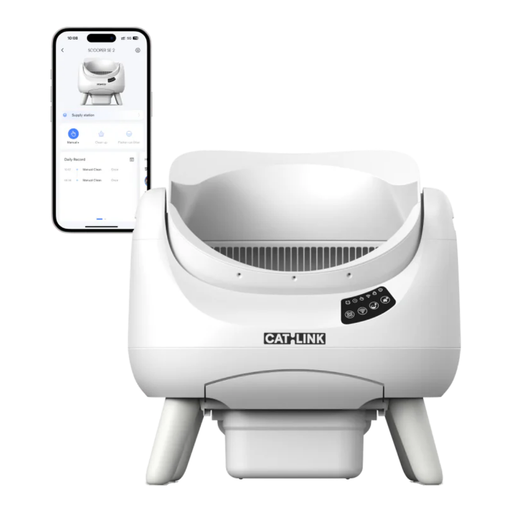
Why This Fits Their Persona: This model from Catlink offers a solution for cats that avoid enclosed litter boxes. It combines the convenience of automation with an open design that provides a more natural feel and makes acclimatisation easier.
The open design prevents odour build-up inside. Nevertheless, a sealed 12-litre waste bin ensures effective odour control at the point of disposal. It is suitable for cats up to 10 kg.
Unique open-top design for high acceptance among cats. Still offers full automation, app control, and health monitoring for up to 20 cats.
We have compiled a complete, up-to-date list of products that fully meet these strict selection criteria and UK safety regulations.
First, place the new unit next to the old litter box without turning it on. Fill it with your cat's usual litter. Give your cat a few days to explore and accept the new device. Once they start using it regularly, you can remove the old box and activate the automatic cleaning function. It's best to start with a mode that cleans 15-30 minutes after use to avoid startling the cat.
Most self-cleaning litter boxes are designed for use with high-quality clumping litter. Bentonite litter, tofu litter, or mixed litter types generally work very well. Avoid non-clumping litter, silica crystals (unless explicitly permitted by the manufacturer), or litter with very coarse grains, as these can block or damage the sifting mechanism. Always check the manufacturer's specifications for compatibility.
The frequency depends on the number of cats you have and the size of the waste bin. As a rule of thumb: for a single cat and a bin volume of 7-13 litres, you will need to change the bag approximately every 10 to 15 days. With two cats, the interval shortens to about 5-7 days. Most apps will send you a notification when the bin is full.