
Lieferung heute & morgen

Qualitätsgarantie

Willkommens-Angebote freischalten: KOSTENLOSE Lieferung | Bis zu 80 % RABATT | Kostenlose 30-Tage-JoyPlus-Testphase
App herunterladen
As a cat owner, you know that cleaning the litter box daily is one of the less pleasant chores. A self-cleaning litter box promises significant relief: less effort, better hygiene, and an odour-free home. However, the market is flooded with models whose marketing promises often don't hold up to reality. A high investment can quickly turn into a bad buy if the device fails to meet basic requirements.
This guide serves as your roadmap. We'll highlight the most common pitfalls and explain which technical parameters truly matter, so you can make an informed decision.
Before choosing a model, you should be aware of the typical weaknesses that often only become apparent in everyday use.
To avoid the problems mentioned above, you should focus on three core areas when making your choice. These objective criteria will help you realistically assess a device's performance and safety.
A reliable safety system is non-negotiable. Modern devices use a combination of multiple sensors to ensure comprehensive detection of a cat's presence. Look for systems that integrate at least the following components:
Systems like the xSecure system combine these technologies to create a comprehensive safety architecture. Check the specifications carefully and give preference to models that rely on such a multi-layered approach.
The size of the device is crucial, especially in a multi-cat household. Two measurements are relevant here:
A well-sealed waste bin is also a central component for effective odour removal in the litter box.
An advanced automatic litter box combats odours on multiple levels. In addition to a sealed waste container, special deodorant systems are an important factor. Modules like the N50 2.0 Deodorizer are designed to chemically neutralise ammonia—the main cause of urine odour—rather than just masking it with fragrances.
At the same time, the device must be compatible with common clumping litter. Whether you prefer bentonite, tofu, or mixed litter, the mechanism should be able to reliably sift the clumps without sticking. A non-stick coating inside the drum can significantly simplify cleaning.
Based on the criteria above, we have put together a selection of products suitable for specific user profiles and their needs.
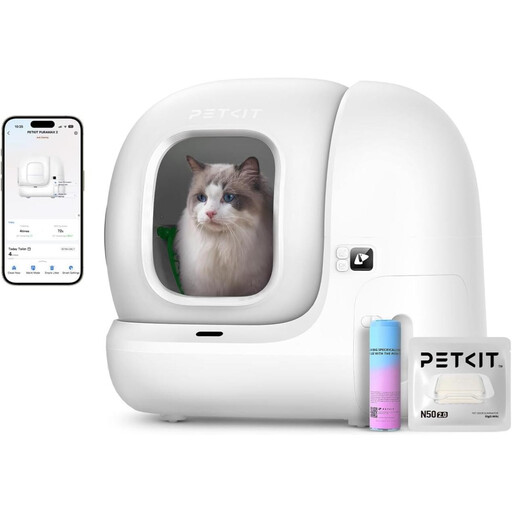
Why This Fits Their Persona: Ideal for owners of multiple cats who value automation, safety, and data. The app control allows for remote management and health monitoring of each cat based on their weight and toilet habits.
The comprehensive xSecure safety system, with thermal, infrared, weight, and anti-pinch sensors, addresses the pitfall of unreliable safety. The large 76-litre drum and 7-litre waste bin are specifically designed for the demands of multi-cat households.
The app-controlled litter box provides full control over cleaning schedules and delivers health data. Compatible with all common types of clumping litter.
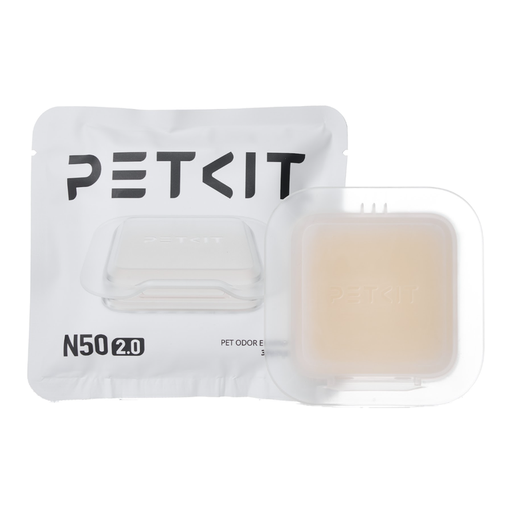
Why This Fits Their Persona: For apartment dwellers where discreet and effective odour control is the top priority. This accessory is not a standalone device but an integral part of the PETKIT Pura Max series' odour control system.
Directly addresses the pitfall of insufficient odour control. Instead of just masking odours, the formula specifically neutralises ammonia molecules within the Pura Max's sealed waste bin. This ensures proactive and long-lasting odour elimination.
Targeted odour neutralisation right at the source. Each unit is effective for approximately 30 days. Replacement is hygienic and simple thanks to its plastic housing.
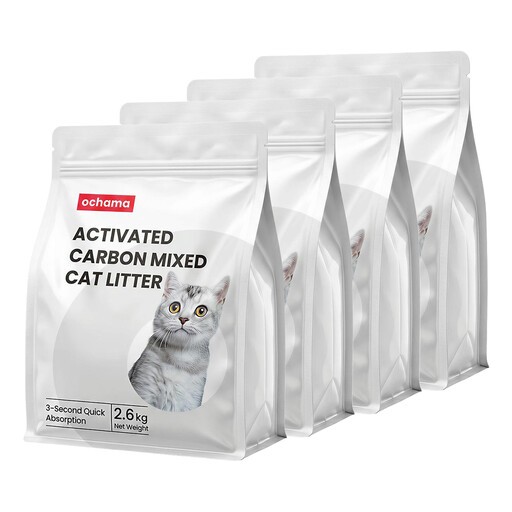
Why This Fits Their Persona: For users of an automatic litter box who understand that the device's efficiency is heavily dependent on the quality of the litter. This product maximises the hardware's performance through optimal clumping and odour absorption.
Counteracts the pitfall of complicated cleaning. The blend of 67% tofu litter and 27% bentonite forms solid, stable clumps extremely quickly. This prevents smearing inside the drum and significantly reduces the manual cleaning effort required for the device.
Dual odour control with activated carbon and yucca extract. The low-dust formula is gentle on the respiratory system and keeps the device's sensors clean. The tofu component is water-soluble.
The right accessories are crucial for effective odour control. We've compiled a complete, up-to-date list of products that meet strict selection criteria.
1. How long does it take for a cat to get used to a self-cleaning litter box? The adjustment period varies for each cat. It's recommended to initially place the new device next to the old litter box and disable the cleaning function for the first 2-3 days. Fill it with the usual litter and let the cat explore the device at its own pace. Once it has accepted it, the old litter box can be removed.
2. What are the ongoing costs associated with an automatic litter box? Ongoing costs include power consumption (which is typically very low), cat litter, special waste bags for the container, and, if applicable, replacement deodorant modules. The device's efficiency can optimise litter consumption compared to manual cleaning, as only the clumped areas are removed.
3. Is a litter box with app control really necessary? App control is not a must-have, but it offers significant advantages. It allows you to manually trigger cleaning cycles remotely, customise schedules, and sends notifications when the waste bin is full. For models with weight sensors, the app can also provide valuable data about your cat's health, such as weight changes or the frequency of litter box use.