
Lieferung heute & morgen

Qualitätsgarantie

Willkommens-Angebote freischalten: KOSTENLOSE Lieferung | Bis zu 80 % RABATT | Kostenlose 30-Tage-JoyPlus-Testphase
App herunterladen
Cleaning the litter box daily is a recurring chore for every cat owner. It's crucial for household hygiene and your pet's well-being. A self-cleaning litter box can automate this process, minimising cleanup effort and reducing odours.
As a Joybuy Product Recommendation Officer, my role is to provide you with an objective overview of the available technologies and models. This article explains how they work, outlines key purchasing criteria, and presents a selection of devices to help you make an informed decision.
Choosing the right model depends on several factors, including the number of cats you have, their size, and your personal preferences for convenience and technical features.
Automatic litter boxes use various mechanisms to separate used litter from clean litter. Common methods include rotating drums or raking systems that move clumps into a separate waste compartment. Litter compatibility is crucial. Most models are designed for clumping bentonite or plant-based litter. However, some specialised devices, like those with disposable trays, require crystal litter. Always check the manufacturer's specifications before purchasing, as using the wrong type of litter can damage the mechanism.
For a multi-cat household or owners of large breeds like Maine Coons or Norwegian Forest Cats, the interior volume and the size of the waste container are critical factors. A spacious interior ensures your cat can turn around comfortably. A high-capacity waste container (e.g., 7 litres or more) significantly reduces how often you need to empty it. Some manufacturers specify how many days the container will last for one cat, which serves as a useful benchmark.
Modern devices are often smart litter boxes with Wi-Fi connectivity. A litter box with app control allows you to manually start cleaning cycles, check the waste container's level, or receive notifications. Advanced models also offer health monitoring features. Integrated scales track your cat's weight with each use, while sensors log the frequency and duration of their visits. A litter box with a camera can even help assign data to individual pets in a multi-cat household and detect behavioural changes early.
Based on the criteria mentioned, we have compiled a selection of models that cater to different needs.
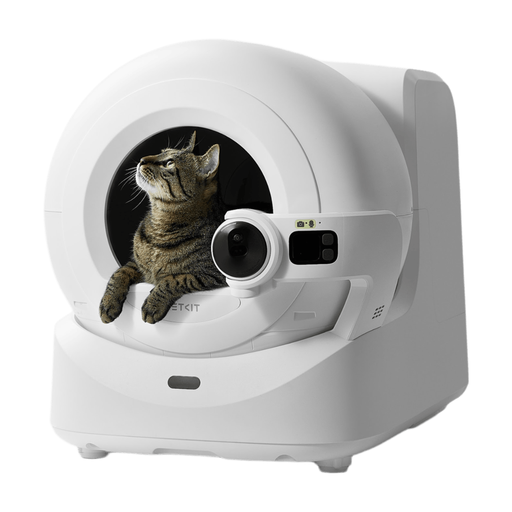
What Makes This Model Stand Out The PETKIT Purobot Ultra combines an automatic sifting mechanism with an integrated camera for monitoring. Its enclosed design provides privacy for your cat and helps reduce odours and litter tracking. The health monitoring functions capture data such as weight and frequency of use.
Benefits at a Glance:
Who Is This Model For? This model is an excellent choice for cat owners seeking reliable automation combined with visual monitoring and basic health data collection.
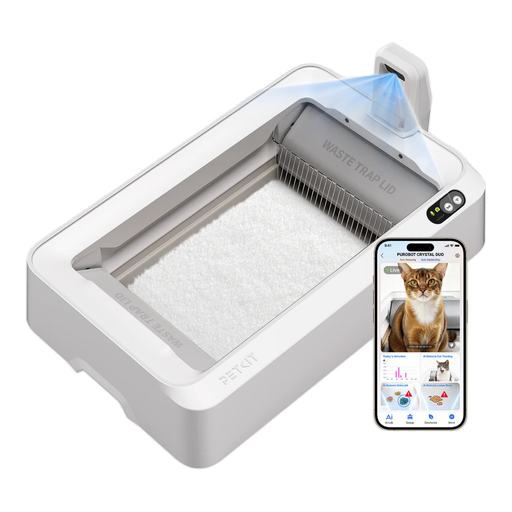
What Makes This Model Stand Out The Purobot Crystal Duo is specifically designed for use with crystal litter in disposable trays. According to the manufacturer, one tray can last up to 30 days for a single cat without manual cleaning. An integrated AI camera helps monitor litter box habits.
Benefits at a Glance:
Who Is This Model For? Ideal for cat owners who prefer a low-maintenance solution and are willing to use a system with special crystal litter and disposable trays. Suitable for cats weighing 1.5 kg (3.3 lbs) and up.
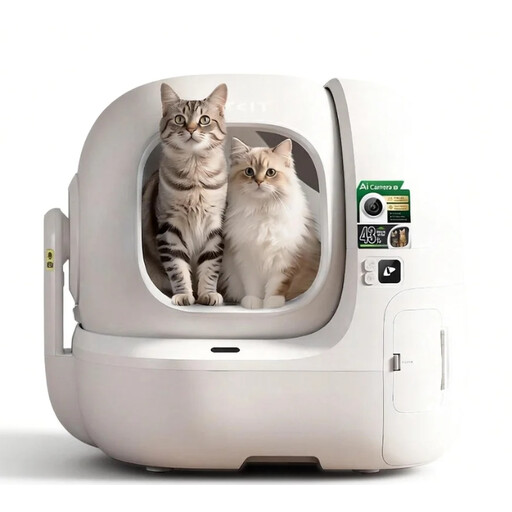
What Makes This Model Stand Out The Purobot Max Pro2 is an advanced model designed for large cats and multi-cat households. It features a 43% larger entrance, a spacious 76-litre interior, and an 8-litre waste container. The 210° wide-angle AI camera enables facial recognition to distinguish between multiple cats. When used with special pH-sensitive litter, the system can indicate changes in urine pH levels, according to the manufacturer.
Benefits at a Glance:
Who Is This Model For? This premium model is aimed at discerning owners of multiple or large cats (3.3 to 22 lbs) who value maximum automation, detailed health monitoring, and superior convenience.
If these recommendations don't include the perfect model for you, you can find a wider selection of devices with various features and at different price points.
Explore more models in our Litter Robots category.
After the cat leaves the litter box, the device waits for a preset amount of time to allow the litter to clump. An automatic cleaning cycle then begins. A mechanism (such as a rotating drum or a rake) sifts out the solid clumps and deposits them into a sealed waste container. The clean litter remains in the main compartment for the next use.
Modern devices are equipped with a range of safety sensors. These include weight sensors, infrared sensors, and anti-pinch mechanisms. These sensors detect when a cat is inside or approaching the unit and immediately stop the cleaning cycle to ensure the pet's safety.