
Lieferung heute & morgen

Qualitätsgarantie

Willkommens-Angebote freischalten: KOSTENLOSE Lieferung | Bis zu 80 % RABATT | Kostenlose 30-Tage-JoyPlus-Testphase
App herunterladen
As a Joybuy Product Recommendation Officer, I analyse market information to provide you with objective and practical shopping advice. This guide will help you see through the promises of marketing campaigns and make an informed decision on an automatic litter box.
Cleaning the litter box daily is a recurring chore that many cat owners find tedious. A self-cleaning litter box promises a solution: more hygiene, less odour, and a significant increase in convenience. However, the market is flooded with models offering a wide range of features, and not all of them deliver on their promises. Before you invest, you should be aware of the most common pitfalls that can lead to disappointment and unnecessary expense.
Common Pitfalls When Buying:
To avoid a bad purchase, you should focus on objective, technical features. These three parameters are crucial for the functionality, safety, and longevity of an automatic litter box.
The way the device cleans and stores waste is the heart of any automatic litter box. Two systems are common:
More important than the system itself is the waste management. Pay close attention to how the waste container is designed. Is it completely sealed? Does the system use special bags that seal automatically? An effective seal is the key to a truly odour-free litter box. The container's capacity also determines how often you need to empty it—an important factor, especially for a litter box for multiple cats.
A high-quality smart litter box has a multi-level safety system to ensure your cat's well-being. Look for the following sensors:
A system that combines several of these sensor types offers a high degree of safety.
An app-connected litter box offers much more than just remote control. It becomes a tool for preventative health care. Through the app, you can:
These smart features provide real added value, especially in multi-pet households, as modern devices are often able to distinguish between individual cats based on their weight.
Based on the criteria above, we have identified a few models that are suitable for different needs and households.
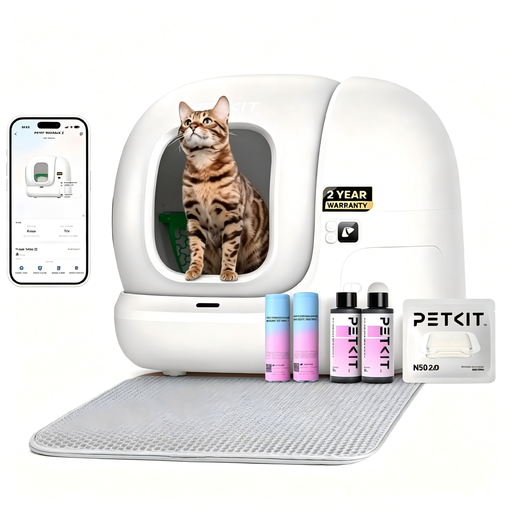
Why this model is a good fit: With a 76-litre interior and a 7-litre waste container, this device is specifically designed for the demands of multi-cat households or owners of large breeds like Maine Coons.
The xSecure safety system with multiple sensors addresses safety concerns. The deodorising system and sealed container counteract the problem of poor odour control.
Large capacity and compatibility with all common types of clumping litter (except crystal litter). The app control allows for detailed monitoring of each cat.
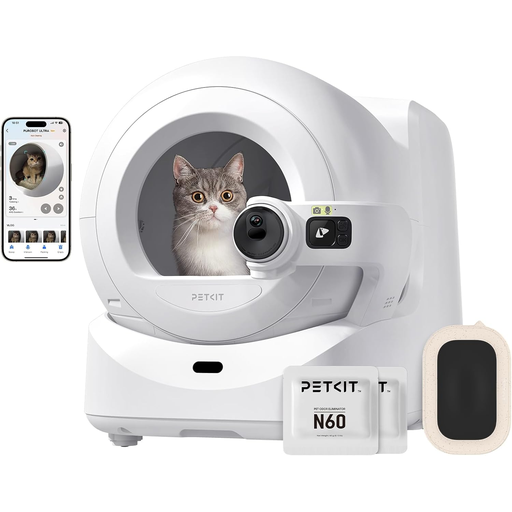
Why this model is a good fit: This device is aimed at owners who want not only convenience but also detailed insights into their cat's health and behaviour. The integrated camera is the standout feature here.
Addresses the pitfall of unreliable sensors through a combination of camera monitoring and health tracking (weight, frequency), which goes far beyond simple presence sensors.
Integrated smart camera for real-time monitoring and advanced health tracking functions. The enclosed design also reduces litter tracking and odours.
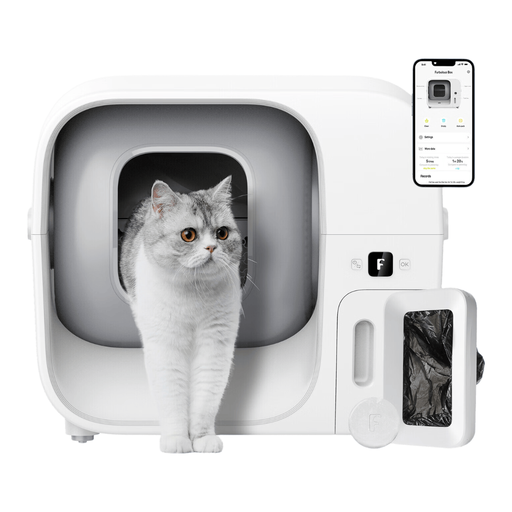
Why this model is a good fit: For users whose top priority is avoiding any contact with waste and odours. The system not only automates the cleaning but also the packing and sealing of the waste.
Solves the pitfall of poor odour control in an innovative way by automatically sealing the waste bag. This completely prevents odours and germs from escaping.
World's first system with automatic packing and sealing of the waste bag. This offers a high level of hygiene and convenience, as contact with the waste is minimised.
We have compiled a complete, up-to-date list of products that fully meet these strict selection criteria and German safety regulations.
Most self-cleaning litter boxes work best with high-quality, fast-clumping bentonite litter. Some models are also compatible with tofu or mixed litters. Be sure to check the manufacturer's specifications, as using the wrong type of litter (e.g., non-clumping litter or silica/crystal litter in a sifting system) can damage the mechanism.
First, place the new device next to the old litter box without turning it on. Fill it with the usual litter and perhaps add a small amount of used litter from the old box to create a familiar scent. Once your cat accepts and uses the new device, you can remove the old litter box and activate the automatic functions. For the first few days, disable the automatic cleaning so your cat isn't startled by the noise.
The frequency depends on the number of cats you have, the size of the waste container, and usage. For a single cat, most models require the container to be emptied every 10 to 15 days. With multiple cats, this interval shortens accordingly. A good smart litter box will notify you via the app when the container is full.