
Lieferung heute & morgen

Qualitätsgarantie

Willkommens-Angebote freischalten: KOSTENLOSE Lieferung | Bis zu 80 % RABATT | Kostenlose 30-Tage-JoyPlus-Testphase
App herunterladen
Daily litter box scooping is one of the less glamorous aspects of living with our feline companions. A self-cleaning litter box promises significant relief: better hygiene, less odour, and more time to enjoy the precious moments with your pet. However, the market is flooded with models whose marketing promises don't always hold up in practice. As your Joybuy Product Recommendation Officer, I'm here to help you identify the crucial features and avoid common purchasing pitfalls.
Many buyers invest in an expensive device, only to find after a few months that it fails to meet their expectations. The most common problems include:
To avoid buyer's remorse, let objective technical parameters—not marketing slogans—guide your decision. Three factors are crucial for the functionality and safety of an automatic litter box.
The type of cleaning mechanism determines the device's efficiency. Two systems are common: rotating drums that separate clean litter from clumps, and rake-based systems that push clumps into a waste container. Drum systems are often considered more thorough and less prone to sticking.
A critical point is litter compatibility. Not every automatic litter box works with every type of litter. Before purchasing, check carefully whether the device is designed for your preferred litter type (e.g., fine bentonite clumping litter, tofu litter, or coarser-grained variants). Using the wrong litter can jam the mechanism and significantly impair cleaning performance.
A high-quality, self-cleaning litter box must be equipped with a multi-stage safety system to eliminate any risk to your pet. Look for a combination of the following sensors:
A system that combines several of these technologies (often branded as "xSecure" or similar) offers the highest level of safety.
For multi-cat owners, or for anyone who wants to empty the waste bin as infrequently as possible, capacity is key. An XXL litter box with a large interior and a waste drawer of 7 litres or more can often go for several weeks in a single-cat household without needing to be emptied.
An advanced litter box with odour control goes beyond simple filters. Modern systems use sealed waste drawers, specialised waste bags, or even active deodorising modules that neutralise odour molecules. A smart litter box with app control also allows you to schedule cleaning cycles and deodorising functions individually, tailoring them to your cat's habits.
Based on the criteria above, we have identified several models that represent a smart choice for different needs and households.
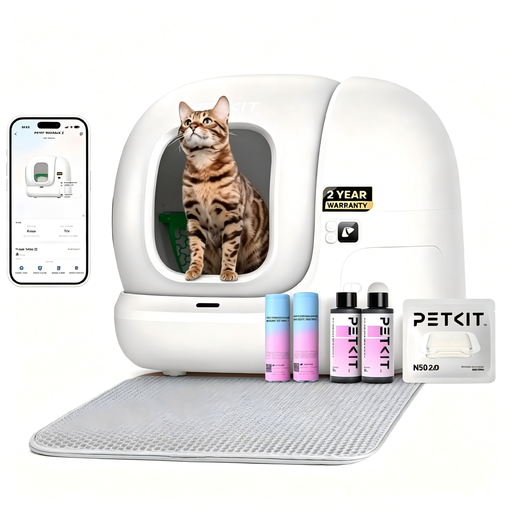
Why This Fits Their Persona: Ideal for multi-cat households or for owners who value large capacity and smart features. The app control provides full command over cleaning schedules and cat health monitoring.
The drum system and its compatibility with all common types of clumping litter prevent ineffective cleaning. The multi-stage xSecure safety system addresses safety concerns, while the large waste volume and deodorising system bypass the odour trap.
Large Capacity: 76L drum and a 7L waste container.
Comprehensive Safety: xSecure system with thermal, infrared, weight, and anti-pinch sensors.
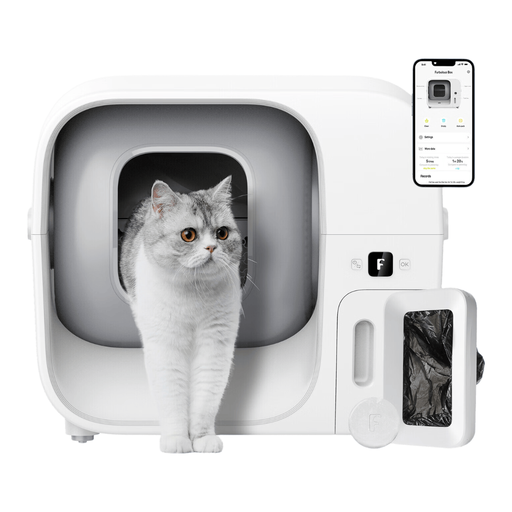
Why This Fits Their Persona: Perfect for users who want to completely avoid contact with cat waste. The focus is on clean, odour-free, and fully automated disposal.
This model addresses the odour trap with a system that automatically packs and seals the waste bag. This prevents the escape of odours and germs far more effectively than a simple lid or filter.
Automatic Packing & Sealing: The device seals the full waste bag and readies a new one.
Multiple Safety Sensors: Weight, proximity, and infrared sensors ensure the cat's safety.
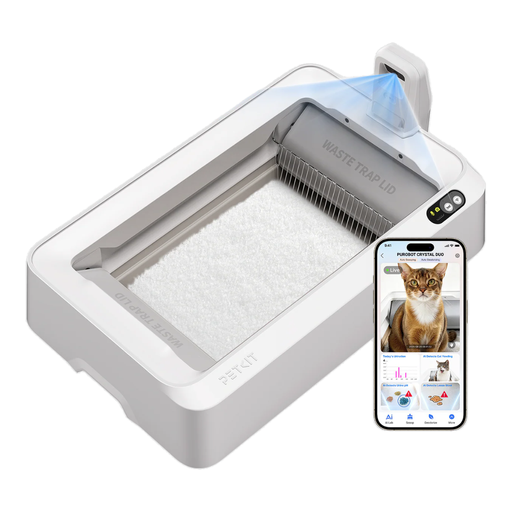
Why This Fits Their Persona: For cat owners who seek not only convenience but also want to proactively monitor their pet's health. The integrated camera provides valuable data on toilet behaviour.
This device goes beyond mere cleaning to offer real added value through health tracking. It avoids the trap of superfluous gimmicks by providing a feature with practical benefits: the early detection of urinary tract issues.
AI Camera for Health Monitoring: Tracks urination behaviour and can provide early warnings of irregularities.
Disposable System: Uses disposable trays with crystal litter for exceptionally hygienic handling.
We have compiled a complete, up-to-date list of products that fully meet these strict selection criteria and relevant safety standards.
1. How long does it take for a cat to get used to a self-cleaning litter box? The acclimation period varies for each cat. It's recommended to place the new unit next to the old litter box at first and to keep the automatic cleaning function disabled for the first few days. Once the cat has accepted the new box, the old one can be removed and the automatic mode can be activated.
2. What are the ongoing costs associated with a smart litter box? In addition to the initial purchase price, there are costs for consumables. Depending on the model, this can include special waste bags, deodorising agents, and the appropriate cat litter. Some models require proprietary consumables, while others are compatible with standard products, which can lower the running costs.
3. Do all automatic litter boxes support app control? No, not all models offer app connectivity. However, an app-controlled litter box provides significant advantages, such as remote control of cleaning cycles, notifications when the waste drawer is full, and monitoring of your cat's weight and toilet habits, which can contribute to preventative health care. Check the product description to see if this feature is important to you.