
Lieferung heute & morgen

Qualitätsgarantie

Willkommens-Angebote freischalten: KOSTENLOSE Lieferung | Bis zu 80 % RABATT | Kostenlose 30-Tage-JoyPlus-Testphase
App herunterladen
The daily chore of cleaning the litter box is a task few cat owners enjoy. A self-cleaning litter box promises a clean, odour-free, and convenient solution. However, the market is filled with models whose promises don't always hold up in practice. Unmet expectations and overlooked flaws often lead to disappointment and unnecessary expense.
As your Joybuy Product Recommendation Officer, I'll help you identify the crucial features and avoid common pitfalls. This guide will show you what really matters to find a hygienic and reliable solution for you and your cat.
Many automated litter boxes look convincing at first glance. In daily use, however, weaknesses that manufacturers rarely mention often become apparent.
To avoid these problems, a thorough review of the technical specifications is necessary. Focus on the following three core parameters to make an informed decision.
The efficiency of an automatic litter box depends heavily on its cleaning mechanism. The most common systems are rotating drums and automatic rakes.
Regardless of the system, choosing the right cat litter is critical. Almost all models require a high-quality, fast- and hard-clumping cat litter. This is the only way the mechanism can cleanly separate waste from the remaining litter.
An effective automatic litter box actively combats odours rather than just masking them. Look for integrated systems that go beyond a simple lid. Effective technologies include:
A good odor control for the litter box is therefore a combination of a mechanical seal and active neutralisation.
For a litter box for multiple cats or for owners who don't want to empty the waste bin daily, capacity is crucial. A waste container with a volume of at least 7 litres is a good benchmark here.
Even more important are the safety features. A reliable device should have a multi-stage system:
A litter box with app control offers additional security here, as it not only allows for remote operation but also records usage data such as the cat's weight and toilet habits, which can serve as an early warning system for health problems.
Based on these criteria, we have selected products that address the specific needs of cat owners.
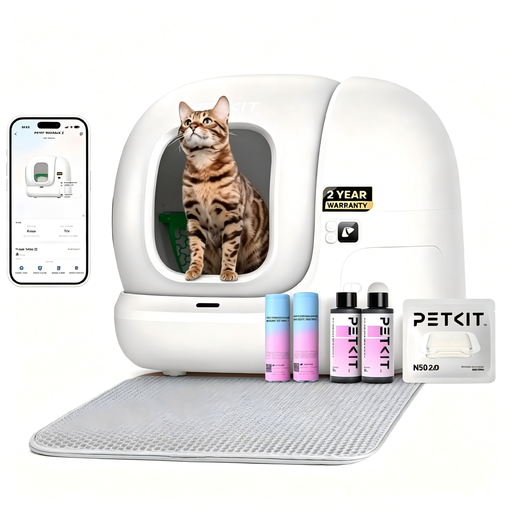
Why This Fits Their Persona: Ideal for tech-savvy owners of multiple cats who value maximum hygiene, safety, and control. The large capacity and app features are perfectly tailored to the demands of a busy, modern household.
The xSecure system with thermal, infrared, and weight sensors addresses the "Safety Gap." The deodorising system actively combats the "Odor Trap." The design, featuring a non-stick mat, reduces "Hidden Maintenance."
Large capacity (76L drum, 7L waste bin) and comprehensive health monitoring via the PETKIT app.
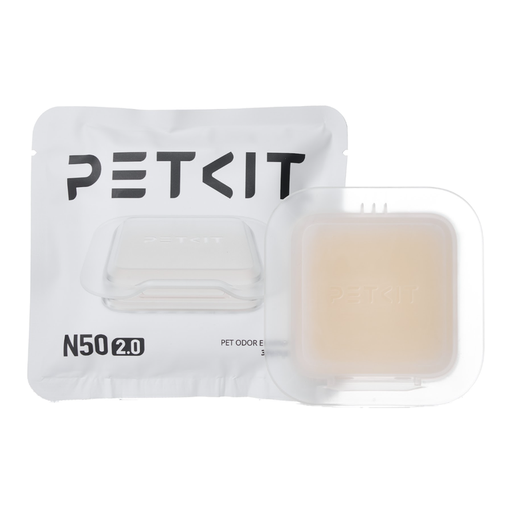
Why This Fits Their Persona: For owners of a compatible PETKIT model who want to take their odour management to the next level. This accessory is a targeted upgrade for maximum freshness without compromise.
This product is the direct answer to the "Odor Trap." It actively and precisely neutralises odours in the waste bin instead of just passively containing them, ensuring a consistently fresh environment.
Targeted odour elimination inside the waste bin. The hygienic plastic housing allows for a clean, touch-free replacement.
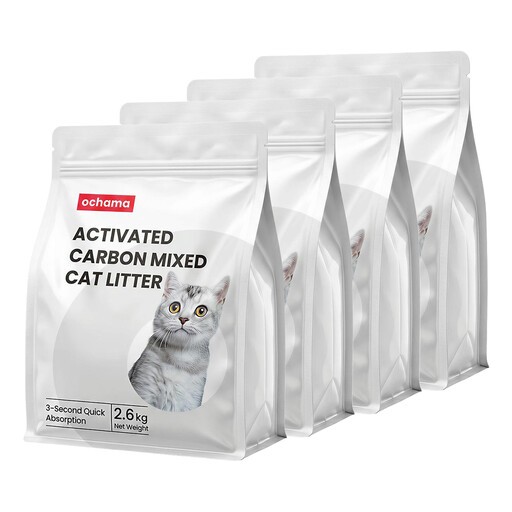
Why This Fits Their Persona: For cat owners who know that the performance of any litter box—manual or automatic—starts with the quality of the litter. This litter is designed for maximum performance in clumping and odour control.
Combats the "Odor Trap" at the source with activated carbon. Its fast and stable clumping action prevents clumps from breaking apart and sticking, which significantly reduces the "Hidden Maintenance" of automatic systems.
Scientifically formulated blend (tofu, bentonite, activated carbon) for dual odour absorption and fast, firm clumping within 3 seconds.
Proper odour control is crucial. We've compiled a complete, up-to-date list of products that meet strict selection criteria.
This depends on the model, the number of cats, and the litter used. As a general rule, a complete cleaning is recommended every 2 to 4 weeks. This involves replacing all the litter and cleaning the drum or pan and the waste bin according to the manufacturer's instructions. The sensors should also be wiped regularly with a dry cloth to ensure they function correctly.
No, choosing the right litter is crucial for proper function. Most models are designed exclusively for use with high-quality, clumping cat litter. Only this type forms firm, stable clumps that the mechanism can reliably sift out. Non-clumping litter, silica litter (crystals), or wood pellets are generally not compatible and can damage the device.
A litter box with app control offers more than just the convenience of starting cleaning cycles remotely. The most important function is health monitoring. The app records how often and for how long your cat uses the toilet, often capturing their weight as well. Changes in these patterns can be early indicators of health problems, giving you the opportunity to consult a veterinarian in a timely manner.