
Lieferung heute & morgen

Qualitätsgarantie

Willkommens-Angebote freischalten: KOSTENLOSE Lieferung | Bis zu 80 % RABATT | Kostenlose 30-Tage-JoyPlus-Testphase
App herunterladen
A self-cleaning litter box promises a significant upgrade to a cat owner's daily routine: less daily scooping, a more hygienic environment, and effective odour control. However, the market for automatic and smart litter boxes is crowded and confusing, and not every model delivers on its promises. Many devices turn out to be impractical or lead to ongoing costs and frustration due to hidden flaws.
This guide is designed to help you navigate the options. We'll highlight the most common pitfalls and explain the key technical specifications to look for, enabling you to make an informed decision for both you and your cat.
Before investing in an electric litter box, it's crucial to understand the typical weaknesses that often only become apparent with everyday use.
To avoid the problems mentioned above, you should focus on objective, technical features during your selection. These three parameters are critical for the functionality and safety of a self-cleaning litter box.
A reliable automatic litter box features a multi-stage safety system. Look for a combination of different sensors:
A system that combines several of these technologies offers a high degree of protection and prevents accidents.
For households with more than one cat, the unit's capacity is a key factor. Two metrics are relevant here:
Not every smart litter box works with every type of cat litter. Most models are optimised for clumping litter (e.g., bentonite, tofu, or mixed-material litters). The sifting mechanism is calibrated to the granule size of these litter types. Using non-clumping or silica litter can lead to clogs and malfunctions. Therefore, always check the manufacturer's specifications for litter compatibility before purchasing. A well-designed unit will also prevent litter from sticking to the inner walls, for example, through special coatings or flexible liners.
Based on the criteria above, we have identified several models suitable for different user profiles and needs.
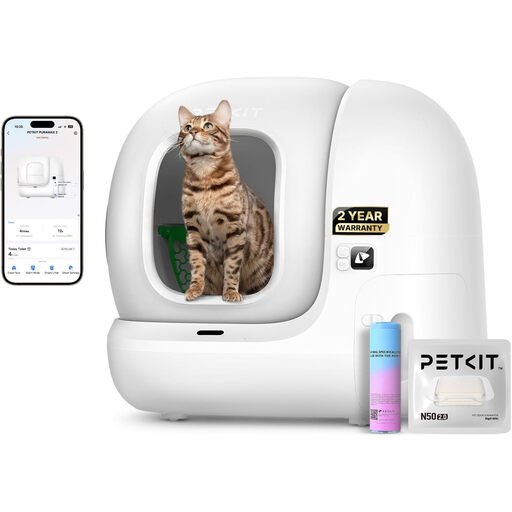
Why it's a match: Ideal for households with multiple cats or large breeds who need a reliable, app-controlled solution. The combination of a large capacity and smart features reduces daily effort to a minimum.
The XSecure safety system combines thermal, infrared, weight, and anti-pinch sensors. The Tri-Proof liner and the N50 2.0 Deodorising System directly address issues with sticking and odour formation.
Large 76L interior volume and a 7L waste bin. Compatible with common clumping litters. App-controlled litter box for remote management and health monitoring.
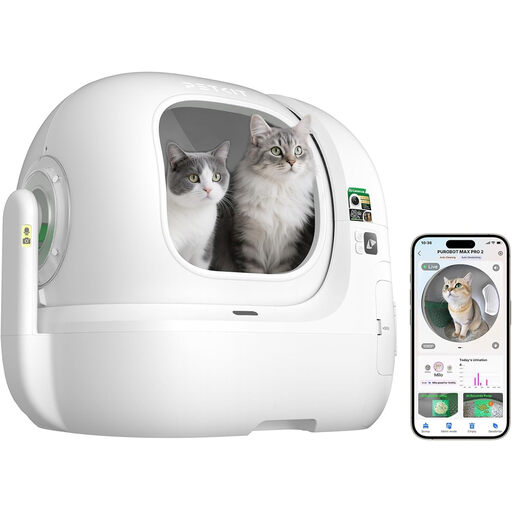
Why it's a match: For cat owners who want not only convenience but also proactive health monitoring. The integrated AI camera and sensors for analysing waste provide valuable insights into the cat's well-being.
A 12-sensor system and a patented anti-pinch structure provide a high level of safety. The triple odour elimination system, featuring N50 and N60 eliminators and a sealed container, ensures this is an effective anti-odour litter box.
AI camera with a 210° wide-angle lens and night vision. Health monitoring (urine pH, stool, meows). Dual-band Wi-Fi (2.4 & 5 GHz) for stable connectivity.
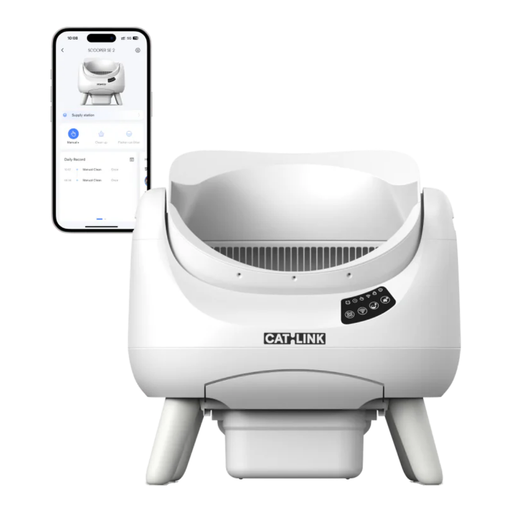
Why it's a match: Some cats avoid enclosed, hooded litter boxes. This model combines the convenience of automatic cleaning with an open-top design, which provides a more natural experience for anxious or large cats.
The 4-layer safety system ensures safe operation. The large, sealed 12L waste container provides effective odour control despite the open design. The fully washable construction simplifies maintenance.
Open-top design for a natural experience. Individual recognition and health monitoring for up to 20 cats via the app. Spacious interior, also suitable for large breeds.
We have compiled a complete, up-to-date list of products that fully meet these strict selection criteria and safety standards.
1. How long does it take for a cat to get used to a self-cleaning litter box? The acclimation period varies for each cat. It's recommended to initially set up the unit with the cleaning function deactivated, allowing the cat to accept it as a normal litter box. Adding a small amount of their old litter can help. After a few days, the automatic function can be enabled, ideally at a time when the cat won't witness the first cleaning cycle.
2. What are the ongoing costs associated with a smart litter box? Beyond the initial purchase price, there are recurring expenses. These include special waste bags, deodorising agents or cartridges, and the appropriate clumping litter. Some models require proprietary consumables, which can increase costs. It's wise to check the prices and availability of these materials before buying.
3. Is cleaning an automatic litter box complicated? A well-designed unit should be easy to maintain. Models where the drum and waste bin can be easily removed and cleaned with water have an advantage here. Pay attention to the manufacturer's information on the washability of the components. The sensors and housing should be wiped regularly with a dry cloth to maintain functionality. A deep clean should be performed every few weeks to months, depending on usage.