
Lieferung heute & morgen

Qualitätsgarantie

Willkommens-Angebote freischalten: KOSTENLOSE Lieferung | Bis zu 80 % RABATT | Kostenlose 30-Tage-JoyPlus-Testphase
App herunterladen
Cleaning the litter box daily is a chore many cat owners would gladly automate. A self-cleaning litter box promises a clean, odour-free environment with minimal effort. However, the market is filled with models whose marketing promises don't always hold up to reality. Before you make an investment, it's crucial to understand the common pitfalls that can lead to disappointment and unnecessary expense.
This guide highlights the critical features that define a functional automatic litter box and helps you distinguish high-performance models from the rest.
The idea of a permanently clean litter box is tempting, but several common flaws can make daily use difficult.
To avoid these pitfalls, you should base your decision on objective technical features. The following three parameters are crucial for functionality and everyday convenience.
The core function of any electric litter box is its cleaning mechanism. Rotating drum systems that separate clean litter from clumps are common. Check whether the system is suitable for your preferred clumping cat litter (e.g., bentonite, tofu, or mixed litters). Some models require special, often more expensive, proprietary litters (e.g., silicate crystals), which increases running costs. A good system also prevents wet litter from sticking to the inner wall of the drum and avoids clogging the sifting mechanism.
The device's dimensions are decisive for the maintenance effort. Two values are relevant here:
A modern automatic litter box is equipped with a range of sensors to ensure the cat's safety. Essential safety features include weight sensors, infrared sensors for presence detection, and a mechanical anti-pinch mechanism. These systems ensure that the cleaning cycle stops immediately if a cat approaches or enters the unit.
Additional smart features, such as an app-controlled litter box, offer further convenience. They allow for remote control, scheduling cleaning cycles, and monitoring your cat's toilet habits (frequency, duration, weight). Models with an integrated litter box with a camera even permit visual checks and can assist in health monitoring by distinguishing the behaviour of different cats.
Based on the criteria mentioned, we have identified several models suitable for different user profiles and requirements.
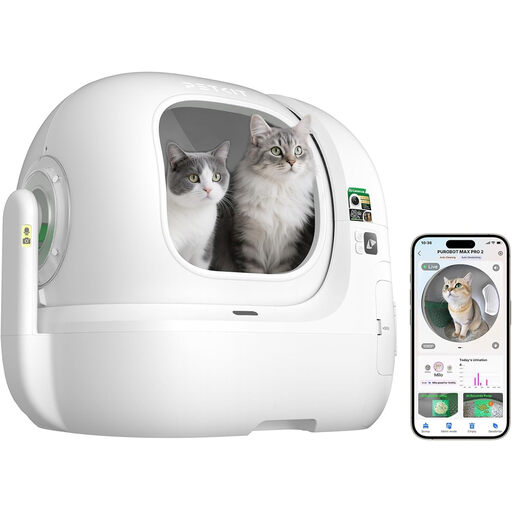
Why It's a Match: Ideal for tech-savvy owners of multiple cats who want detailed health monitoring. The AI camera can distinguish individual cats based on facial and weight characteristics, providing precise data via the app.
The triple odour control system and the sealed 8-litre waste bin effectively address the odour problem. A system of 12 safety sensors ensures high operational safety.
Integrated 210° wide-angle camera with night vision; health monitoring (e.g., urine pH value detection with special litter); dual-band Wi-Fi (2.4 & 5 GHz).
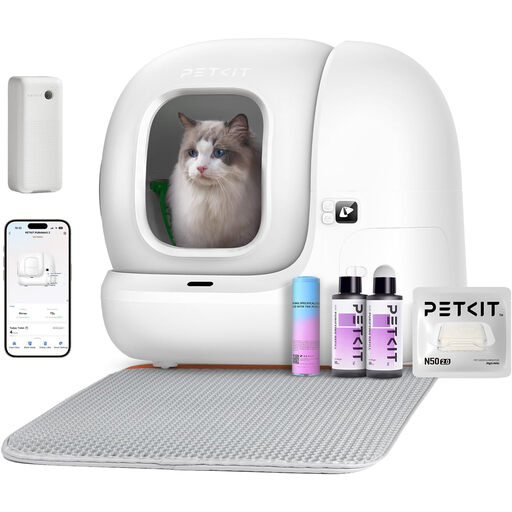
Why It's a Match: A balanced solution for cat owners who highly value convenience, hygiene, and reliability but do not require a camera function. Suitable for single and multi-cat households.
The large 76-litre interior capacity and 7-litre waste bin minimise maintenance. The design is engineered for easy disassembly and cleaning.
Comprehensive xSecure safety system; compatibility with all common types of clumping litter; app control for monitoring and cleaning modes.
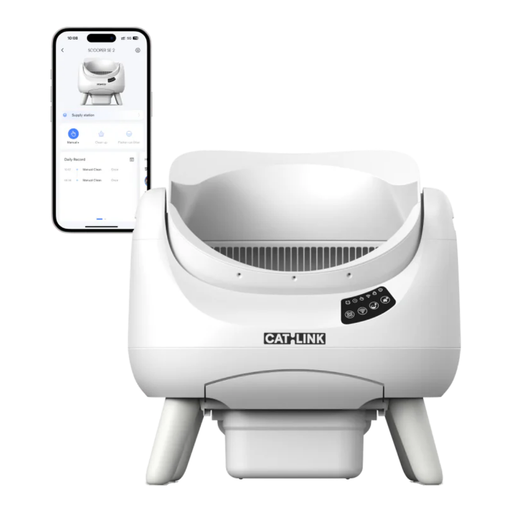
Why It's a Match: A great choice for cats that avoid enclosed, hooded litter boxes. The open-top design encourages acceptance while still offering the benefits of automatic cleaning.
The very large, 12-litre sealed waste bin solves the capacity problem and allows for long maintenance intervals. The app can individually recognise and monitor up to 20 cats.
Open-top design for natural use; 4-stage safety system; fully washable main unit for easy deep cleaning.
We've compiled a complete, up-to-date list of products that fully meet these strict selection criteria and local safety regulations.
1. What are the running costs associated with an electric litter box? The ongoing costs include electricity consumption (which is generally low), cat litter, and waste bags. Some models require special deodorant cartridges or liquids that also need regular replacement. Before purchasing, check if the device is compatible with standard clumping litter and common bin liners to control costs.
2. How long does it take for a cat to get used to a self-cleaning litter box? The acclimation period varies from cat to cat. It is recommended to initially place the new unit next to the old litter box with the cleaning function deactivated. Add some used litter from the old box to the new one to create a familiar scent. Once the cat accepts the new device, you can activate the automatic cleaning function and remove the old litter box.
3. How often does an automatic litter box need to be deep cleaned? Although the daily cleaning is automated, a regular deep clean is necessary to maintain hygiene. Depending on the model and the number of cats, the drum and waste bin should be completely emptied and cleaned with a mild detergent every 1 to 3 months. Ensure all parts are completely dry before putting the unit back into operation. Models with easily disassembled and washable components significantly simplify this process.