
Lieferung heute & morgen

Qualitätsgarantie

Willkommens-Angebote freischalten: KOSTENLOSE Lieferung | Bis zu 80 % RABATT | Kostenlose 30-Tage-JoyPlus-Testphase
App herunterladen
A self-cleaning litter box promises significant convenience for cat owners: no more daily scooping, fewer odours, and a more hygienic environment for both people and pets. However, the market is flooded with models making bold advertising claims. In practice, many devices turn out to be unreliable, difficult to maintain, or even a safety hazard for your cat.
As your Joybuy Product Recommendation Officer, I'm here to help you separate the wheat from the chaff. Instead of relying on marketing hype, we'll focus on the crucial technical features. This guide will show you the most common pitfalls and what to look for to make an informed decision.
Before you invest, you should be aware of the typical problems that only become apparent after the purchase:
To avoid these pitfalls, base your purchase decision on objective technical parameters. An automatic litter box is a complex investment where the details make all the difference.
A comprehensive safety system is non-negotiable. Look for a combination of different sensor types to ensure your cat's protection.
Such a multi-level system is especially important if you're looking for a litter box for multiple cats, as it ensures safety for animals of different sizes and weights.
Capacity specifications can be misleading. Three different measurements are important:
A smart litter box with app connectivity offers more than just remote control of the cleaning cycle. Useful features of a litter box with an app include:
Make sure the device is compatible with your Wi-Fi. Most models only support 2.4 GHz networks.
Here are some models that represent a considered choice for specific needs, based on their technical specifications.
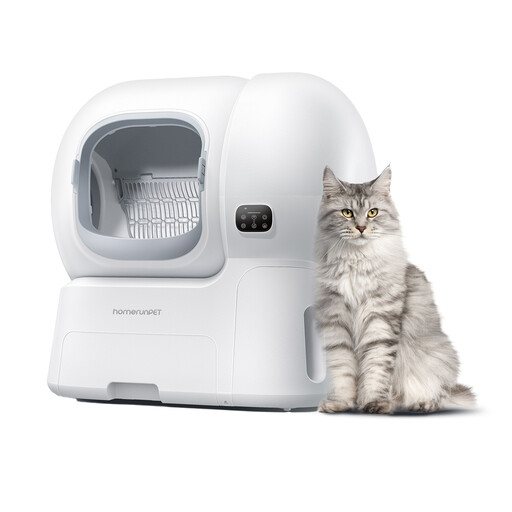
Why This Fits Their Persona: This model was specifically designed for large cats like Maine Coons or Ragdolls. With a very large interior (106L total volume), it offers enough space for cats up to 10 kg to turn around and dig comfortably.
Addresses the problem of inadequate size. While many models are too cramped for large cats, this device's enormous volume provides genuine comfort and prevents litter box avoidance.
Very Large Capacity: The 8-litre waste bin and automatic litter refill system allow for up to 14 days of use without manual intervention (for one cat).
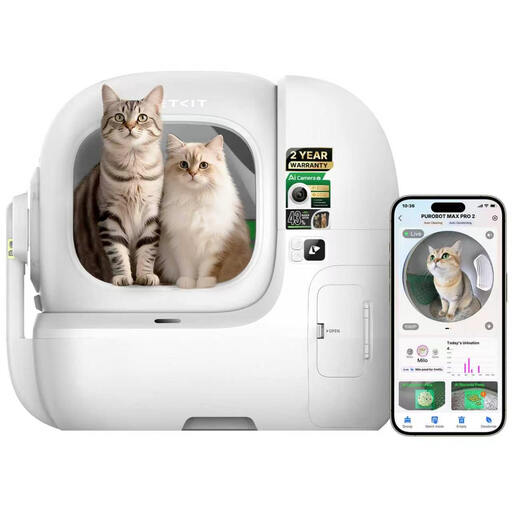
Why This Fits Their Persona: Ideal for users who want detailed insights into the health and behaviour of their cats. The integrated AI camera with facial and weight recognition allows for precise data attribution in a multi-cat household.
Solves the problem of inadequate odour control with a triple system (N60 and N50 eliminator, sealed container). Its advanced sensor array (12 sensors) also minimises safety risks.
Advanced Health Monitoring: Offers features like urine pH detection (with special litter) and meow recognition. Dual-Band Connectivity (5G & 2.4GHz) ensures a stable connection.
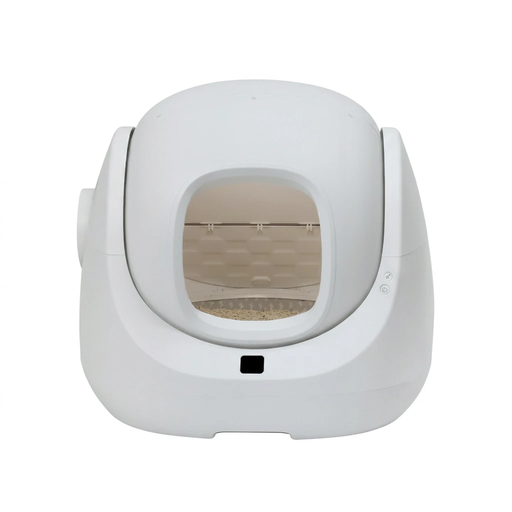
Why This Fits Their Persona: This model emphasises a robust safety system and straightforward cleaning. It's a great choice for cautious owners who value reliability and ease of use.
Directly confronts the pitfalls of safety and maintenance. The 8-stage safety system (including 4 gravity sensors and anti-pinch protection) provides redundancy. The detachable globe can be rinsed out completely, simplifying deep cleaning.
Low Entry Point: With an entry height of just 20 cm, it is easily accessible for older cats or those with limited mobility. Four Cleaning Modes (Auto, Scheduled, Manual, Empty) offer flexibility.
We have compiled a complete, up-to-date list of products that fully meet these strict selection criteria and safety regulations.
1. How do I get my cat used to a self-cleaning litter box? First, place the new unit next to the old litter box without turning it on. Let your cat explore the new device. Add some used litter from the old box to the new one to create a familiar scent. Once your cat has accepted the new box, you can remove the old one and activate the automatic mode. Be patient; the adjustment period can take anywhere from a few days to a few weeks.
2. What type of cat litter is suitable for an automatic litter box? Most self-cleaning litter boxes require a high-quality, hard-clumping cat litter. Bentonite, tofu, or mixed-material litters are generally well-suited. Non-clumping litter, silica crystals, or pellets will not work with the sifting mechanisms of most devices and can cause clogs. Always check the manufacturer's recommendations for compatible litter.
3. What are the running costs of an electric litter box? In addition to the purchase price, you should consider the ongoing costs. These include: