
Lieferung heute & morgen

Qualitätsgarantie

Willkommens-Angebote freischalten: KOSTENLOSE Lieferung | Bis zu 80 % RABATT | Kostenlose 30-Tage-JoyPlus-Testphase
App herunterladen
The daily chore of cleaning the litter box is a repetitive task that costs time and often involves unpleasant odours. A self-cleaning litter box promises a solution: better hygiene, less effort, and a consistently clean toilet for your cat. However, the market is flooded with models whose marketing promises don't always live up to reality.
As your Joybuy Product Recommendation Officer, I'm here to help you distinguish the essential features from the non-essential. This guide will show you which pitfalls to watch out for and which technical parameters truly matter for an informed purchasing decision.
Many devices advertise advanced features, but everyday use often reveals weaknesses that significantly reduce convenience. Pay close attention to these three points to avoid a poor investment:
To separate the wheat from the chaff, you should focus on objective technical features. These three core parameters are crucial for the functionality, safety, and longevity of an automatic litter box.
A comprehensive safety system is non-negotiable. Look for models that combine multiple technologies to ensure your cat's protection in every situation.
A system that combines at least three of these sensor types offers a high level of safety.
Capacity determines how often you need to intervene manually and whether the device is suitable for your household. This is especially important for an XXL litter box for multiple cats.
An odour-free litter box requires sophisticated technology. A distinction is made here between two approaches:
A smart litter box with app control also often allows you to individually adjust the intensity and timing of active odour elimination.
Here are some models tailored to the specific needs of cat owners, which thoughtfully address the pitfalls mentioned.
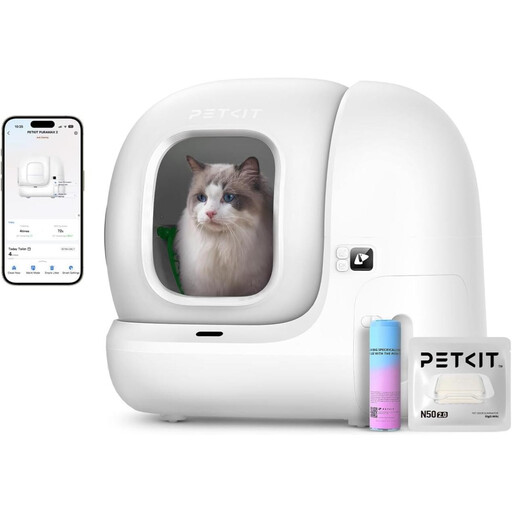
Why It's a Match: With an extra-large 76-litre interior and a 7-litre waste bin, this device is ideal for multi-cat households. The PETKIT app allows for remote control and monitoring of toilet visits, simplifying the management of multiple animals.
Addresses complicated cleaning with a special mat that prevents sticking and is easy to wash. The N50 2.0 active deodorizer system effectively neutralises odours, going beyond a simple filter.
The comprehensive xSecure safety system combines thermal, infrared, weight, and anti-pinch sensors for a high standard of protection.
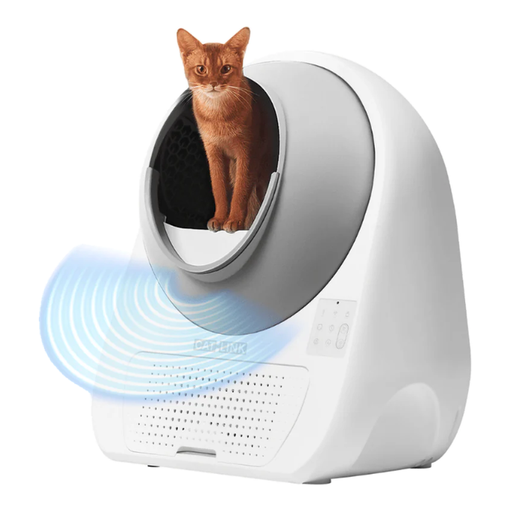
Why It's a Match: For owners who want to keep a close eye on their cat's health. The app provides detailed health monitoring, tracking weight, duration of use, and frequency, which can help detect potential irregularities early on.
Counters the safety risk with a combination of radar and infrared sensors. The 3-stage odour elimination system (UV, activated carbon, activated oxygen) offers a comprehensive solution against odours.
The app-based health monitoring provides detailed data on toilet behaviour, which can be useful for the early detection of health problems.
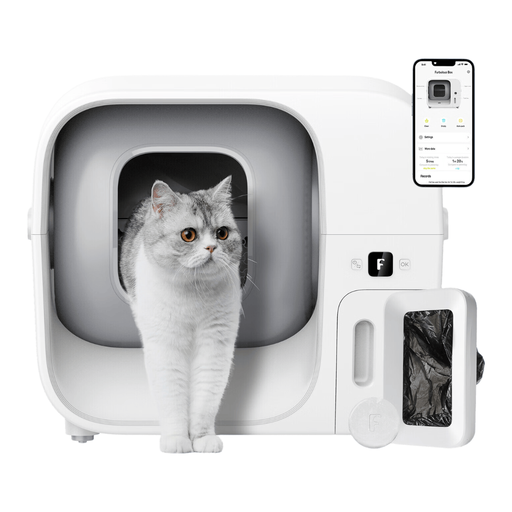
Why It's a Match: This device is aimed at users who want to completely minimise contact with cat waste. It not only automates the cleaning but also the packing and sealing of the waste bag.
Solves the problem of complicated maintenance and odour nuisance in a unique way by automatically sealing the waste bag and preparing it for disposal. This eliminates the most unpleasant part of maintenance.
The automatic packing and sealing system for the waste bag is a standout feature that offers the highest level of hygiene and convenience.
We have compiled a complete, up-to-date list of products that fully meet these strict selection criteria and safety standards.
1. What type of cat litter is suitable for an automatic litter box? Most self-cleaning litter boxes are designed for use with clumping cat litter. This includes bentonite litter, tofu litter, or mixed litter types. Non-clumping litter, silica litter, or pellets are generally not compatible, as the sifting mechanism cannot separate solid from liquid waste. Always check the manufacturer's specifications for the specific model.
2. How long does it take for a cat to get used to the new device? The acclimatisation period varies from cat to cat and can range from a few days to several weeks. It is recommended to initially place the new unit next to the old litter box with the cleaning function deactivated. Add some used litter from the old box to the new one to create a familiar scent. Once the cat accepts the new box, you can activate the automatic cleaning function, ideally with a long delay time so the cat is not startled by the process.
3. How safe are these devices for my cat? Modern, high-quality devices from established brands like PETKIT or Catlink feature multi-layered safety systems. A combination of weight, infrared, and anti-pinch sensors ensures that the cleaning cycle is immediately interrupted if a cat approaches or is inside the unit. It is still advisable to pay close attention to the exact specifications of the safety system when making your choice and to place the device on a flat, stable surface to ensure the correct functioning of the sensors. Models that are not recommended for kittens under a certain weight or age should also be used accordingly.