
Lieferung heute & morgen

Qualitätsgarantie

Willkommens-Angebote freischalten: KOSTENLOSE Lieferung | Bis zu 80 % RABATT | Kostenlose 30-Tage-JoyPlus-Testphase
App herunterladen
Cleaning the litter box daily is one of the less pleasant chores of living with cats. A self-cleaning litter box promises significant relief: better hygiene, less odour, and more time for quality moments with your pet. However, the market can be overwhelming, and not every model lives up to its promise. Certain design flaws and exaggerated marketing claims can quickly lead to a costly mistake.
This guide will help you separate the wheat from the chaff. We'll highlight the most common pitfalls and explain which technical features truly matter, so you can make an informed decision for yourself and your cat.
Before investing in an automated system, you should be aware of the potential drawbacks that can arise with budget-friendly or poorly designed models.
To avoid these pitfalls, you should focus your attention on a few objective core parameters. These determine the functionality, safety, and longevity of a self-cleaning litter box.
Most automatic litter boxes use one of two mechanisms: rake-based systems that comb through the litter, or rotating drums that separate clean litter from clumps. Rotating drums are often considered more thorough as they sift through all of the litter.
Regardless of the mechanism, waste management is crucial. Look for a completely sealed waste compartment. Its volume, often specified in litres, determines how often you need to change the bag. For a multi-cat household, a capacity of 10 litres or more is recommended to allow for emptying only every 10 to 15 days.
The design directly influences whether your cat will accept the new litter box.
A smart litter box with an app offers more than just convenience. It allows for remote control of cleaning cycles, sends notifications when the waste compartment is full, and provides valuable data.
An integrated litter box with health monitoring typically records the cat's weight and the frequency and duration of its toilet use. This data can provide early indicators of potential health changes by highlighting deviations from normal behaviour. In multi-pet households, individual recognition (often by weight) allows for separate monitoring of each cat.
Based on the criteria mentioned, we have identified products that address the specific needs of cat owners in the UK.
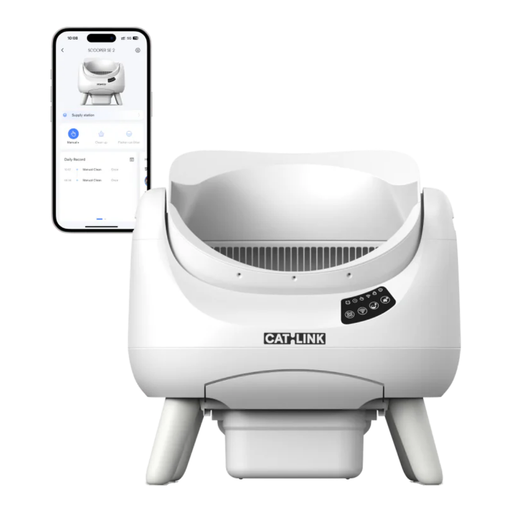
Why This Fits Their Persona: Ideal for households with multiple or large cats (up to 10 kg). The open design maximises acceptance, while the large waste compartment and app control reduce daily effort to a minimum. The health monitoring per pet is a practical tool for attentive owners.
The open design bypasses the acceptance issues of enclosed systems. The 12-litre waste compartment is sealed, effectively controlling odour. The entire unit is washable and easy to disassemble, which avoids the problem of complicated deep cleaning.
Pros: Open design for high acceptance, suitable for cats from 1.5 kg to 10 kg, individual recognition and health tracking for up to 20 cats via app, 4-stage safety system.
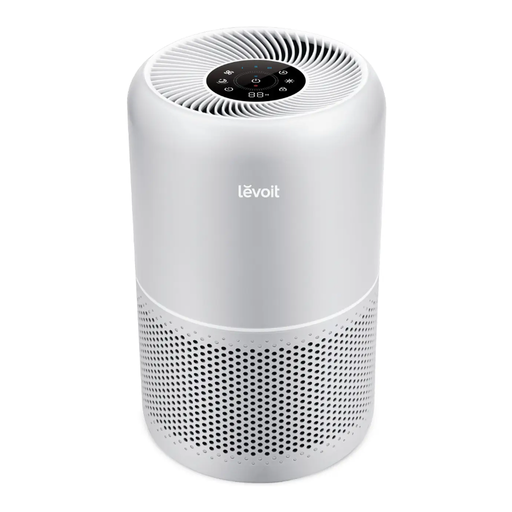
Why This Fits Their Persona: For pet owners who prioritise overall air hygiene in their home. This device complements a clean litter box by filtering fine particles like pet hair, dander, and dust from the ambient air, which is especially beneficial for allergy sufferers and odour-sensitive individuals.
Addresses the problem that even the best litter box can't solve: invisible, airborne allergens and fine dust. Instead of just focusing on the source of the odour, it improves the entire room's air quality.
Pros: 3-stage HEPA filtration system that, according to the manufacturer, captures 99.97% of particles as small as 0.3 microns. Auto mode with a laser sensor to adjust to air quality, quiet sleep mode, and control via the VeSync app.
A clean home goes beyond the litter box. Discover products that contribute to a hygienic and healthy environment for you and your pets.
Most self-cleaning litter boxes work exclusively with high-quality, hard-clumping cat litter. Non-clumping, silica-based, or overly coarse litter can block or damage the sifting mechanism. Always check the manufacturer's recommendations to ensure optimal performance.
The acclimation period varies. Some cats use the new device immediately, while others may need a few days to a few weeks. A helpful tip is to leave the old litter box next to the new one initially. Turn off the automatic cleaning mode for the first few days so the cat can explore the device without the movement and noise.
Caution is advised. Many models have a minimum weight limit for sensor activation. For example, the Catlink Open-Top model is designed for cats weighing 1.5 kg or more. Kittens that have not yet reached this weight may not be detected by the system, which poses a safety risk. Read the manufacturer's safety instructions carefully and only use the device once your cat has reached the required minimum weight.