
Lieferung heute & morgen

Qualitätsgarantie

Willkommens-Angebote freischalten: KOSTENLOSE Lieferung | Bis zu 80 % RABATT | Kostenlose 30-Tage-JoyPlus-Testphase
App herunterladen
A self-heating hot pot can be a convenient single serving for the office, while travelling, camping or after a long day at work. Activate the heating pack, add water and wait around 15 minutes. The idea is similar to an instant hot pot, but it doesn’t need a hob or, usually, electricity.
However, not every product is suited to the same purpose. Three common pitfalls can lead to the wrong purchase:
For the products featured here, the heating pack is placed in the outer container and filled with cold water up to the marked line. The ingredients go in the inner container. Depending on the product, the reaction starts after around 15 seconds; the stated heating time is usually 15 minutes.
It’s important to:
A self-heating rice pot or hot pot is therefore suited to a quick meal without a hob, but it’s no substitute for regular cooking facilities when you’re feeding several people.
An Asian ready meal may contain rice, glass noodles, vegetables, meat and a seasoning sauce. Before ordering, check for allergens such as soya, wheat and sulphites. Sauces and seasoning pastes in particular can contain several ingredients that must be declared.
Nutritional information is also a useful point of comparison. For example, the products mentioned range from 190 to 216 kcal per 100 g for certain rice bowl varieties. Hot pots with an oil-based seasoning can contain considerably more fat and salt. The figures don’t always apply to the entire portion as prepared, so it’s worth checking what they’re based on.
It’s helpful to distinguish between rice bowls and hot pots when choosing a product:
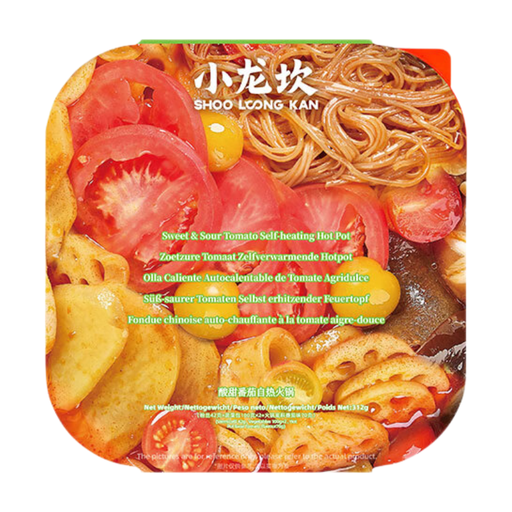
Why it suits this profile: The 312 g portion combines vegetables and glass noodles with a sweet-and-sour tomato base. It’s a straightforward introduction to self-heating ready meals.
The flavour is clearly named, and the ingredients and allergens are listed. This makes it easier to choose a product that suits your preferences.
312 g net weight, vegetables and glass noodles, plus a stated heating time of 15 minutes.
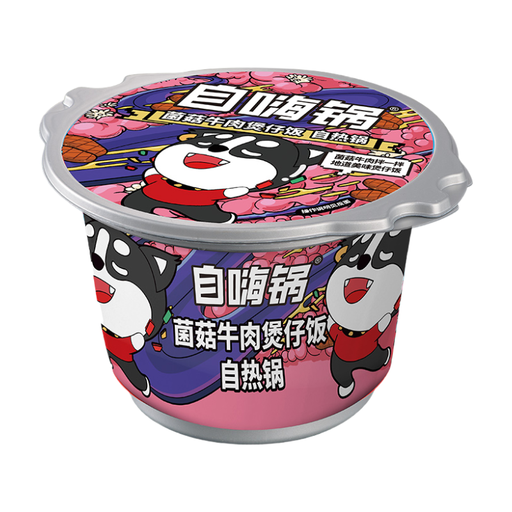
Why it suits this profile: The combination of rice, mushrooms, beef ingredients and sauce is inspired by a claypot rice dish, made for one.
The product description lists the net weight, ingredients, allergens, storage instructions and preparation method. That makes it easier to check the details before buying.
A 245 g single serving, preparation instructions using cold water, and information about soya and wheat.
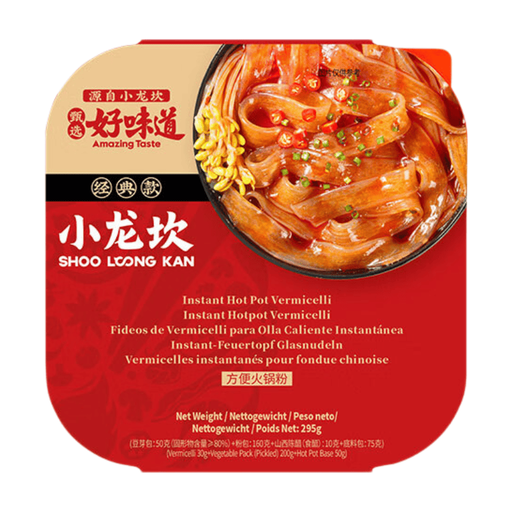
Why it suits this profile: Wide sweet potato noodles, pickled soya bean sprouts and a spicy Sichuan base make this a good choice for fans of bold flavours.
The ingredients list highlights soya, wheat, barley and sulphites. This helps frequent users check whether the product meets their dietary requirements.
295 g net weight, separate seasoning base and noodles, plus a stated heating time of 15 minutes.
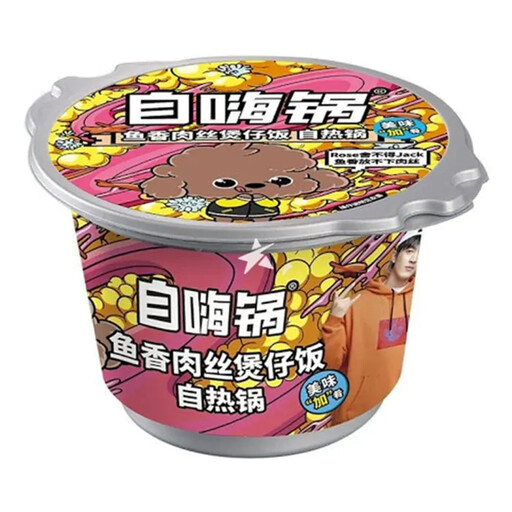
Why it suits this profile: This single serving of rice with a sweet-and-sour, savoury sauce is handy for breaks, travel or keeping in the cupboard at home.
The portion size, preparation time and storage conditions are stated. You can also adjust the amount of sauce to suit your seasoning preference.
260 g net weight, a rice portion with vegetable and seasoning ingredients, and a stated heating time of 15 minutes.
We’ve put together a complete, regularly updated list of products that meet these strict selection criteria and fully comply with the safety regulations in force in the EU.
If you’re using the product at the office or on the go, make sure you have a flat, heat-resistant surface. Place the inner bowl in the outer container only after adding the specified ingredients. Keep the lid closed while the food heats. Once you open it, stir the food thoroughly and eat it straight away.
Unopened products can be stored at room temperature, provided they’re kept somewhere cool and dry, away from direct sunlight. Check the packaging for the best-before date. Do not reheat portions that have been opened or heated.
The heating pack is activated with cold water. A chemical reaction generates heat, warming the inner container. Depending on the product, the process starts after around 15 seconds and takes about 15 minutes.
This depends on the rules of the relevant premises or transport provider. You’ll need a stable, heat-resistant surface and enough clearance from delicate surfaces. As the container gets hot and produces steam, don’t leave it unattended while it’s heating.
Unopened products are intended to keep until the best-before date printed on the packaging, provided they’re stored as directed. Once opened and heated, eat the portion straight away and don’t reheat it.