
Lieferung heute & morgen

Qualitätsgarantie

Willkommens-Angebote freischalten: KOSTENLOSE Lieferung | Bis zu 80 % RABATT | Kostenlose 30-Tage-JoyPlus-Testphase
App herunterladen
A self-heating hot pot and rice meal is designed for the office, travel, camping or a quick meal at home. Activate the heating pack, add water and enjoy a hot meal after around 15 minutes – with no hob, plug socket or extra cookware. However, products can vary significantly in their heat level, ingredients, portion weight and nutritional value.
If you focus only on claims such as ‘restaurant-style flavour’ or ‘quick to prepare’, it’s easy to overlook important details. The criteria below will help you compare a self-heating hot pot, a self-heating rice pot or a ready-made Asian meal more objectively.
The heating time only starts once the ingredients have been added correctly, the heating pack has been covered with water and the inner container is in place. Depending on the product, you may first need to take the rice, sauce, vegetables and noodles out of separate sachets. So if you’re counting on a meal in 15 minutes, allow a little time for preparation too.
A Chinese hot pot or Sichuan hot pot can be quite spicy, thanks to ingredients such as chilli oil, Pixian bean paste and Sichuan pepper. Salt levels also vary between products. For example, the product information lists around 2,000 mg of sodium per portion for the Sichuan rice dish, compared with 1,800 mg for the shiitake chicken rice dish. If you prefer milder flavours, check how much sauce is included or, if the instructions allow, use only some of the seasoning base.
A pack weighing 245 to 312 g often contains water, sauce, vegetables, noodles and the heating component in separate compartments. So a 260 g rice pot and a 312 g vegetable hot pot aren’t directly comparable in terms of rice or protein content. The key things to check are the ingredients list, portion size and nutritional information per portion.
A self-heating rice pot usually needs only cold water. Place the heating pack in the outer container and cover it with water up to the marked line. The inner container, holding the food, sits above it. According to the product information, the heating component in the products mentioned reaches at least around 80 °C.
Remember to:
Steam may escape when you open the container, so lift the lid slowly and keep it pointed away from your face.
Soya and wheat are listed allergens in many varieties. Some vegetable hot pots also contain sulphites. The ingredients list is particularly important if you have allergies, intolerances or specific dietary requirements.
These questions can help you choose:
Only assume a product is vegetarian if this is clearly stated in the product description or ingredients list.
The range includes everything from mild rice dishes to spicy ready meals with chilli oil. Sweet and sour pork, Cantonese-style chicken and shiitake rice, and vegetables in a tomato broth will appeal to different tastes. Some hot pot varieties let you adjust the amount of seasoning base. That’s useful if you’d prefer a milder or less salty meal.
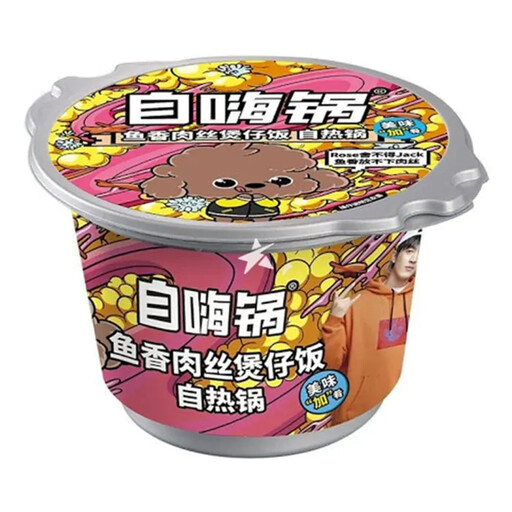
Why it suits this shopper: This single-portion rice dish comes with a sweet, sour and savoury Sichuan-inspired sauce. According to the product information, it needs no external heat source.
The ingredients and nutritional information list a net weight of 260 g, 190 kcal per 100 g, and soya and wheat as allergens.
A single portion, with rice and sauce in separate packs, and no hob needed for preparation.
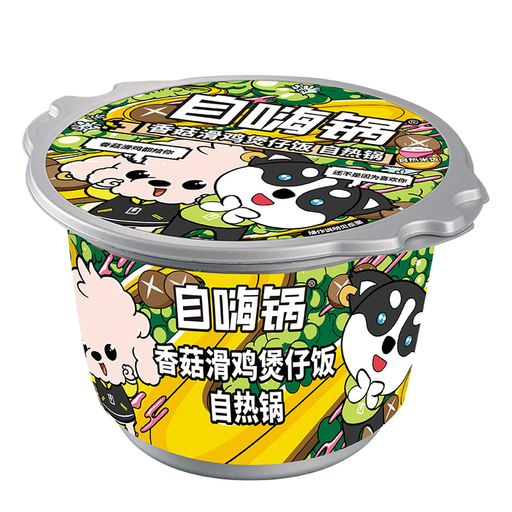
Why it suits this shopper: Chicken, shiitake mushrooms and rice make for a distinctive combination of ingredients in a Cantonese-inspired claypot rice dish.
The product information lists a net weight of 260 g, 15 g of protein per portion, and soya and wheat as allergens.
Marinated chicken, shiitake mushrooms and rice, prepared with a heating pack and no electricity or cookware.
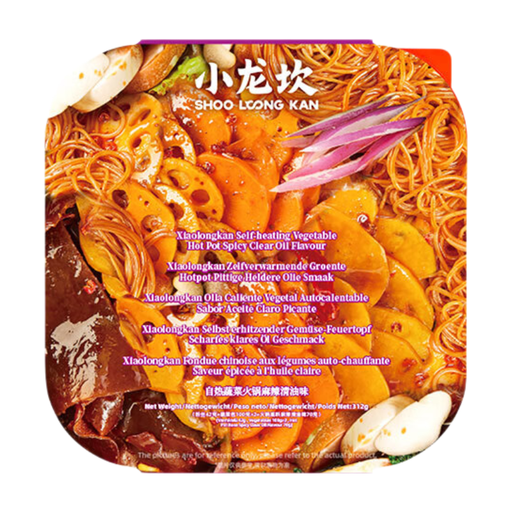
Why it suits this shopper: This 312 g portion contains glass noodles, potatoes, carrot, lotus root and other vegetables. It’s designed for the office, travel or outdoor activities.
The ingredients, allergens and nutritional information are clearly listed. Preparation instructions cover the water level, 15-minute heating time and how to handle steam.
A combination of vegetarian ingredients according to the product description, a net weight of 312 g and a spicy sesame oil base.
We’ve put together a complete, regularly updated list of products that meet these strict selection criteria and fully comply with the safety regulations in force in the EU.
Before use, check that the packaging is undamaged and look at the best-before date. Most products should be stored in a cool, dry place away from direct sunlight. Once opened, the meal should be heated and eaten straight away. Reheating is specifically not recommended for several varieties.
If you’re taking one with you, use a stable, level surface. Don’t move the packaging while it’s heating. After eating, dispose of the used heating pack with general waste, in line with local disposal guidance, unless the packaging says otherwise.
The heating pack reacts with water to generate heat. The food sits in a separate inner container. Depending on the product, you’ll need to add cold water to the heating chamber and water to the ingredients as well. The meal will be hot after around 15 minutes.
Yes, as long as you have a level, heat-resistant surface and enough water. According to the product information, you don’t need electricity, a hob or extra cookware. There’s still a risk of steam and burns, so follow all the instructions carefully.
The specific best-before date is printed on the packaging. Unopened products are usually stored in a cool, dry place at room temperature or below. Once opened, they should be prepared and eaten straight away. Always follow the information on the individual product.