
Lieferung heute & morgen

Qualitätsgarantie

Willkommens-Angebote freischalten: KOSTENLOSE Lieferung | Bis zu 80 % RABATT | Kostenlose 30-Tage-JoyPlus-Testphase
App herunterladen
The right self-tan can make it easy to add a sun-kissed complexion to your skincare routine without prolonged UV exposure. However, self-tanning mousse, self-tanning lotion, face tanning serum and tanning oil differ considerably in how they’re applied, the results they deliver and the protection they offer.
If you choose a product based only on its shade or an attractive marketing claim, you could miss important details. Here are three common pitfalls to watch out for:
A face self-tan should have a texture and dosage designed for use on the face. Face tanning serum can usually be mixed drop by drop with a moisturiser, making it easy to build up the colour gradually. For your body, self-tanning foam, self-tanning mousse and self-tanning lotion are practical options, as they’re easy to spread over larger areas.
A gel or lotion with an instant tint can make application easier by showing you where you’ve applied it. However, the colour you see on your skin may not match the final developed result. Be sure to follow the manufacturer’s instructions on how long to leave the product on.
Dihydroxyacetone, or DHA, is a common ingredient in self-tanning products. Depending on the formula, the colour develops over several hours. If you have sensitive skin, do a patch test before applying the product all over, and check the ingredients list for fragrance or other ingredients that may be relevant to you.
‘Vegan’ and ‘cruelty-free’ aren’t automatically standardised quality labels for every product claim. It’s worth checking the specific information provided by the manufacturer. If you’re sensitive to fragrance, a fragrance-free product may be a better choice.
A product with SPF 15 or SPF 30 is different from a self-tan without UV filters. SPF indicates the stated level of sun protection under the recommended conditions of use; it doesn’t tell you how deep the tan will be. An oil with SPF 0, such as Hawaiian Tropic Tropical Tanning Oil, contains no sun protection according to the product information.
‘Water-resistant’ shouldn’t be taken to mean that you never need to reapply. For sun care, check the product’s water-resistance claims and reapplication instructions. And with self-tan, a visible tint doesn’t mean your skin is protected in water or in sunlight.
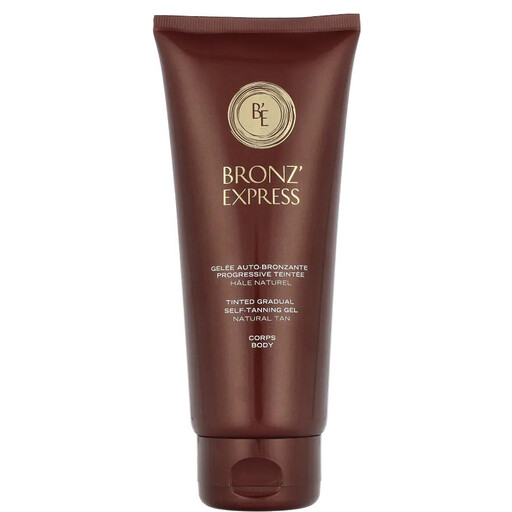
Why it suits this profile: The tinted gel makes it easier to see where you’ve applied it. According to the product information, it’s designed for gradual use over several days.
The tint can help you spot unevenly applied areas before the product dries. According to the product information, it contains no sun protection.
200 ml, gel texture and application with a mitt, according to the product description.
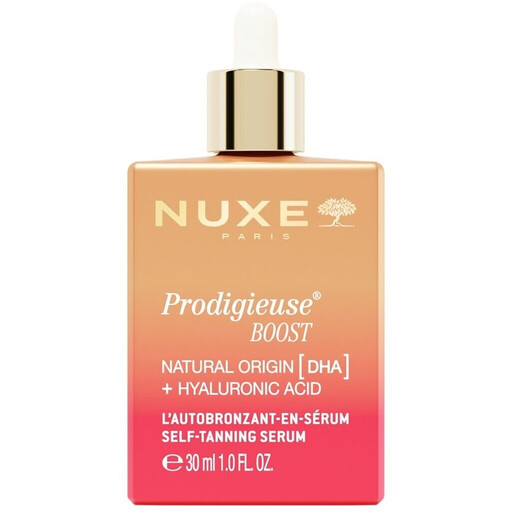
Why it suits this profile: This face serum is designed for the face and neck. According to the product information, you can use it on its own or with your daytime moisturiser.
The drop-by-drop dosage lets you build up your tan gradually. According to the product information, it contains no sun protection, so you’ll need to use a suitable sunscreen during the day.
DHA and erythrulose; the manufacturer recommends using three to a maximum of 15 drops; 30 ml.
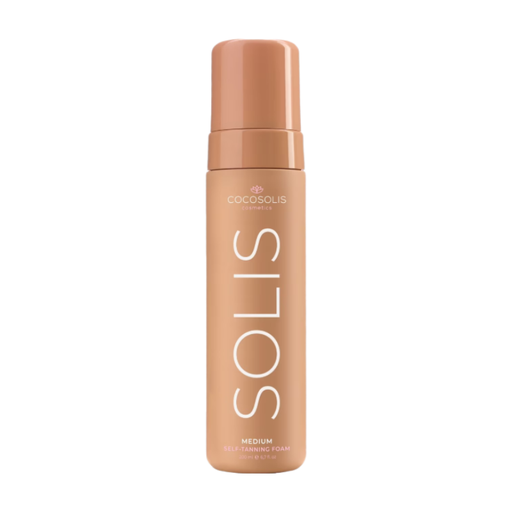
Why it suits this profile: According to the product description, this mousse is suitable for the face and body and is vegan and cruelty-free.
The medium shade and guidance that the colour takes around eight hours to develop make it easier to plan your application. Avoid water during this time.
Foam texture, 200 ml, and product information stating that it’s vegan and cruelty-free.
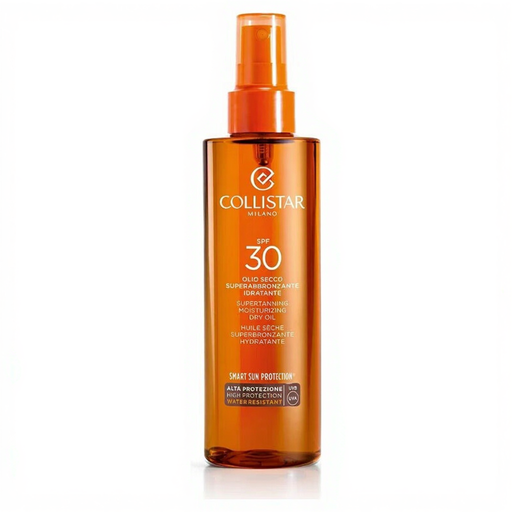
Why it suits this profile: This tanning oil isn’t a traditional self-tan; it’s a sun oil for the face and body with a stated SPF 30.
The SPF is clearly stated. However, the instructions still recommend applying generously, reapplying and avoiding intense midday sun.
SPF 30, 200 ml, and suitable for the face and body according to the product information.
We’ve put together a complete, regularly updated list of products that meet these strict selection criteria and fully comply with the safety regulations in force in the EU.
Applying self-tan more often won’t make it develop faster. To build your tan gradually, wait for the colour to develop before applying another thin layer.
No. An artificial tint doesn’t provide adequate UV protection. Products without a stated SPF won’t protect you from sunburn. If you’re going out in the sun, you’ll need a separate sunscreen with a suitable SPF.
How long the visible result lasts depends on factors including the product type, your skincare routine, showering and friction from clothing. As the top layer of skin renews itself regularly, the tint usually fades gradually. For an even result, you may want to apply another thin layer as directed by the manufacturer.
Self-tanning lotion can be applied slowly and spread over larger areas. Self-tanning mousse is often easier to apply to larger areas of the body and may dry more quickly, depending on the formula. For your face, face tanning serum or a specially formulated face lotion is usually easier to dose than a body product.