
Lieferung heute & morgen

Qualitätsgarantie

Willkommens-Angebote freischalten: KOSTENLOSE Lieferung | Bis zu 80 % RABATT | Kostenlose 30-Tage-JoyPlus-Testphase
App herunterladen
A self-tanner can give your skin an even, sun-kissed look without deliberately exposing it to UV radiation. However, not every product suits every skin type or purpose. Face self-tanners, tanning serums, tanning mousses, lotions and tanning oils differ considerably in texture, how their colour develops and how they feel on your skin.
If you focus only on achieving a particularly quick or intense tan, it’s easy to overlook important details. Here are three common buying mistakes:
Most traditional self-tanners contain dihydroxyacetone (DHA). This reacts with the outermost layer of skin, and the colour doesn’t necessarily appear straight away. Depending on the product, it can take several hours to develop. Erythrulose is also commonly used and is combined with DHA in some formulations.
For a sun-free facial tan, products that build colour gradually are often easier to control. For example, you can mix a few drops of tanning serum into your daily face cream. A body mousse, on the other hand, is suited to larger areas and can be applied with a tanning mitt.
The product format affects how you apply it:
Check the stated area of use. A body product isn’t necessarily designed for the eye area or face.
For dry skin, ingredients such as glycerin, hyaluronic acid, panthenol or plant oils can help provide the skincare benefits you’re looking for. If your skin doesn’t tolerate fragrance well, look for a fragrance-free or low-fragrance option.
A suncare oil with SPF has a different purpose from a self-tanner. Its SPF must be clearly stated, for example, SPF 15, SPF 30 or SPF 50. Products with SPF 0 or no stated sun protection won’t protect you from UV radiation. Even if your self-tanner gives you a visible tan, you’ll still need to use a suitable sun cream during the day.
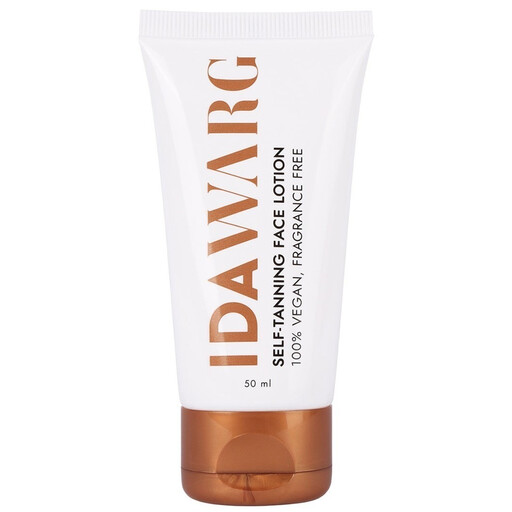
Why it suits this profile: This face lotion is designed to develop colour gradually and contains glycerin. It’s easy to work into a simple skincare routine for the face and neck.
This isn’t an instant bronzer, so you can apply it as part of a controlled routine. The product information also states that it doesn’t provide sun protection.
Described as vegan; 50 ml; fragrance-free formula according to the supplier.
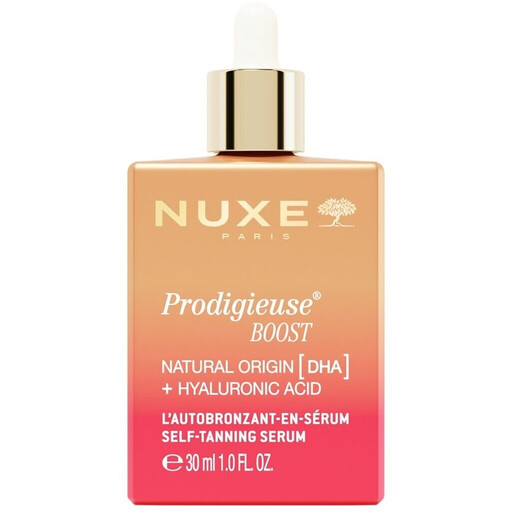
Why it suits this profile: This self-tanning serum is designed for the face and neck. According to the product information, you can adjust the number of drops to achieve a lighter or more intense result.
You don’t have to rely solely on an intense instant tint to control the colour. The product description states that it doesn’t contain sun protection, so it’s clear that you’ll need to use a daytime moisturiser with SPF as well.
DHA and erythrulose; hyaluronic acid and glycerin; 30 ml for drop-by-drop application.
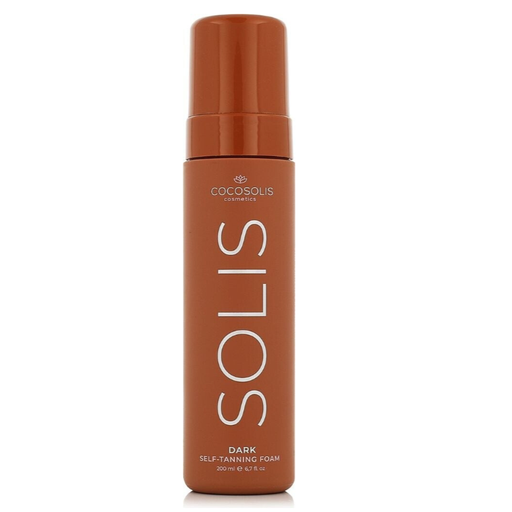
Why it suits this profile: This self-tanning mousse is designed for the body and comes in a generous 200 ml size. Applying it with a tanning mitt helps you spread it evenly over larger areas.
The product information recommends leaving it on for around 6 to 8 hours and avoiding water during this time. This makes it easier to plan your application than with a product whose instant colour is less predictable.
200 ml; described as vegan and cruelty-free; designed to deepen gradually after 24 hours.
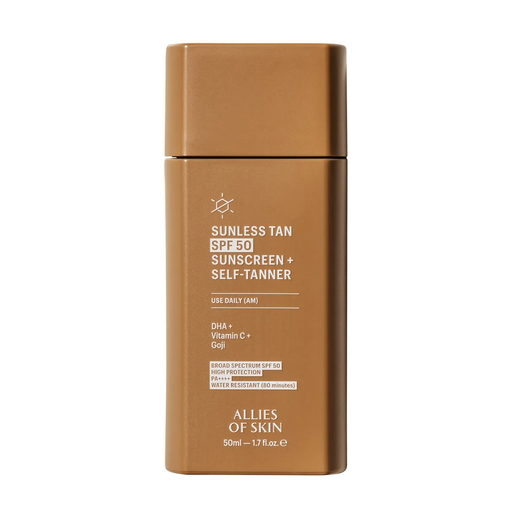
Why it suits this profile: According to the product description, this face cream combines DHA with SPF 50 and PA++++. It’s aimed at anyone looking for a daily face cream that gradually adds a tint while providing stated UV protection.
The product information states that it provides both a self-tan and UV protection, rather than treating them as entirely separate functions. The instructions also recommend reapplying regularly.
SPF 50 and PA++++ according to the product information; DHA; 50 ml; for use on the face.
We’ve put together a complete, regularly updated list of products that meet these strict selection criteria and fully comply with the safety regulations in force in the EU.
How long it lasts depends on the product, skin renewal, cleansing and moisturising. The colour usually fades gradually rather than disappearing all at once. Regularly moisturising can help it fade more evenly. Follow the instructions on the packaging for how often to apply the product.
It depends on the formulation. A product specifically designed for the face may be suitable for daily, two-to-three-day or weekly use, depending on the instructions. Before applying it fully for the first time, it’s a good idea to test it on a small area of skin. Stop using it if you experience redness, stinging or persistent irritation.
A bronzer usually gives you an instant cosmetic tint that washes off when you cleanse your skin. A DHA self-tanner develops colour gradually in the outermost layer of skin. Some products combine both approaches, so check the product description and instructions carefully.